Introduction to Structural Timber Frame
The construction industry has evolved significantly over the years, marking a shift towards sustainable and efficient building techniques. One such method gaining traction is the Structural Timber Frame system. This technique harnesses the natural strength of timber to create durable, flexible, and aesthetically pleasing structures. In this comprehensive guide, we will explore the intricacies of Structural Timber Frame, from its defining characteristics to its long-term benefits for homeowners and builders alike.
What Is Structural Timber Frame?
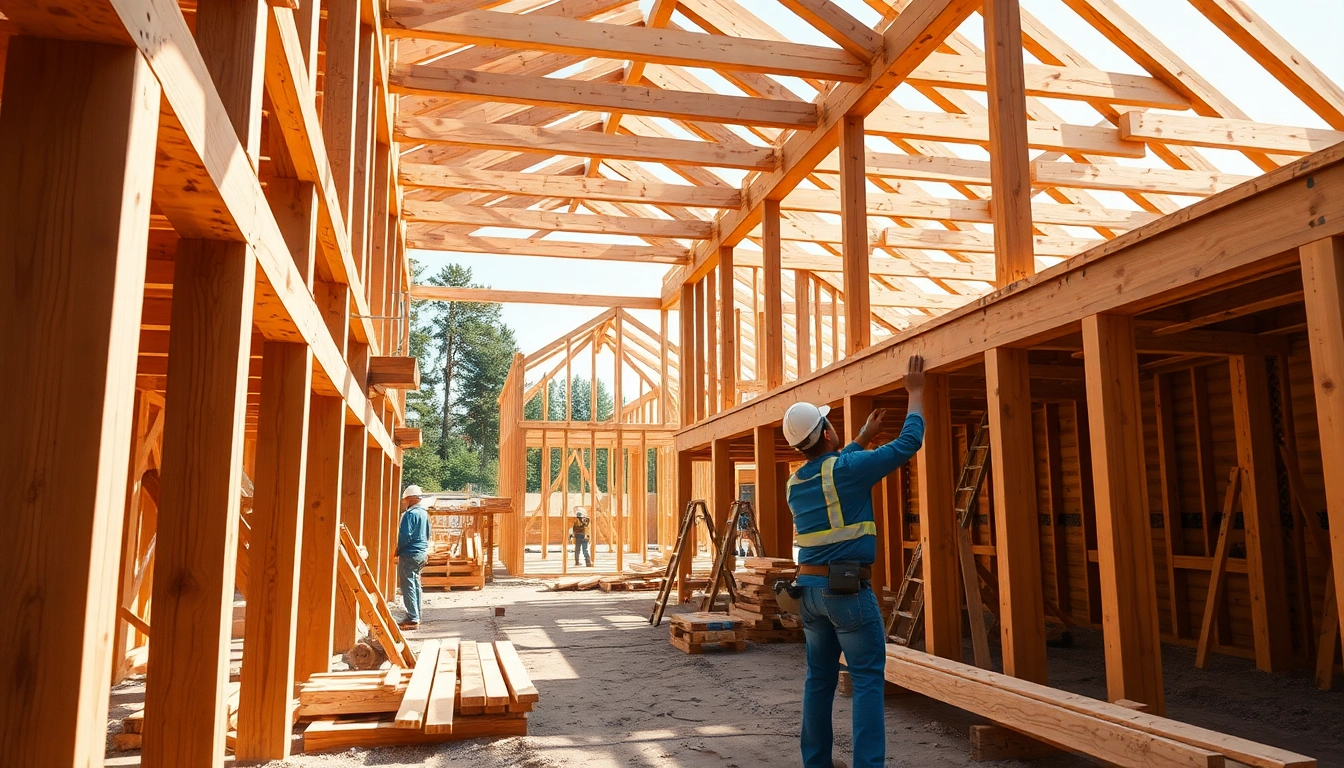
Structural Timber Frame refers to construction systems that utilize timber as the main load-bearing material. This approach is characterized by the framework of wooden posts, beams, and panels that form the building’s skeleton. The structural integrity of these frames enables the construction of multi-story buildings, residential homes, and commercial properties while maintaining aesthetic flexibility.
The primary advantage of a Structural Timber Frame is its ability to support loads effectively. By distributing weight across a framework, it allows for large open spaces without the need for excessive internal support columns. This can result in more usable square footage and design versatility.
Benefits of Structural Timber Frame
Choosing a Structural Timber Frame system provides numerous benefits:
- Sustainability: Timber is a renewable resource, and when sourced responsibly, it has a lower carbon footprint than many traditional building materials.
- Speed of Construction: Timber frames can be prefabricated off-site, leading to quicker assembly and reduced build times.
- Versatile Design Options: The aesthetic appeal of timber allows for various design styles, from rustic charm to modern minimalism.
- Energy Efficiency: Timber has inherent insulation properties, leading to better energy efficiency in buildings, resulting in lower heating and cooling costs.
- Durability: With proper treatment and maintenance, timber frames can endure for decades, showcasing strength and resilience against environmental factors.
Key Components of Structural Timber Frame
Understanding the components of a Structural Timber Frame is crucial for both design and construction phases:
- Timber Studs: Vertical members that form the primary support framework.
- Beams: Horizontal members that provide structural support and stability.
- Panels: Used for infilling the frame, these can be solid timber or composite panels that offer insulation and weather resistance.
- Connectors and Fasteners: Essential for joining different components securely, they ensure the overall stability of the frame.
- Sheathing: This material is placed over the frame before external cladding, enhancing insulation and providing structural rigidity.
Designing with Structural Timber Frame
Effective design plays a pivotal role in optimizing the benefits of a Structural Timber Frame. From architectural considerations to eco-friendly practices, the design phase reveals the potential of timber construction.
Architectural Considerations
Architects must carefully consider various factors when designing buildings with timber frames. The choice of timber can impact the building’s strength, appearance, and performance. Designers should be aware of:
- Load Requirements: Analyzing the expected loads a structure will bear helps in choosing the right frame configuration.
- Spatial Design: Timber frames allow for creative design solutions; architects can create unique shapes and indoor layouts.
- Aesthetic Appeal: The natural beauty of timber adds warmth and character, permitting a range of finishing styles from modern to traditional.
Layout and Space Planning
When planning the layout of a timber-framed building, it is crucial to maximize natural light and ventilation. Here are valuable tips for optimal space planning:
- Prioritize Open Spaces: Maximize interior space by minimizing the number of load-bearing internal walls.
- Incorporate Large Windows: Use expansive windows or glass doors to enhance the light and openness of the interior.
- Flexible Room Configurations: Design adaptable spaces that can serve multiple purposes, contributing to functional flexibility.
Eco-friendly Design Practices
Emphasizing sustainability in design can enhance the environmental benefits of using Structural Timber Frame. Some eco-friendly approaches include:
- Using Reclaimed Timber: Sourcing reclaimed or salvaged timber reduces waste and demands for new materials.
- Incorporating Green Roofs: Living roofs improve insulation and promote biodiversity while enhancing the building’s ecological footprint.
- Energy-efficient Systems: Integrating solar panels and efficient HVAC systems supports environmental conservation and reduces energy costs.
Construction Techniques for Structural Timber Frame
The construction techniques employed in a Structural Timber Frame project can significantly affect quality, efficiency, and safety. Careful execution of each step is essential for successful outcomes.
Construction Methods Explained
There are primarily two main construction methods for building timber frames:
- Traditional Framing: Involves on-site assembly of timber components, allowing for adjustments as construction progresses.
- Panelized System: Prefabricated panels are manufactured off-site, enabling rapid assembly and consistent quality control.
Both methods can achieve excellent results, but they may cater to different project requirements, timelines, and budgets.
Tools and Equipment Needed
To successfully execute a Structural Timber Frame construction project, a variety of tools and equipment are essential. These may include:
- Power Saws: For cutting timber accurately.
- Drills: Essential for joining components securely.
- Nail Guns: For rapid assembly, ensuring strong connections.
- Measuring Tools: Precision is vital; levels and measuring tapes help achieve accurate dimensions.
- Safety Gear: Helmets, gloves, and goggles are crucial to ensure worker safety on-site.
Safety Practices in Construction
Ensuring safety on a timber framing construction site is paramount. Safety practices should include:
- Training: Workers should be trained on correctly using tools and understanding safety protocols.
- Site Inspections: Regular inspections can identify potential hazards and mitigate risks before they cause accidents.
- Personal Protective Equipment: Enforcing the use of safety gear can reduce injuries effectively.
Maintenance and Longevity of Structural Timber Frame
To maximize the lifespan and performance of a timber frame structure, proper maintenance is critical. Regularly addressing care needs will enhance the durability of your building.
Routine Maintenance Guidelines
Routine maintenance tasks include:
- Periodic Inspections: Check for signs of damage or decay regularly.
- Cleaning: Remove dirt, debris, and any mold formations from the wood surfaces.
- Protective Coatings: Apply sealants or protective paints to prevent moisture penetration.
Common Issues and Solutions
Addressing common issues timely can save resources and extend the life of the timber frame:
- Moisture Damage: Ensure that frames remain dry and well-ventilated to prevent rot.
- Pest Infestations: Utilize pest control measures, such as treated timber or barriers for prevention.
- Warping or Cracking: Maintain stable humidity levels indoors and ensure proper ventilation.
Enhancing Durability of Timber Frames
To further enhance the durability of timber frames, consider these best practices:
- Use Preservative Treatments: Treatments can protect against pests, fungi, and moisture damage.
- Implement Proper Drainage: Ensure effective drainage systems to prevent water accumulation around the structure.
- Ventilation: Proper ventilation in both interior and exterior spaces avoids moisture build-up which could lead to decay.
FAQs About Structural Timber Frame
What are the cost benefits of Structural Timber Frame?
Using Structural Timber Frame can result in lower construction costs due to reduced labor time, energy efficiency in heating and cooling, and fewer materials needed for framing compared to traditional methods.
How does Structural Timber Frame compare to steel?
While steel frames are strong and durable, Structural Timber Frame offers greater design flexibility, a lower carbon footprint, and better thermal insulation properties, making it a popular choice for eco-conscious builders.
Can timber frames be used in all climates?
Timber frames can be adapted for various climates through treatments and design modifications. However, specific considerations are necessary in extreme weather conditions to ensure durability and structural integrity.
What are the environmental impacts of using timber?
Sourced from sustainable forests, timber has a lower carbon footprint compared to concrete or steel. Responsible harvesting practices, replanting, and energy-efficient production assist in reducing environmental impacts.
How long does a timber frame last?
With proper maintenance and treatment, a timber frame can last several decades, often more than 50 years. Maintenance strategies are crucial for longevity and performance.