Understanding Used Engines
What Are Used Engines?
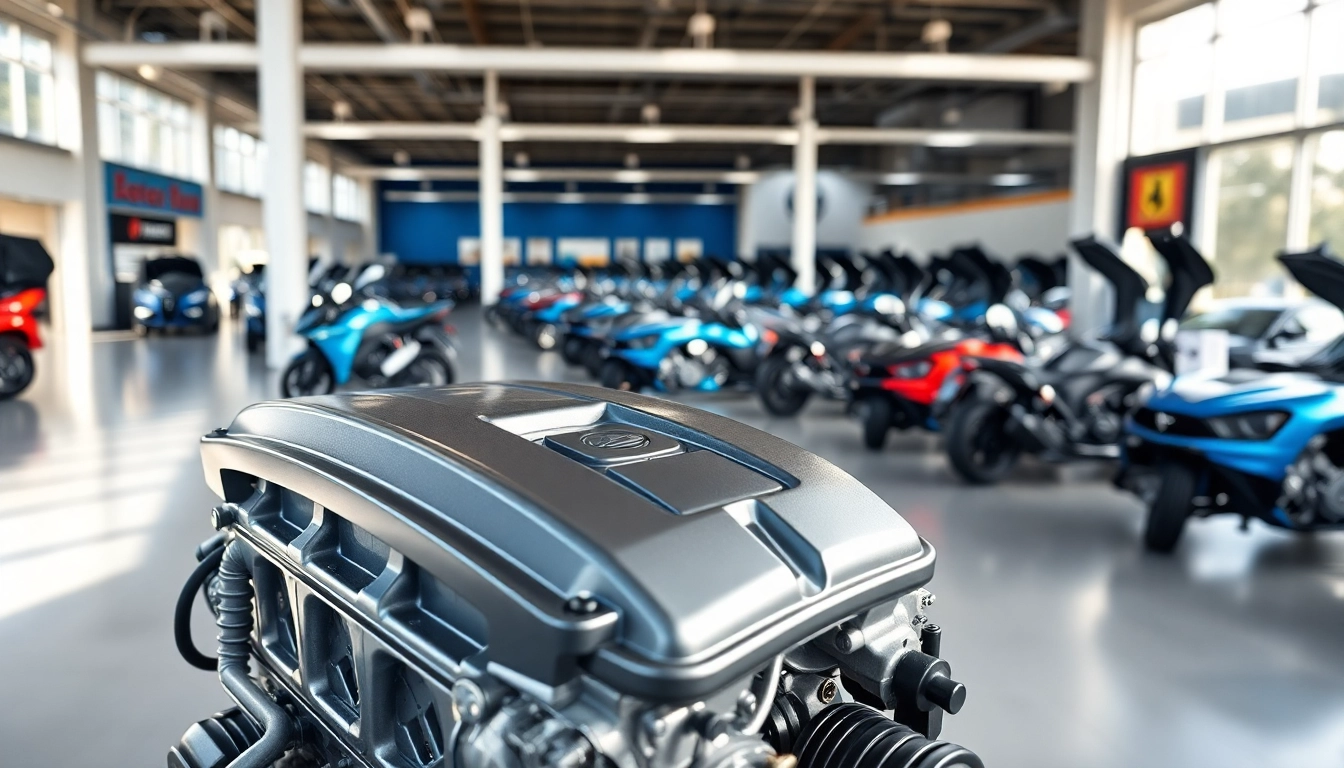
Used engines refer to pre-owned internal combustion engines that have been removed from vehicles for various reasons, such as upgrades, repairs, or simply because the vehicle has reached the end of its life. These engines can be sourced from vehicle salvage yards, dealerships, or specialized suppliers who focus on reconditioned and reliable used engines. A wide array of engine types is available, ranging from compact engines used in economy cars to high-performance engines suitable for sports cars or trucks.
Benefits of Used Engines
Choosing used engines can offer significant advantages:
- Cost-Effective: Used engines typically cost less than new engines, making it a budget-friendly option for repairs or upgrades.
- Environmental Impact: Utilizing a used engine contributes to sustainability as it reduces waste and the demand for new manufacturing.
- Availability: Some vintage or rare models may only be available as used engines, adding to your vehicle’s authenticity.
- Flexible Options: Many used engines come from well-maintained cars, meaning they can offer reliable performance without the new engine price tag.
Common Misconceptions About Used Engines
Despite the numerous benefits, several misconceptions about used engines can deter potential buyers:
- All Used Engines Are Unreliable: Not all used engines are bad; many come with warranties and thorough inspections.
- They’re Only Suitable for Older Cars: Used engines are available for newer models too, providing cost-effective solutions to maintain modern vehicles.
- Installation is Always Complicated: While some installations may require professional help, many owners can handle straightforward swaps with guidance.
- Used Engines Don’t Last: With proper care and maintenance, used engines can perform well for years, often matching the lifespan of new engines.
Factors to Consider When Purchasing Used Engines
Engine Condition and History
Before purchasing a used engine, understanding its condition and history is crucial. It’s advisable to request a comprehensive report detailing the engine’s maintenance history, any previous repairs, and performance metrics. Having a mechanic conduct an inspection can also help ascertain whether the engine shows signs of wear and tear, such as oil leaks, rust, or unusual noises.
Compatibility with Your Vehicle
Compatibility is pivotal when buying a used engine. Factors to consider include the engine’s make, model, year, and specifications. An incompatible engine can lead to performance issues or even damage your vehicle. Verify with your vehicle’s manual or engine experts to ensure that the engine fits your specific model.
Price and Warranty Options
Pricing for used engines can vary widely based on several factors such as the engine’s make, condition, and demand. Ascertain a fair price by researching market values and comparing quotes from several sources. Additionally, inquire about warranty options, which can provide peace of mind. A warranty covering parts and labor can shield buyers from unexpected expenses should the engine fail prematurely.
Finding Reputable Dealers for Used Engines
Identifying Trusted Sources
Finding reliable dealers is key to ensuring you receive a quality used engine. Seek out dealers who offer transparency about their inventory and provide detailed information on their engines. Check online reviews and testimonials to gauge other customers’ experiences. References from trusted friends or family can also guide your search.
Online vs. Local Dealers
Both online and local dealers have unique pros and cons. Online dealers may offer a broader selection and potentially lower prices; however, it’s vital to conduct thorough research to assess the dealer’s credibility. Local dealers often provide the benefit of in-person inspections and support, making it easier to verify the engine’s condition.
Red Flags to Watch Out For
When shopping for used engines, be on the lookout for warning signs. These can include:
- Lack of Documentation: Trustworthy dealers should provide reports of the engine’s history, including maintenance and repairs.
- Inexplicably Low Prices: While deals happen, persistently low prices can indicate problems with the engine.
- Poor Communication: If a dealer is evasive or hesitates to answer questions, consider it a red flag regarding their trustworthiness.
- No Warranty: If a dealer does not offer a warranty or guarantee on their engines, it could signal lower quality standards.
Installation and Maintenance of Used Engines
Professional Installation Tips
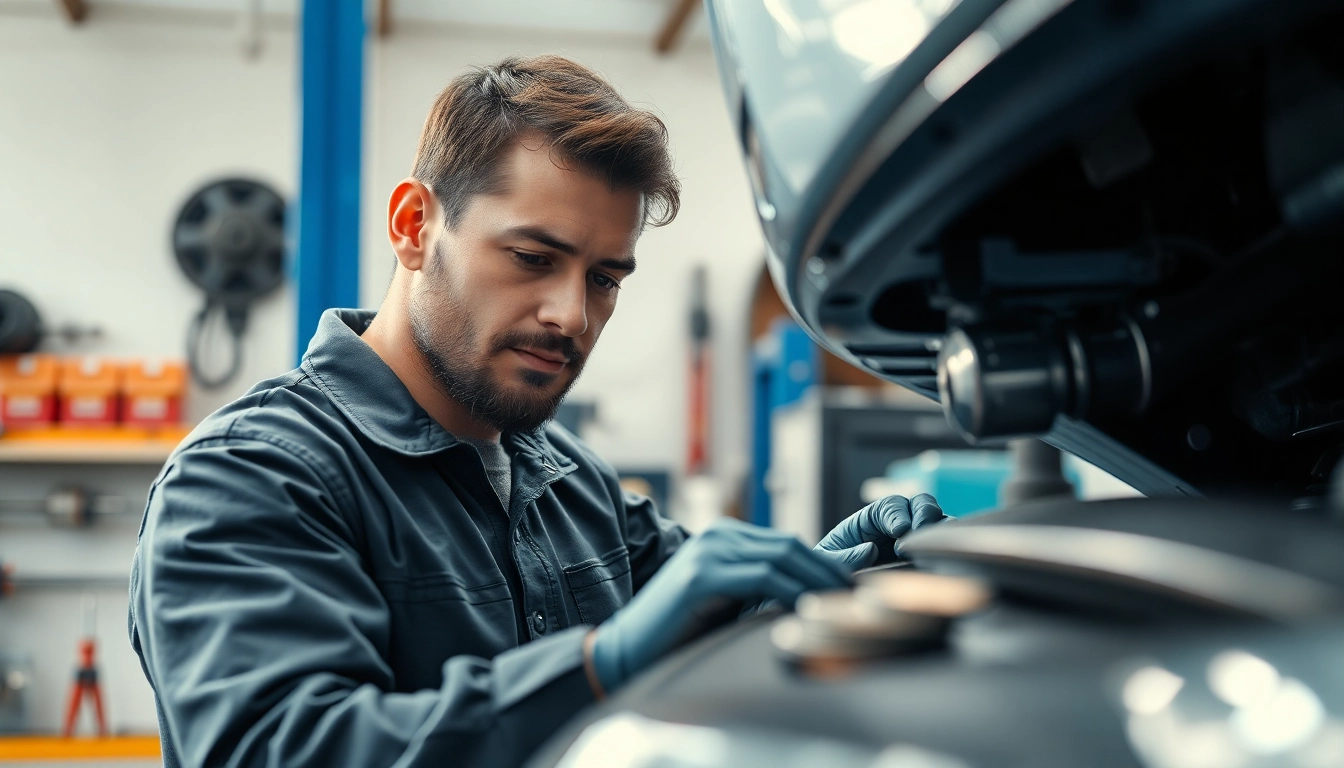
Installing used engines requires skill and attention to detail. If you’re not experienced, hiring a professional mechanic is advised. A professional can ensure all vital systems function correctly after installation and minimize the risk of future issues. If you choose to proceed with the installation personally, follow these steps:
- Gather all necessary tools and parts before starting the installation.
- Carefully document the disassembly process to help with reinstallation.
- Use a torque wrench to apply the specified torque to bolts and fasteners.
- Double-check connections and fluid levels before starting the engine.
Basic Maintenance Practices
Regular maintenance is crucial to maximize the longevity of your used engine. Basic practices include:
- Changing engine oil and filters routinely to ensure optimal performance.
- Monitoring coolant levels and flushing the cooling system periodically.
- Regularly checking belts and hoses for signs of wear and replacing them as needed.
- Conducting frequent inspections for oil leaks or unusual noises.
Signs Your Used Engine Needs Attention
Being attentive to your used engine’s performance can help you catch issues early. Signs needing immediate attention include:
- Unexpected engine noises, such as knocking or tapping sounds.
- Decreased fuel efficiency; this can indicate underlying engine problems.
- Visible smoke from the exhaust pipe, which may signify burning oil or coolant.
- Warning lights on the dashboard, indicating a need for professional diagnostics.
Ensuring Optimal Performance After Purchase
Performance Upgrades for Used Engines
Once you’ve installed your used engine, consider potential performance upgrades. Common upgrades include:
- Aftermarket Air Filters: Enhancing airflow can improve engine efficiency and response.
- High-Performance Exhaust Systems: Upgrading the exhaust can boost horsepower and improve engine sound.
- Tuning: Having your engine professionally tuned can ensure it runs smoothly and efficiently.
- Fuel Injector Upgrades: Upgrading fuel injectors can increase fuel delivery and improve performance under load.
Regular Maintenance Schedules
Establishing a routine maintenance schedule is necessary for the longevity and efficiency of your used engine. Typical schedules include:
- Oil changes every 3,000 to 5,000 miles, depending on the oil type used.
- Fluid checks (oil, coolant, brake fluid) every month.
- Routine inspections every 6 months or at least once a year, focusing on critical engine components.
- Scheduled professional tune-ups every 30,000 miles or as recommended by your vehicle’s manufacturer.
Monitoring Engine Performance
To ensure optimal performance, consistently monitor your engine’s metrics. This includes tracking fuel efficiency, engine temperature, and vibration levels. Utilizing diagnostic tools can help you keep tabs on performance and catch any issues before they become serious problems.
Frequently Asked Questions
1. What should I look for when buying a used engine?
Look for the engine’s history, condition, warranty options, compatibility with your vehicle, and feedback from previous customers.
2. Can I install a used engine myself?
Yes, if you’re knowledgeable about car mechanics, but it’s advised to seek professional help for intricate installations to avoid mistakes.
3. How long do used engines typically last?
With proper care, used engines can last as long as new engines, often exceeding 100,000 miles based on maintenance and usage.
4. Are used engines environmentally friendly?
Yes, using used engines reduces waste and the need for new parts, aligning with sustainable practices in automotive repair.
5. What is the typical warranty on used engines?
Warranties vary by dealer, but many offer 30 to 90 days, while some may provide extended warranties that cover parts for up to a year.