
Understanding Plate Rolling
What is Plate Rolling?
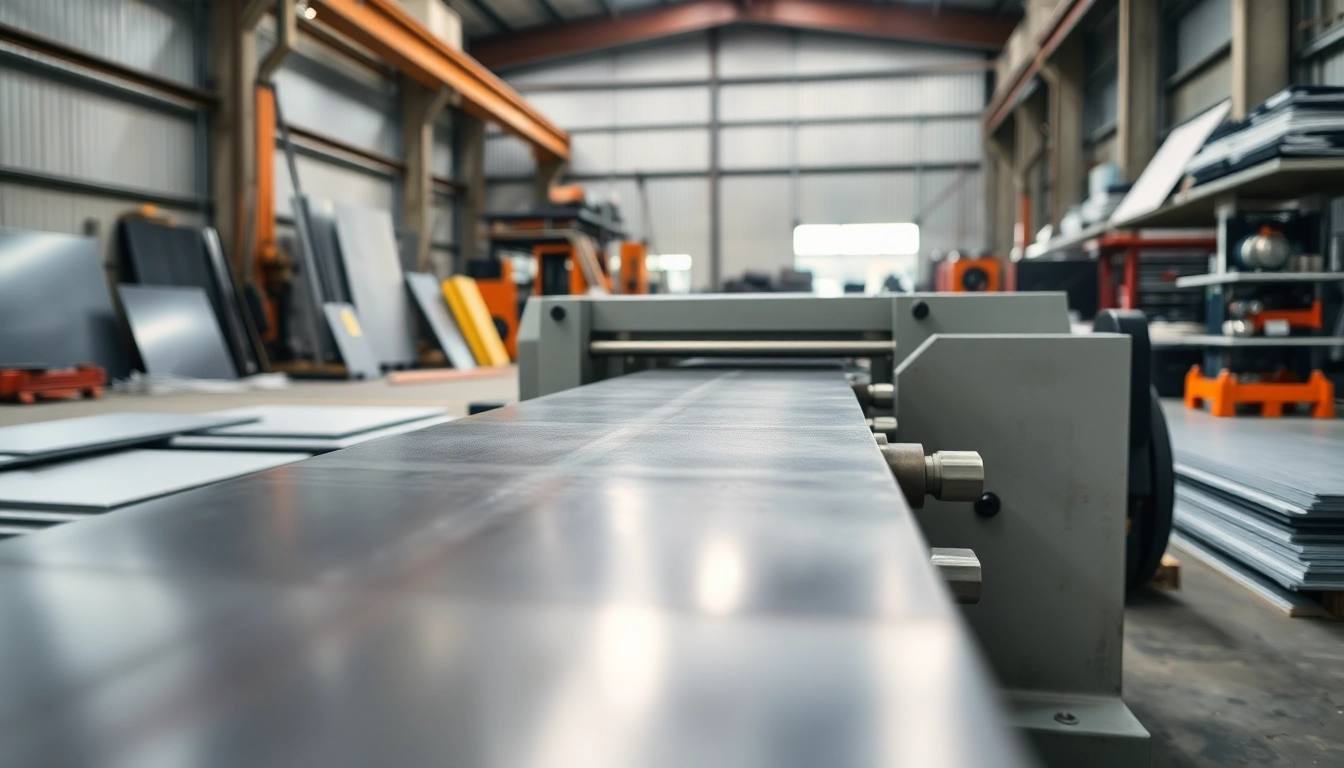
Plate rolling is a critical process in the metal fabrication industry where flat metal plates are formed into cylindrical shapes. This technique is widely used in various sectors such as construction, manufacturing, and marine engineering. During the plate rolling process, the metal is passed through a machine equipped with large rollers that gradually bend the sheet into the desired curvature. This transformation requires precision and control to ensure that the final product meets rigorous standards. The importance of plate rolling cannot be overstated, as it allows for diverse applications across industries, ranging from the production of storage tanks to the creation of complex machinery components.
Benefits of Plate Rolling in Metal Fabrication
Plate rolling offers numerous advantages in metal fabrication:
- Versatility: It can handle a variety of materials, including steel, aluminum, and other alloys, making it suitable for different projects.
- Shapes and Curvatures: The process allows for the creation of various shapes, including cones and cylinders, which are essential in many industrial applications.
- High Precision: With advancements in technology, modern plate rolling machines provide high accuracy, ensuring that specifications are met without excessive material waste.
- Cost-Effective: By reducing the need for additional machining and forming processes, plate rolling can be a cost-effective method for producing final components.
- Time Efficiency: The ability to quickly process large batches of material boosts overall production efficiency.
Types of Plate Rolling Machines
Several types of plate rolling machines exist, each designed for specific applications:
- Three-Roller Plate Rollers: This is the most common design and offers greater control for the forming process, enabling operators to create conical shapes easily.
- Four-Roller Plate Rollers: This type provides better precision and is used for rolling thicker plates, thanks to its ability to maintain a constant radius throughout the operation.
- Hydraulic Rollers: Hydraulic systems increase flexibility and ensure uniform pressure across the plate, making these rollers ideal for special applications where precision matters.
- Mechanical Rollers: A more traditional design, mechanical rollers are suitable for basic operations where high precision is not a critical factor.
Key Processes in Plate Rolling
Preparation and Setup for Plate Rolling
To achieve optimal results in plate rolling, proper preparation and setup are crucial. This stage includes:
- Material Selection: Choosing the right type of metal based on the project’s specifications.
- Machine Calibration: Ensuring that the rolling machine is correctly set up to handle the selected material’s thickness and width.
- Safety Checks: Conducting thorough inspections to minimize the risk of accidents and ensure that machinery operates effectively.
- Layout Planning: Organizing the workflow to enhance efficiency and reduce downtime during the rolling process.
Main Steps in the Plate Rolling Process
The actual plate rolling process involves several steps:
- Loading the Material: The metal plate is placed on the machine and secured to prevent movement during rolling.
- Initial Pre-Bending: The edges of the plate may be pre-bent slightly to prepare it for forming.
- Rolling: The plate is rolled progressively through the machine’s rollers, with adjustments made to achieve the desired curvature.
- Final Adjustments: After rolling, additional adjustments may be necessary to fine-tune the final shape.
- Unloading and Inspection: The finished product is unloaded and subjected to quality inspection to ensure it meets the specifications.
Quality Control in Plate Rolling
To maintain high standards of quality in plate rolling, various checks and processes are put in place:
- Dimensional Checks: Regular measurements throughout the process ensure that the thickness, width, and length meet set specifications.
- Structural Integrity Testing: Post-rolling tests, such as tensile testing, assess the strength and durability of the material.
- Surface Quality Inspection: Ensuring the surface finish is free from defects that could compromise performance.
- Documentation: Keeping records of measurements and outcomes for traceability and future reference.
Common Challenges in Plate Rolling
Issues with Material Defects
Material defects such as inclusions, voids, or inconsistent thickness can lead to significant issues in plate rolling. These defects can cause uneven rolling and final product failures. To prevent these issues, it is essential to source materials from reputable suppliers and perform thorough inspections before rolling begins.
Preventing Misalignment and Deformation
Misalignment during the plate rolling process can lead to deformation, resulting in products that do not meet specifications. Operators should ensure proper feed guide alignment and utilize rollers with adequate adjustments to maintain control throughout the rolling process.
Handling Different Thicknesses
Handling various thicknesses often presents challenges in achieving uniform results. Using the right type of plate rolling machine and adjusting the parameters accordingly can help mitigate these difficulties. Operators should also understand the material’s properties and gravity effects on rolling thicker sheets.
Best Practices for Efficient Plate Rolling
Regular Maintenance of Equipment
Consistent maintenance of rolling machines is vital for operational efficiency. Routine inspections, lubrication of moving parts, and timely replacement of worn-out components help prevent downtime and enhance productivity.
Skilled Operator Training
Investing in operator training not only maximizes the potential of machinery but also ensures that safety protocols are followed. Skilled operators can quickly identify and remedy potential issues as they arise, enhancing both quality and efficiency during the rolling process.
Utilizing Technology and Automation
Incorporating modern technologies such as automated systems and advanced CNC solutions can significantly improve the efficiency of plate rolling. Automation increases precision and reduces human error, allowing significant output improvements while maintaining high-quality standards.
Future Trends in Plate Rolling
Innovations in Plate Rolling Technology
The future of plate rolling is expected to involve further technological advancements. Innovations such as continuous rolling methodologies and enhanced sensing technologies can provide real-time data analysis, promoting more efficient and precise operations.
Sustainability in Metal Fabrication
As industries pivot toward greener practices, sustainability has become a focal point in metal fabrication. Future trends will likely include recycling metal waste and adopting processes that minimize energy consumption during plate rolling.
The Role of Automation in Plate Rolling
Automation will play an increasingly significant role in enhancing the plate rolling process. From robotic load and unload systems to automatic measuring tools, integration of such technologies is set to revolutionize production capacities and product precision.
Frequently Asked Questions
What industries rely on plate rolling?
Industries such as construction, aerospace, automotive, and marine rely heavily on plate rolling for creating cylindrical components like tanks and pipes.
What materials can be used in plate rolling?
Common materials include steel, aluminum, and other metal alloys, each chosen based on the specific application requirements.
How is quality controlled in plate rolling?
Quality control is maintained through dimensional checks, surface inspections, and structural integrity testing post-rolling.
Can plate rolling handle thick materials efficiently?
Yes, with the right machine and techniques, plate rolling can effectively handle thick materials, though adjustments may be needed.
What role does training play in plate rolling?
Proper training ensures operators can maximize machinery capabilities, adhere to safety standards, and minimize production errors.