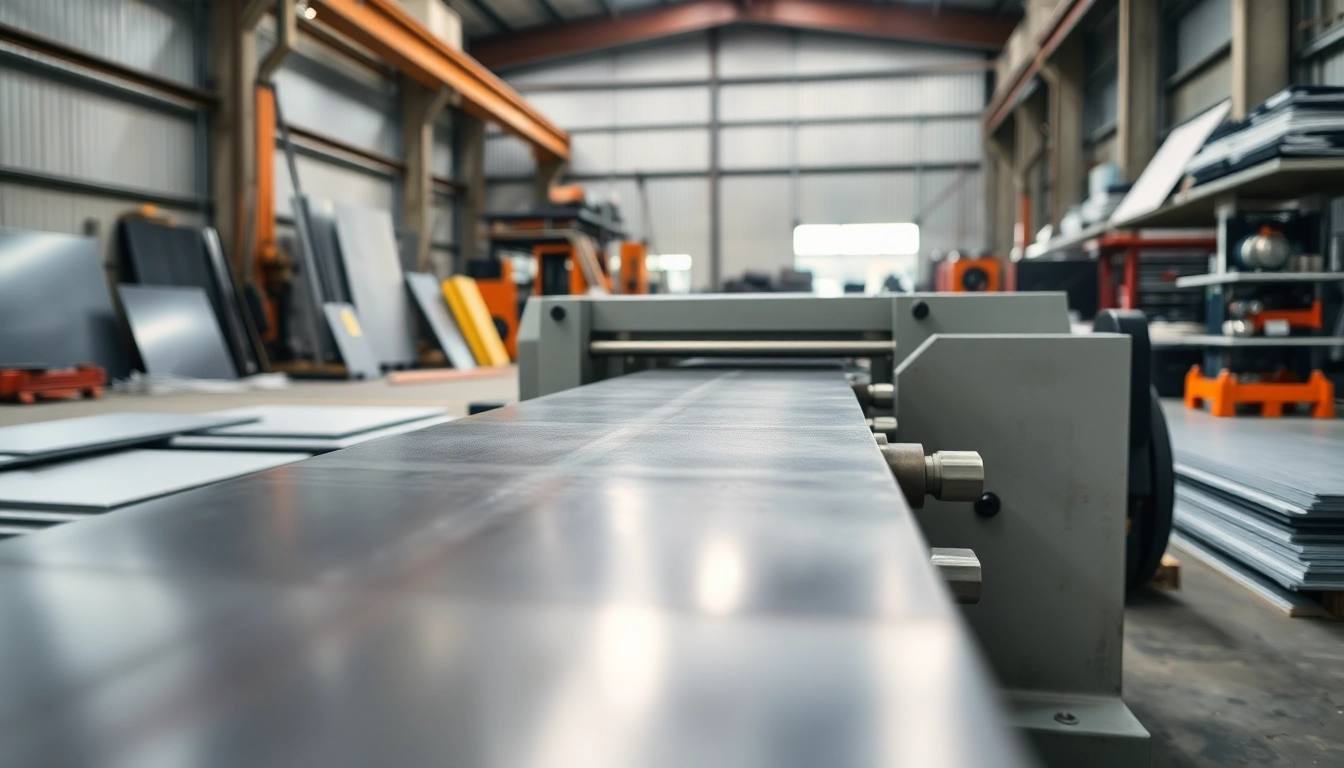
Understanding GRP Grating and Its Applications
What is GRP Grating?
Glass Reinforced Plastic (GRP) grating is an advanced composite material made primarily from fiberglass and resin, designed to provide a high-strength and lightweight solution for various flooring and platform applications. Its unique composition gives it exceptional resistance to corrosion, chemicals, and UV rays, making it an ideal choice for environments where traditional materials, such as metal or wood, may degrade quickly. GRP grating is used across numerous industries for its durability and low maintenance requirements.
Industries That Utilize GRP Grating
GRP grating finds applications in various sectors, owing to its versatile properties. Some of the primary industries utilizing GRP grating include:
- Aerospace: Lightweight and resistant to corrosion, GRP is used in aircraft flooring and support structures.
- Marine: Used in decks, walkways, and other areas exposed to saltwater, where traditional materials would quickly corrode.
- Water Treatment: GRP can withstand harsh chemicals found in water treatment facilities, making it a popular choice.
- Food Processing: Non-toxic and resistant to bacteria, GRP is ideal for areas requiring high hygienic standards.
- Construction: Used in scaffolding, platforms, and other structural applications due to its strength-to-weight ratio.
Key Benefits of Using GRP Grating
The advantages of GRP grating extend beyond its durability. Here are some key benefits:
- Lightweight: Much lighter than metal alternatives, facilitating easier transportation and installation.
- Corrosion Resistance: An excellent choice for harsh environments, providing longevity with minimal maintenance.
- Safety Features: Non-slip surfaces can be engineered into the grating, enhancing workplace safety.
- Cost-Effectiveness: Reduces the need for frequent replacements, ultimately saving on long-term costs.
- Environmental Resistance: GRP isn’t susceptible to the effects of water, chemicals, or temperature fluctuations.
Why Choose a Reliable GRP Grating Supplier?
Importance of Quality in GRP Grating
Selecting a reputable GRP Grating Supplier is pivotal in ensuring the quality of your grating solutions. High-quality materials guarantee structural integrity and longevity. A reliable supplier will meet industry standards, minimizing risks associated with subpar products that may lead to workplace accidents or costly replacements.
Certifications and Standards to Look For
When evaluating GRP grating products, it is crucial to check for certifications that signify adherence to safety and quality standards. Look for products that comply with:
- ASTM Standards: These standards ensure that the materials used meet specific quality criteria.
- ISO Certifications: Indicates that the manufacturer follows internationally recognized quality management protocols.
- FDA Compliance: Essential for applications involving food processing, ensuring materials are safe for contact with food.
Customer Service and Support in Grating Supply
Good customer service is vital when choosing a GRP grating supplier. A responsive company will assist with:
- Product Selection: Providing guidance on the best grating solutions for specific applications.
- Technical Support: Offering information on installation and maintenance practices.
- After-Sales Service: Ensuring satisfaction with product performance and addressing any issues that arise post-purchase.
Types of GRP Grating Available
Molded vs. Pultruded GRP Grating
Two primary manufacturing methods for GRP grating are molded and pultruded, each with unique properties:
- Molded GRP Grating: Made by pouring resin and glass into a mold, this type is known for its high slip resistance and customizable designs. It is suitable for a wide variety of applications, especially in industries demanding high safety standards.
- Pultruded GRP Grating: Created by continuously pulling a composite through a heated die, pultruded grating is generally stronger and has a more uniform appearance. It is ideal for heavy-duty applications where structural support is critical.
Heavy-Duty GRP Grating Options
For applications requiring enhanced strength and durability, heavy-duty GRP grating options are available. These products typically feature higher resin content and additional reinforcement, making them capable of handling significant loads without compromising safety or structural integrity. Industries such as oil and gas, where heavy machinery is prevalent, often rely on these products.
Specialty GRP Grating for Specific Needs
In addition to standard grating types, specialty GRP grating options are available to cater to specific requirements, such as:
- Lightweight Grating: Designed for portable applications, easy handling, and installation.
- Custom Colors and Textures: For aesthetic purposes or to meet branding needs in commercial environments.
- Non-Slip Surfaces: Engineered surfaces enhance traction in wet or slippery conditions, vital for safety in workplaces.
Installation and Maintenance of GRP Grating
Easy Installation Techniques
One of the advantages of GRP grating is its ease of installation. Here are some techniques to consider:
- Modular Systems: Many GRP grating products come in modular sections, allowing for straightforward assembly without specialized tools.
- Pre-Drilling: Some systems allow pre-drilled holes for easy attachment to supporting structures.
- Lightweight Components: The lightweight nature of GRP grating reduces the need for scaffolding or heavy lifting equipment during installation.
Routine Maintenance Tips
Maintaining GRP grating is relatively simple and can include the following practices:
- Regular Inspections: Check for wear or damage, especially in high-traffic areas, to ensure safety.
- Cleaning: Use mild detergents and water to remove debris or contaminants that may accumulate.
- Immediate Repairs: Address any cracks or defects promptly to prevent escalation of the damages.
Common Issues and Solutions
While GRP grating is designed for durability, a few common challenges may arise:
- Slipping: Ensure proper surface texture for slip resistance, especially in wet environments.
- UV Degradation: Choose UV-stabilized products for exterior applications to prolong the grating’s life.
- Noise: If noise is a concern, consider installing rubber mats or noise-dampening solutions under grating.
Frequently Asked Questions about GRP Grating
What makes GRP grating a preferred choice?
GRP grating offers a combination of lightweight properties, corrosion resistance, low maintenance, and high strength, making it ideal for various industrial applications.
How to select the right type of GRP grating?
Consider factors such as load requirements, environmental conditions, safety standards, and aesthetic preferences when selecting GRP grating.
Can GRP grating be customized?
Yes, GRP grating can often be customized in terms of size, color, and surface texture to meet specific project needs and branding requirements.
What is the lifespan of GRP grating?
The lifespan of GRP grating can exceed 30 years with proper installation and maintenance, making it a cost-effective choice over time.
Are there any eco-friendly GRP grating options?
Yes, many manufacturers offer eco-friendly GRP grating options made from recycled materials or designed for reduced environmental impact during production.