
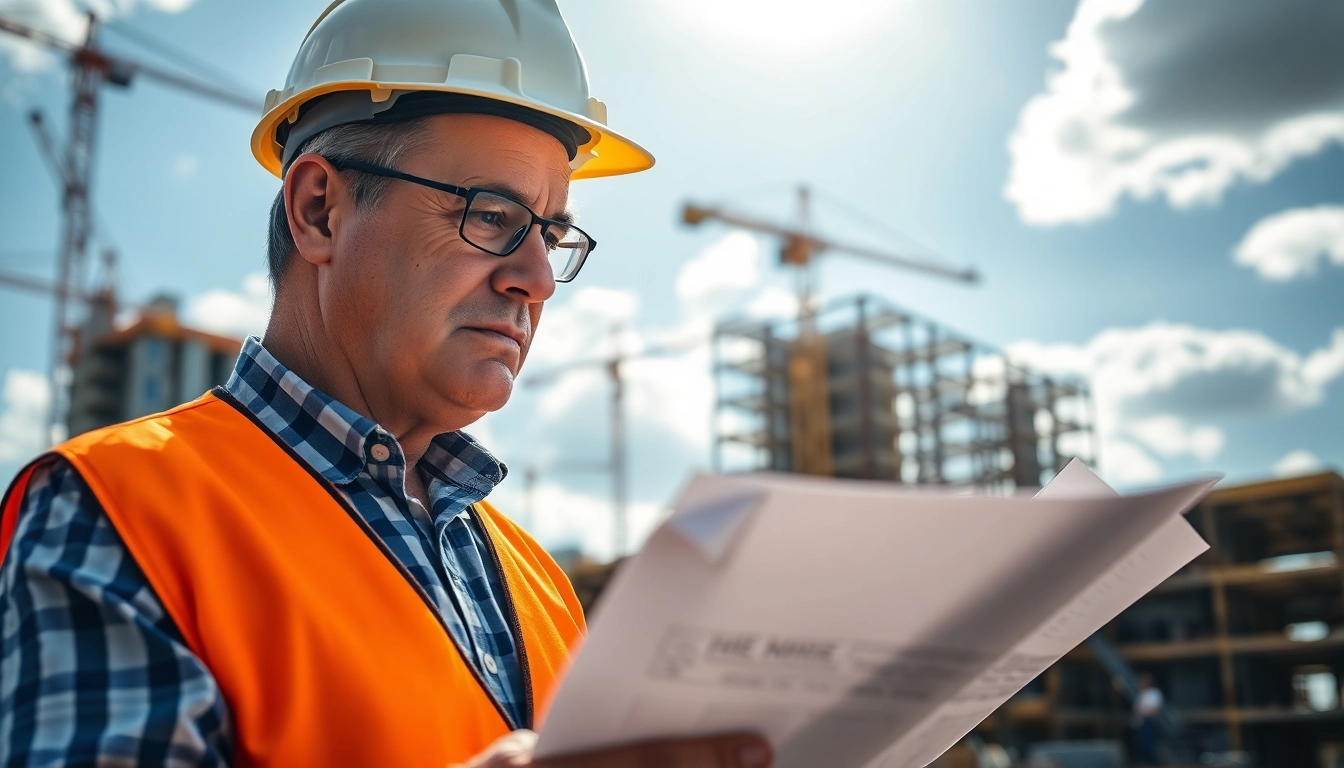
Understanding the Role of a New Jersey General Contractor
What is a General Contractor?
A general contractor is a licensed professional responsible for overseeing construction projects from inception to completion. In New Jersey, general contractors serve as the main point of coordination between clients, subcontractors, and suppliers, ensuring that the project is executed efficiently and effectively. They may handle residential or commercial projects, and their responsibilities can range from managing budgets to sourcing materials, all while adhering to local building codes and regulations. Hiring a skilled New Jersey General Contractor ensures that the construction project is in knowledgeable and experienced hands, providing peace of mind to the clients involved.
Responsibilities of a New Jersey General Contractor
The role of a general contractor encompasses a broad array of responsibilities essential to a successful project outcome:
- Project Planning: This involves creating comprehensive plans, timelines, and budget forecasts while considering client preferences and project specifications.
- Subcontractor Management: General contractors hire and manage subcontractors, ensuring that each team member performs their duties to meet quality standards and project timelines.
- Permits and Inspections: They are responsible for acquiring the necessary permits and ensuring compliance with all local building codes and regulations. This includes organizing inspections at various steps of the construction process.
- Quality Assurance: General contractors oversee the quality of work, conducting regular inspections and managing corrections as necessary to ensure the final output meets expectations.
- Financial Oversight: They manage project finances, keeping track of costs and expenses to prevent budget overruns while ensuring timely payments to subcontractors and suppliers.
- Client Communication: Maintaining clear and frequent communication with clients about project progress, challenges, and any necessary changes is critical to keep projects on track.
The Benefits of Hiring a General Contractor
Engaging a general contractor can offer numerous advantages, particularly for those tackling sizable renovation or construction projects:
- Expertise and Experience: General contractors possess the skills and knowledge necessary for navigating complex projects effectively, reducing the likelihood of costly mistakes.
- Time Savings: With a general contractor handling the day-to-day operations, clients can focus on other critical aspects of their lives while the project progresses smoothly.
- Access to Resources: General contractors have established relationships with trustworthy subcontractors and suppliers, enabling them to secure better pricing on materials and services.
- Problem Resolution: In cases where unexpected issues arise, a general contractor can quickly devise solutions, minimizing delays and stress for the client.
- Compliance Assurance: Hiring a knowledgeable contractor ensures adherence to legal requirements, reducing the risk of incurring fines or delays due to non-compliance.
Choosing the Right New Jersey General Contractor for Your Project
Factors to Consider When Selecting a Contractor
Choosing the right general contractor is crucial to the success of your project. Here are several significant factors to weigh:
- Experience: Look for a contractor with a proven track record in projects similar to yours. Experience offers invaluable insight into managing unexpected challenges effectively.
- Licensing and Insurance: Confirm that the contractor holds the required licenses and insurance coverage to protect against liability during the project.
- Reputation: Research the contractor’s standing in the community. Look for reviews, ratings, and testimonials from previous clients to gauge their reliability and quality of work.
- Communication Style: Choose a contractor with whom you feel comfortable communicating openly. Clear communication is vital throughout the construction process.
- Cost Estimation: Obtain detailed estimates from several contractors, comparing not just costs but also the services included in the price.
Checking Qualifications and Licenses
When hiring a general contractor, it’s paramount to verify their qualifications. In New Jersey, contractors must possess valid licenses pertinent to the work they perform. Additionally, ask for proof of liability insurance and workers’ compensation to protect against potential claims. A thorough background check can identify any prior complaints or disputes, ensuring you select a qualified professional for your project.
Asking for References and Reviews
Don’t hesitate to ask potential contractors for references from past clients. Contacting these references allows you to inquire about their experiences, focusing on aspects such as timelines, budget adherence, and quality of work. Online reviews on platforms like Google, Yelp, or specialized sites can provide further insights into a contractor’s reputation and reliability, guiding your final decision.
Common Challenges Faced by New Jersey General Contractors
Budgeting and Financial Management
Budgeting can be particularly challenging in the construction industry due to factors such as fluctuating material costs and unexpected project changes. New Jersey contractors must manage these complexities by developing detailed budgets, carefully tracking expenses, and maintaining clear communication with clients about any financial issues that arise. Implementing project management software can also help contractors monitor budgets effectively.
Navigating Local Regulations and Permits
Construction projects often require numerous local permits and adherence to specific regulations, which can vary significantly between municipalities in New Jersey. General contractors must stay informed about local laws and building codes to avoid costly delays associated with permit-related issues. Consulting with local building authorities during the planning phase can help to streamline this process.
Maintaining Quality Control on Projects
Quality control is essential for ensuring the project’s integrity and stakeholder satisfaction. General contractors must implement specific protocols that include regular inspections and comprehensive checklists to uphold quality standards throughout the construction process. They should be prepared to address issues proactively and communicate openly with both clients and subcontractors about expectations.
Key Skills of an Effective New Jersey General Contractor
Project Management Skills
Effective project management skills are crucial for general contractors, as they coordinate multiple tasks and resources simultaneously. Being organized and having the ability to prioritize ensures that projects remain on schedule and within budget. Successful contractors often use project management tools and techniques to enhance efficiency and maintain transparency throughout the project.
Communication and Leadership Abilities
Strong communication skills are vital. A general contractor must engage effectively with clients, subcontractors, and suppliers to convey project details clearly and effectively. Additionally, leadership abilities inspire team members to achieve their best performance, fostering a collaborative work environment that leads to successful project outcomes.
Problem-Solving Techniques
Construction projects can present unexpected challenges, necessitating quick and effective problem-solving skills. A successful contractor can assess situations, gather input from stakeholders, and develop solutions that align with project goals while keeping disruptions at a minimum.Critical thinking and creativity play significant roles in effective problem resolution.
FAQs About Hiring a New Jersey General Contractor
How do I find a reliable New Jersey General Contractor?
Begin by asking for recommendations from friends or family. Online reviews and local directories can also provide valuable insights into contractors’ reputations. Always check their credentials and references before hiring.
What should I ask my contractor before hiring them?
Inquire about their experience with similar projects, licensing, insurance, budget estimates, timelines, and communication methods to ensure they align with your expectations and needs.
How long will my project take?
Project duration can vary based on complexity and scale. Your contractor should provide a realistic timeline during initial discussions, factoring in potential delays related to weather or material availability.
What permits might be required for my project?
Permit requirements depend on your project type and local regulations. Common permits include construction, electrical, plumbing, and environmental permits. Your contractor can help identify which are needed.
How are contractor fees typically structured?
Contractor fees can be structured as a flat fee, hourly rate, or percentage of the total project cost. It’s essential to discuss fee structures upfront to avoid surprises as the project progresses.