
What is Modern Trade?
Defining Modern Trade
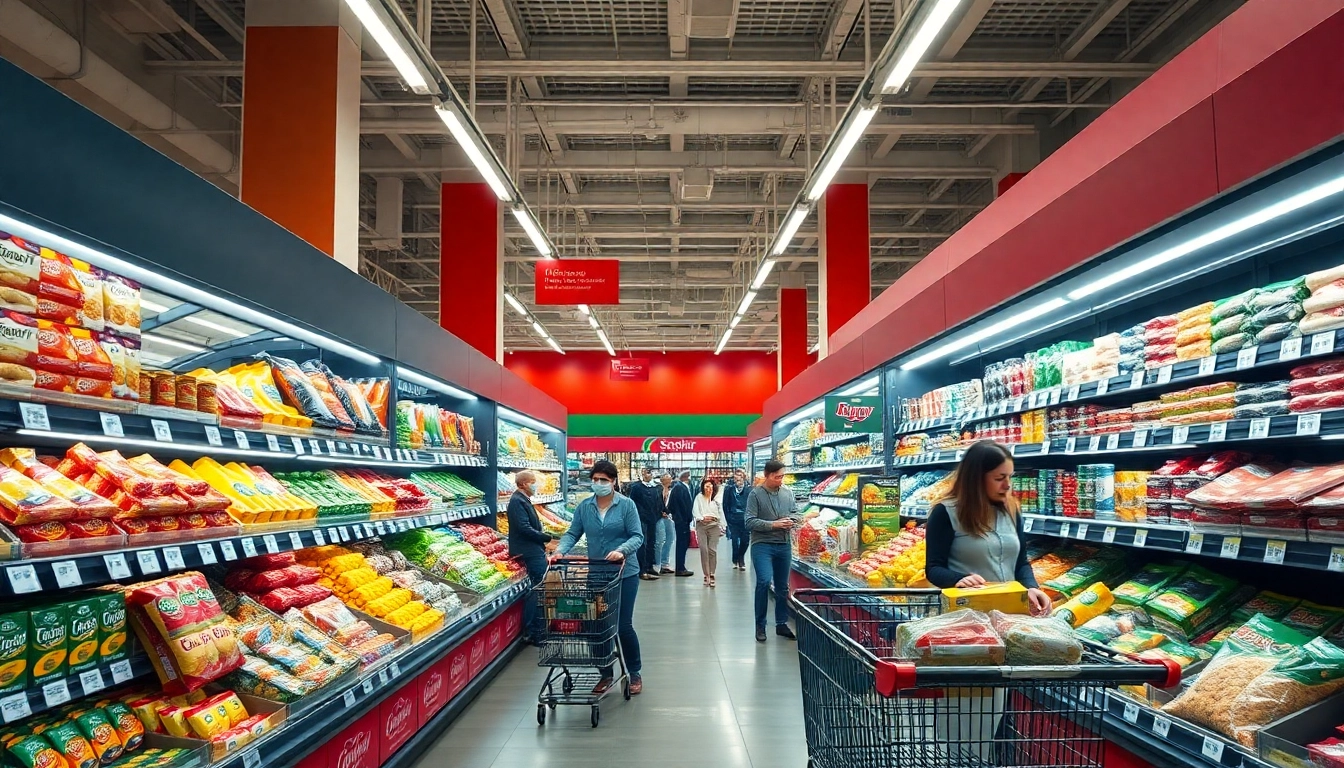
Modern trade refers to the organized retail sector characterized by large-scale outlets such as supermarkets, hypermarkets, and e-commerce platforms. Unlike traditional trade, which consists of small, independent stores, modern trade employs structured business models and technology to streamline sales processes and enhance customer experience. It incorporates inventory management systems, customer loyalty programs, and data analytics, making it a vital player in today’s retail landscape. The rise of modern trade has transformed consumer shopping behavior, pushing the boundaries of how products are marketed and sold.
Key Characteristics of Modern Trade
Modern trade is defined by several key characteristics:
- Structured Format: It typically involves large retail formats that provide a wide assortment of products under one roof, from groceries to electronics.
- Technology Integration: It relies on advanced technologies for inventory management, sales tracking, and customer data analysis.
- Centralized Purchasing: Retailers leverage economies of scale by purchasing in bulk directly from manufacturers, allowing them to offer competitive prices.
- Consumer Focus: Modern trade emphasizes understanding consumer behavior through data analytics, allowing for personalized marketing and enhanced customer satisfaction.
- Omni-channel Experience: Many modern trade businesses employ various sales channels, including online platforms, to provide a seamless shopping experience.
Evolution from Traditional to Modern Trade
The evolution of trade from traditional to modern has its roots firmly planted in changing consumer preferences and technological advancements. Traditional trade, often dominated by small neighborhood stores, was primarily based on personal relationships and trust. As urbanization increased and lifestyles changed, consumers began to seek convenience, variety, and reliability in their shopping experiences.
The introduction of large retail formats provided a solution, merging convenience with a broader selection of products. Innovation in logistics and supply chain management further facilitated this transition, allowing retailers to maintain optimal stock levels while also reducing costs. This shift has solidified modern trade’s position as a critical component of the retail ecosystem.
The Importance of Modern Trade in Retail
Market Trends and Consumer Behavior
Modern trade has become essential due to evolving market trends and fluctuating consumer behaviors. As more consumers shift toward digital shopping, the demand for integrated online and offline shopping experiences has surged. Data indicates that consumers are increasingly influenced by online reviews and recommendations, reinforcing the need for businesses to adapt their marketing strategies accordingly.
Additionally, factors such as purchasing power, urbanization, and lifestyle changes are driving consumers toward modern trade channels that offer convenience and accessibility. Retailers must stay attuned to these trends, ensuring their offerings align with customer expectations.
Benefits of Modern Trade for Retailers
Retailers can reap numerous benefits from adopting modern trade practices:
- Increased Sales Volume: The large scale enables retailers to attract a higher foot traffic, resulting in increased sales opportunities.
- Brand Visibility: Organized retail spaces often provide better shelf space and visibility compared to traditional stores, allowing for effective product promotion.
- Enhanced Customer Experience: The integration of technology facilitates smoother shopping experiences, leading to improved customer satisfaction.
- Cost Efficiency: Bulk purchasing and streamlined operations reduce overall costs, allowing for better pricing strategies.
- Access to Data Insights: Modern trade allows retailers to collect and analyze vast amounts of consumer data, enabling better decision-making and targeted marketing.
Impact on Supply Chain Management
The impact of modern trade on supply chain management cannot be overstated. The structured nature of modern trade encourages efficient logistics and inventory management systems. These systems are designed to optimize delivery schedules, minimize stockouts, and facilitate effective demand forecasting.
Moreover, data analysis in supply chain management allows for better visibility into consumer trends, helping retailers adjust their inventory dynamically. This adaptability not only improves operational efficiency but also enhances customer satisfaction by ensuring that popular products are readily available. In sum, modern trade promotes a more agile and responsive supply chain ecosystem.
Comparing Modern Trade and General Trade
Key Differences Explained
Understanding the distinctions between modern trade and general trade is crucial for retailers and marketers alike. Here are the primary differences:
- Store Formats: Modern trade encompasses large retail chains and organized formats, while general trade focuses on small, independent stores.
- Operational Structure: Modern trade is centralized and organized, relying heavily on technology for its operations, whereas general trade is less structured.
- Supply Chain: Modern trade allows for better control over supply chains due to bulk purchasing and standardized processes, while general trade may involve fragmented sourcing.
- Customer Engagement: Modern trade typically employs advanced customer engagement strategies, leveraging data for targeted marketing, while general trade relies on personal relationships.
Advantages of Modern Trade Over General Trade
Several advantages highlight why modern trade has become the preferred choice in many markets:
- Better Pricing: Due to bulk purchasing and operational efficiency, modern trade can offer lower prices compared to general trade.
- Wider Product Range: Modern trade outlets provide a diverse range of products, catering to various consumer needs.
- Enhanced Shopping Environment: The structured layouts of modern trade stores create a more pleasant shopping experience for consumers.
- Promotional Opportunities: Retailers in modern trade can run coordinated marketing campaigns, benefiting from economies of scale.
Case Studies: Success Stories
Several brands have successfully harnessed the power of modern trade to drive growth. A notable example is the fast-moving consumer goods (FMCG) sector, where companies have switched their focus toward large retail formats to maximize brand visibility and sales velocity. These companies often invest significantly in understanding consumer data, which then informs their product development and marketing strategies.
These success stories underscore the importance of adapting to modern trade practices to stay competitive in an ever-evolving retail landscape.
Strategies for Implementing Modern Trade
Adopting Technology in Retail
Embracing technology is fundamental in transitioning to modern trade. Retailers should invest in modern point-of-sale (POS) systems, customer relationship management (CRM) software, and inventory management tools to streamline operations and enhance customer engagement. For instance, using data analytics helps identify purchase patterns, allowing retailers to tailor their offerings to meet consumer demand effectively.
Furthermore, implementing mobile apps or online shopping platforms can facilitate a seamless customer experience, bridging the gap between online and offline shopping.
Customer Engagement Techniques
Effective customer engagement is at the core of modern trade. Retailers should consider personalized marketing strategies to connect with consumers. Loyalty programs, targeted promotions, and personalized communication can drive customer retention and increase sales. Utilizing social media and digital marketing can enhance visibility and foster a community around your brand.
Additionally, seeking customer feedback can provide insights into improving services and product offerings, ensuring that you meet expectations consistently.
Measuring Success: Performance Metrics
To assess the efficacy of modern trade strategies, retailers should establish clear performance metrics. Key performance indicators (KPIs) may include sales growth, customer acquisition rates, inventory turnover, and customer satisfaction scores. Regularly analyzing these metrics can help identify areas for improvement and validate successful initiatives.
Monitoring competition and market trends is also vital, enabling retailers to stay agile and adjust strategies proactively.
Future Trends in Modern Trade
Emerging Technologies and Experience
The retail landscape continues to evolve, with emerging technologies influencing modern trade significantly. Innovations such as artificial intelligence (AI), augmented reality (AR), and blockchain are paving the way for a more integrated shopping experience. For instance, AI can optimize supply chain management, while AR can offer immersive shopping experiences by enabling customers to visualize products in their own space.
These technologies not only increase operational efficiencies but also reshape consumer expectations regarding convenience and interactivity.
Sustainability and Ethical Practices
With growing awareness of environmental issues, sustainability has become a critical focus in modern trade. Consumers increasingly favor brands that adopt ethical practices, from sourcing materials responsibly to reducing plastic use. Retailers embracing sustainability will benefit from enhanced brand loyalty and differentiate themselves from competitors.
Strategies such as sustainable sourcing, waste reduction initiatives, and community involvement can position a brand favorably in consumers’ eyes, fostering long-term success.
Global Perspectives on Modern Trade
Globally, modern trade varies significantly due to cultural differences, regulatory environments, and economic conditions. In developed markets, it often focuses on convenience and technological integration, while in developing regions, modern trade might still be gaining traction as consumers transition from traditional shopping habits.
Understanding these global perspectives offers valuable insights for companies looking to penetrate new markets or expand their reach. Companies need to tailor their modern trade strategies to align with local consumer preferences and market nuances.
Frequently Asked Questions
What defines modern trade?
Modern trade (MT) refers to organized retail channels like supermarkets and large-format stores that use structured, tech-driven approaches to commerce.
How does modern trade impact consumer behavior?
Modern trade enhances consumer experience by providing convenience, product variety, and personalized marketing, fostering more informed purchasing decisions.
What technologies are crucial for modern trade?
Key technologies include advanced inventory systems, customer relationship management software, e-commerce platforms, and data analytics tools to optimize retail operations.
How does modern trade differ from e-commerce?
While e-commerce primarily involves online transactions, modern trade encompasses both online platforms and brick-and-mortar retail, emphasizing an integrated shopping experience.
Why is sustainability important in modern trade?
Sustainability builds brand loyalty and addresses consumer demand for ethical practices, making companies more competitive and fostering long-term growth in modern trade.