
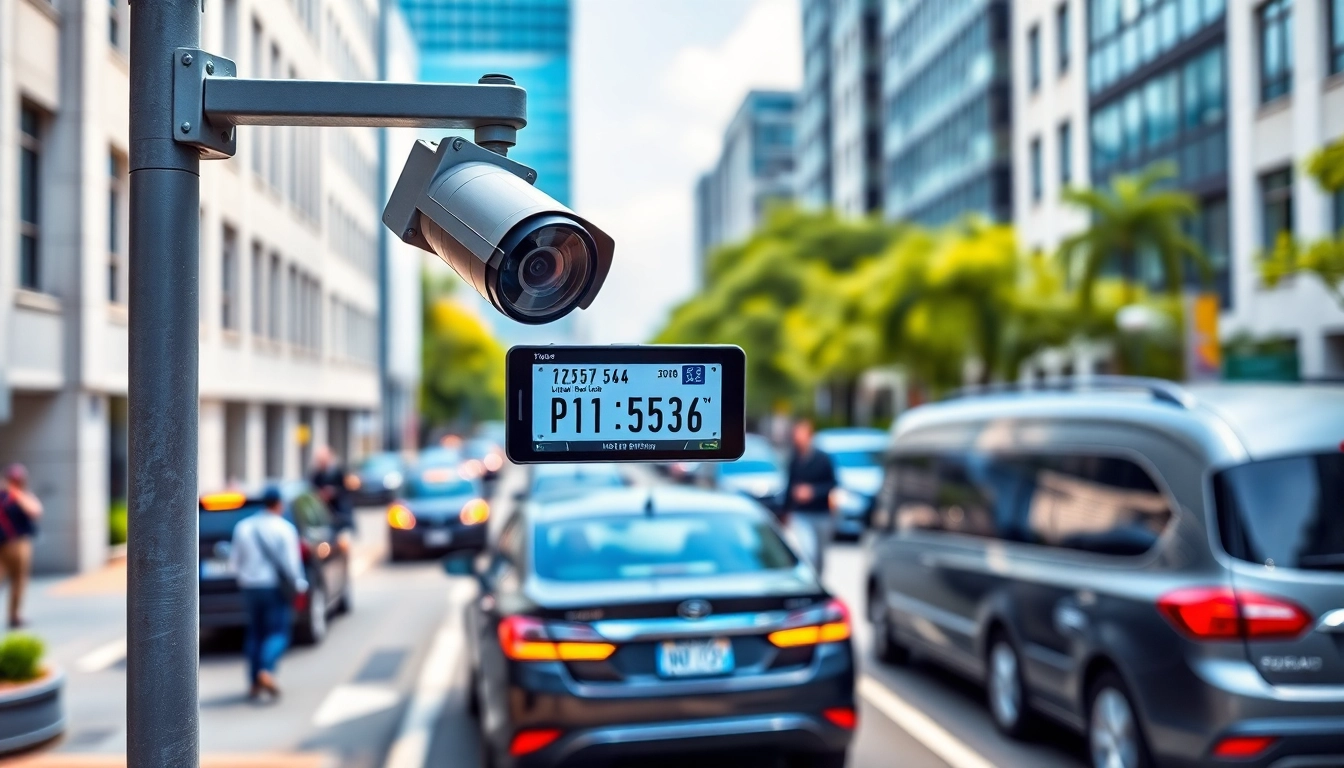
What is Automatic License Plate Recognition?
Automatic License Plate Recognition (ALPR) refers to a technology designed to automatically capture, analyze, and store license plate information from vehicles. Utilizing high-resolution cameras in conjunction with sophisticated software, ALPR systems have gained traction in public safety and commercial applications. This technology is revolutionizing how we monitor vehicular movement, enhancing both security and operational efficiency across various sectors. By incorporating automatic license plate recognition systems, organizations are equipped to manage and analyze vehicle data effectively.
Definition and Technology Behind ALPR
At its core, automatic license plate recognition is an advanced optical character recognition (OCR) technology, meticulously engineered to read and interpret license plates. The system first captures an image of the license plate using specialized cameras. Then, the captured image undergoes processing to extract the alphanumeric characters displayed on the plate. This information can then be utilized for a variety of applications, from toll collection to law enforcement investigations.
Components of Automatic License Plate Recognition Systems
ALPR systems consist of several key components that work in harmony to deliver accurate results:
- Cameras: High-resolution cameras capture clear images of license plates under various lighting and environmental conditions.
- Lighting: Infrared or white lighting is often used to enhance image clarity, allowing for reliable readings even at night.
- Processing Unit: After image capture, a processor decodes and analyzes the data, converting it into a machine-readable format.
- Databases: ALPR systems commonly interface with databases to cross-reference license plate information against known vehicles, such as stolen vehicles or wanted individuals.
- User Interface: This component enables operators to manage and review the captured data, often displaying relevant alerts or data summaries.
How ALPR Works in Real-Time
Real-time functionality is one of the significant advantages of ALPR systems. Once the camera captures a plate, the software employs OCR algorithms to extract the characters instantly. The system can then simultaneously compare this information against pre-defined databases (often referred to as “hot lists”) to alert users if a vehicle of interest is identified. This swift process enhances situational awareness for law enforcement and operational teams, providing crucial data in potentially critical situations.
Applications of Automatic License Plate Recognition
Law Enforcement and Public Safety
In the realm of law enforcement, automatic license plate recognition serves as an indispensable tool. Officers can deploy ALPR-equipped vehicles to automatically scan plates as they patrol, gaining real-time access to vital information on stolen cars, wanted individuals, or vehicles associated with criminal activity. Furthermore, many police departments use ALPR data to analyze crime patterns and improve their resource allocation during investigations.
Parking Management Solutions
ALPR technology significantly enhances parking management systems by automating the processes of vehicle identification and payment collection. This reduces reliance on human personnel and minimizes manual errors, leading to more streamlined operations. For example, ALPR systems can facilitate gated parking facilities, automatically recording vehicles upon entry and exit while managing billing through integration with electronic payment platforms.
Traffic Monitoring and Control
Traffic authorities utilize ALPR systems to gather data that is crucial for managing road conditions and traffic flow effectively. Data collected through ALPR can help detect congestion points, track vehicle speeds, and monitor patterns of traffic, allowing officials to make data-driven decisions regarding road improvements or modifications in enforcement strategies.
Benefits of Using Automatic License Plate Recognition
Increased Security for Communities
The deployment of ALPR systems boosts overall community security by creating a surveillance infrastructure that deters criminal activities. By keeping track of vehicle movement and identifying anomalies, community organizations can implement timely interventions to thwart potential crimes.
Efficiency in Vehicle Monitoring
ALPR systems automate the intricate and labor-intensive process of manually recording vehicle numbers, which enhances efficiency. With quick and accurate data collection, organizations can allocate resources based on actual monitoring needs rather than estimates, leading to considerable cost savings over time.
Data Collection and Analysis Advantages
The ability to amass large volumes of vehicle data presents a significant advantage for law enforcement and traffic management agencies. Through effective data analysis, relevant insights about crime trends, traffic patterns, and vehicle usage statistics can be extracted, informing future strategic planning and operational improvements.
Challenges and Limitations of Automatic License Plate Recognition
Privacy Concerns and Legal Implications
The introduction of ALPR systems has sparked ongoing debates regarding privacy and ethical concerns. The ability to track individuals based on their vehicle data raises questions about surveillance overreach and the potential for misuse. It’s essential for organizations to establish clear policies surrounding data retention and access to address these concerns adequately.
Technical Limitations of ALPR Systems
Although ALPR technology has progressed significantly, some technical limitations persist. Factors such as poor image quality due to adverse weather, obstructive elements like dirt or barriers, and variations in plate design can hinder the effective recognition and processing of information. Regular maintenance and upgrades are necessary to ensure optimal functionality.
Dealing with False Positives in Recognition
False positives are a challenge that can undermine the reliability of ALPR systems. Instances where the system incorrectly identifies the plate information can lead to wasted resources and potential legal implications. Continuous refinement of the software algorithms, coupled with the integration of human oversight, can mitigate these occurrences significantly.
Future Trends in Automatic License Plate Recognition
Advancements in AI and Machine Learning
The future of automatic license plate recognition is being shaped by rapid advancements in artificial intelligence and machine learning. These technologies promise to enhance image recognition accuracy and improve the efficiency of data processing, helping to reduce operational costs and broaden applications far beyond traditional use cases.
Integrating ALPR with Smart City Technologies
As cities evolve into smart ecosystems, the integration of ALPR with other smart technologies, such as IoT and real-time data analytics, is foreseeable. This convergence enables real-time monitoring and management of city resources, improving quality of life and driving efficiency across various municipal services.
The Role of Public Awareness and Regulation
For automatic license plate recognition to operate effectively, there must be a balanced understanding among the public regarding its purpose and scope. Transparent regulations governing data access, usage, and retention play a crucial role in diminishing fears surrounding surveillance and fostering public trust.
Frequently Asked Questions
What is ALPR technology?
Automatic License Plate Recognition (ALPR) technology utilizes cameras and software to capture, analyze, and store license plate information from vehicles in real-time.
How accurate is automatic license plate recognition?
ALPR accuracy typically exceeds 90%, but can vary depending on factors like environmental conditions, image quality, and software algorithms.
Can automatic license plate recognition be used for parking enforcement?
Yes, ALPR is widely used in parking enforcement to automate vehicle identification and payment processes, improving efficiency and accuracy.
What are the privacy concerns with ALPR systems?
Privacy concerns involve potential misuse of data, unauthorized tracking of individuals, and the extent of surveillance overreach, prompting the need for transparent regulations.
How can false positives be minimized in ALPR systems?
Continuous algorithm refinement, regular system maintenance, and implementing human oversight can significantly reduce false positives in ALPR systems.