Understanding Home Renovation
Home renovation is an exciting journey that transforms your living space, increases property value, and enhances your overall quality of life. Whether you’re looking to modernize your kitchen, add an extra room, or restore the elegance of a historical home, the process can be both rewarding and challenging. In this comprehensive guide, we’ll explore the ins and outs of Home renovation, providing you with valuable insights and practical tips to ensure your project is a success.
What Is Home Renovation?
Home renovation refers to the process of improving or restoring a residential property. This can involve anything from simple cosmetic updates, like painting and new flooring, to extensive structural changes, such as adding rooms or remodeling entire spaces. The goal is to enhance the beauty, functionality, and value of your home. Renovation can also encompass historical restoration projects aimed at preserving a property’s original charm while updating it for contemporary living.
Benefits of Home Renovation
Undertaking home renovation yields numerous benefits, both tangible and intangible:
- Increased Property Value: Well-executed renovations can dramatically raise the market value of your home, making it more attractive to potential buyers.
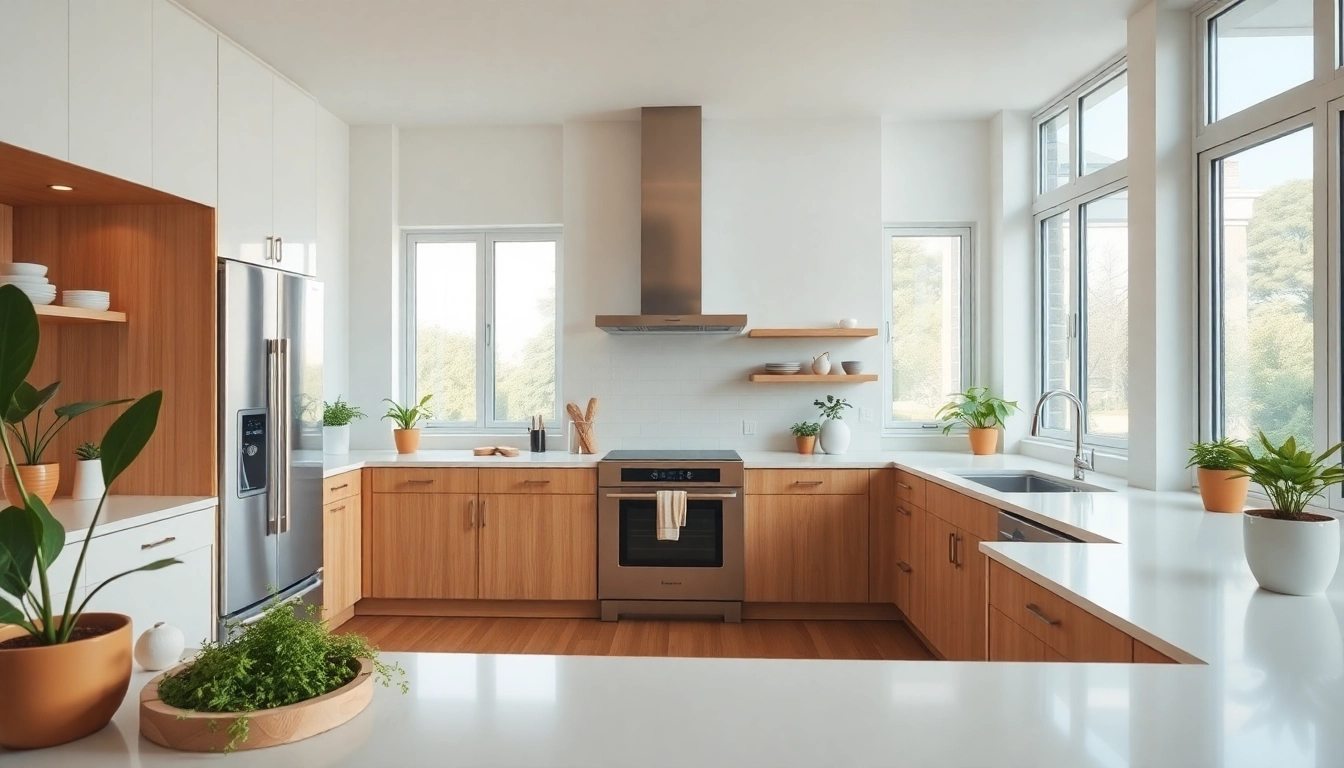
- Improved Functionality: Renovating allows homeowners to reconfigure their space to suit their needs, whether it means optimizing kitchen layouts or expanding living areas.
- Enhanced Aesthetic Appeal: Upgrading features like cabinetry, flooring, and fixtures can create a more visually pleasing environment.
- Energy Efficiency: Many renovations focus on improving energy efficiency, which can lead to lower utility bills and a reduced carbon footprint.
- Personal Satisfaction: Creating a space that reflects your personal style and meets your lifestyle needs provides immense satisfaction and enjoyment.
Common Home Renovation Myths
There are several misconceptions about home renovation that can deter or confuse homeowners:
- Renovation is Too Expensive: While some renovations can be costly, many projects can be tailored to fit various budgets, allowing for gradual improvements over time.
- All Renovations Require Permits: Not all projects necessitate permits; however, it’s essential to check local regulations to ensure compliance before beginning.
- DIY is Always Cheaper: While DIY can save money, mistakes can lead to costly repairs. Assess your skills realistically before diving into a project.
- Renovation Can Be Done Quickly: Many underestimate the time required for renovations. Things like planning, sourcing materials, and unforeseen challenges can extend timelines significantly.
Planning Your Home Renovation
Planning is an essential phase of any home renovation project. A thoughtful approach can save time, resources, and avoid mishaps.
Setting a Realistic Budget for Home Renovation
Establishing a budget is crucial for the success of your renovation project. Consider the following steps:
- Assess Your Finances: Review your current financial situation and determine how much you can afford to spend.
- Research Costs: Gather information on the costs of materials, labor, and permits for your intended projects.
- Include a Contingency Fund: Set aside a percentage of your budget (usually 10-20%) for unexpected expenses that may arise during the renovation.
- Prioritize Projects: If your budget is limited, prioritize renovations that will provide the greatest return on investment or a significant impact on day-to-day living.
Creating a Comprehensive Timeline
Creating a timeline helps keep your renovation project organized and on track:
- Define Project Phases: Break down the renovation into distinct phases (planning, sourcing materials, construction, etc.).
- Set Milestones: Identify key milestones within each phase to track progress and maintain momentum.
- Be Realistic: Allow extra time for unforeseen circumstances, especially for projects that involve permits or contractor availability.
Design Ideas for Your Home Renovation
When planning your renovations, consider the following design trends and ideas:
- Open Concept: Combining spaces can enhance flow and create a spacious environment.
- Eco-Friendly Materials: Use sustainable materials like bamboo, reclaimed wood, and recycled metal for a greener renovation.
- Smart Technology: Integrate smart home technologies for convenience and energy efficiency.
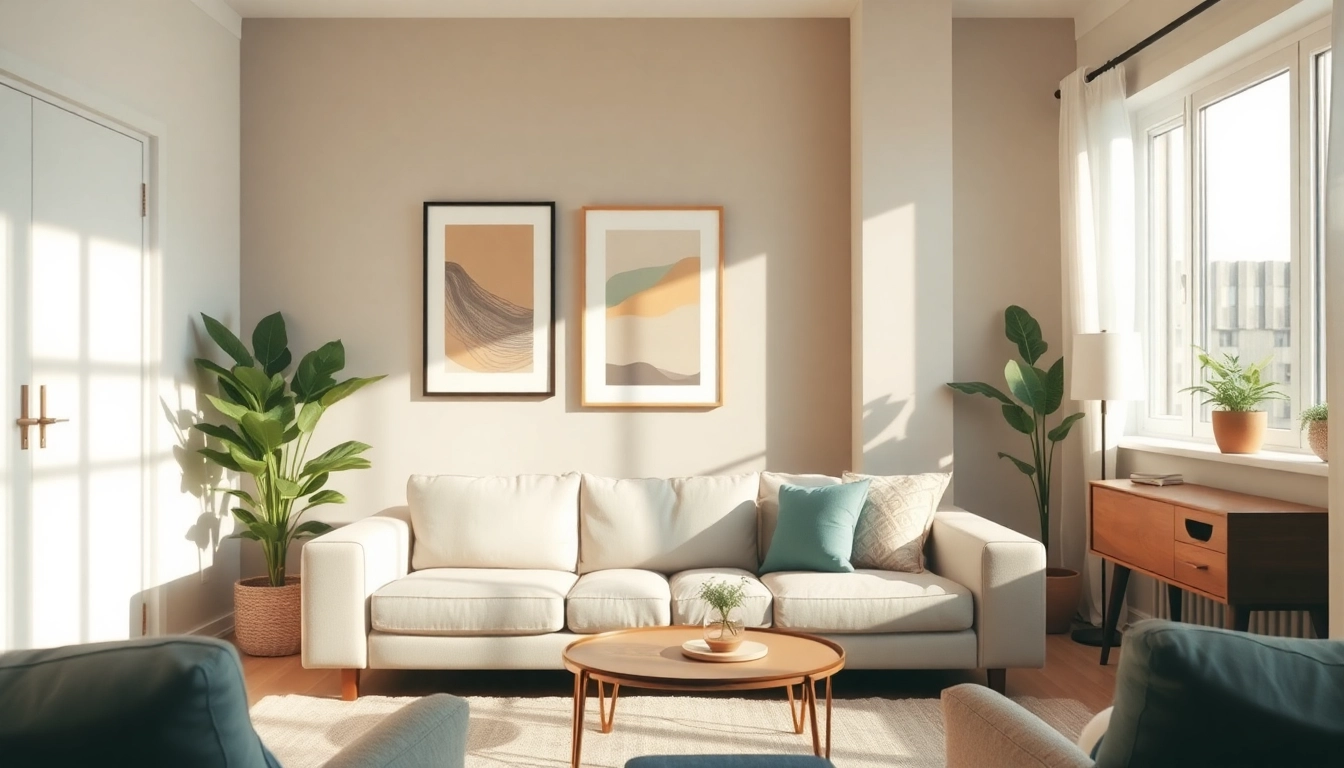
- Neutral Palettes: A neutral color scheme can provide a timeless look while allowing flexibility for décor changes.
Choosing the Right Professionals
Finding the right contractors and professionals is crucial for the success of your home renovation.
Finding Qualified Contractors for Home Renovation
Look for professionals with solid experience and positive reviews:
- Check Credentials: Ensure contractors are licensed and insured to protect yourself from liability.
- Request References: Speak with past clients to assess their satisfaction with the contractor’s work.
- Evaluate Communication: Choose a contractor who listens to your needs and communicates effectively.
What to Expect During Home Renovation
Understanding the renovation process can alleviate anxiety:
- Initial Consultations: Expect to discuss plans, budgets, and timelines with your contractors.
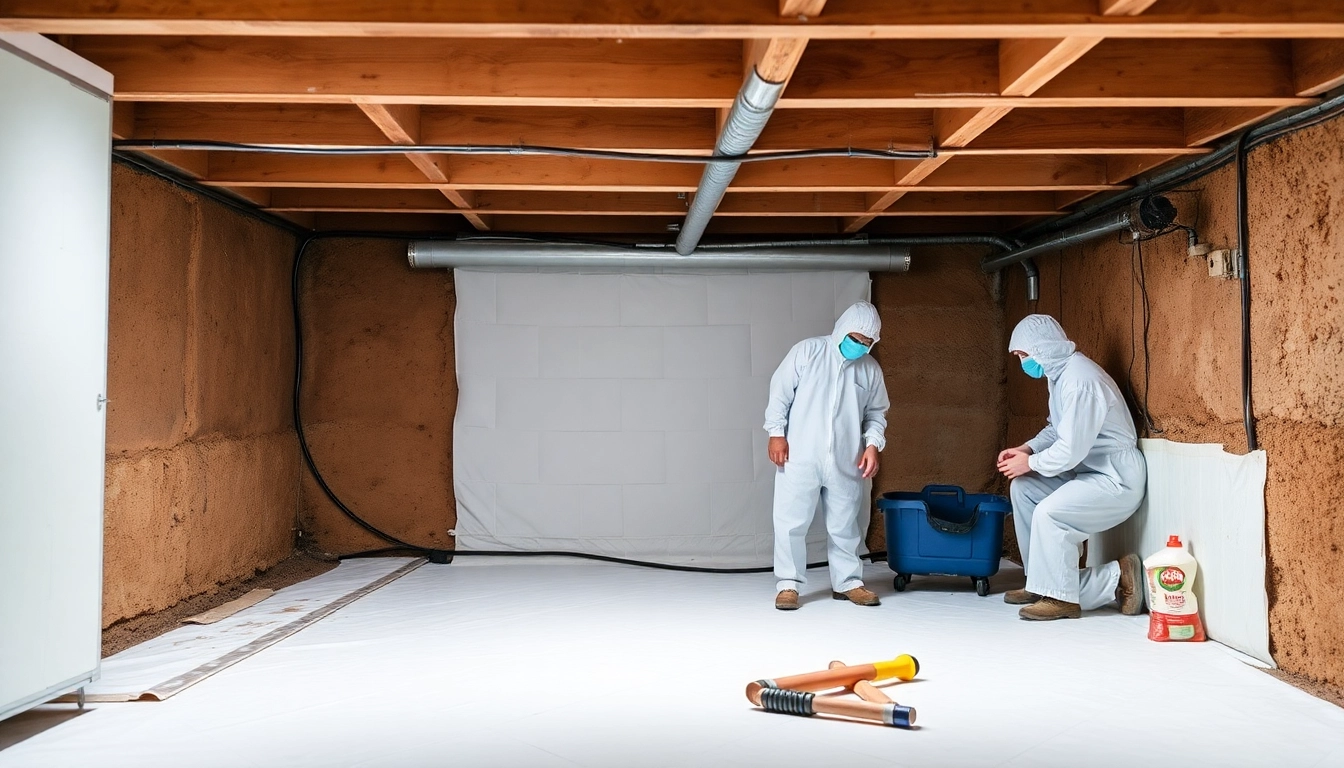
- Demolition: For significant renovations, demolition may occur first, producing dust and noise!
- Construction Phase: This is where the heavy work takes place, with contractors managing the labor and materials.
Collaborating with Designers in Home Renovation
Involving a designer can elevate your renovation:
- Feasibility Study: Professional designers can assess whether your ideas are practical within your home.
- Style Guidance: Designers can help curate styles and materials that align with your vision.
- Project Coordination: Designers often manage timelines and contractors, ensuring a smoother process.
Implementing Your Home Renovation
Once planning is complete, it’s time to implement your renovation.
Step-by-Step Guide for Home Renovation Projects
Consider the following steps when executing your renovations:
- Begin with Demolition: If applicable, this will involve tearing down walls or removing fixtures.
- Structural Changes: If your project includes altering the home’s structure, this will happen next.
- Systems First: Work on plumbing, electrical, and HVAC systems next, as they are crucial to a functional home.
- Interior Finishes: Install drywall, paint, and flooring after the structural work is done.
- Final Touches: Complete with cabinetry, plumbing fixtures, and light fittings.
Managing Changes During Home Renovation
Renovations often come with unexpected changes:
- Stay Flexible: Be prepared for changes in timelines or procedures based on challenges that arise.
- Communicate Regularly: Keep open lines of communication with your contractors about any changes or concerns.
Quality Control Measures in Home Renovation
Ensuring quality throughout your project is paramount:
- Frequent Inspections: Regularly inspect the quality of work to ensure it meets standards.
- Documentation: Maintain records of contracts, estimates, and change orders to resolve any disputes quickly.
Evaluating the Results of Home Renovation
The completion of your renovation marks a significant milestone, but it’s essential to evaluate the outcome.
Assessing the Impact of Home Renovation
Once your project is complete, consider the following:
- Functionality Review: Analyze whether the new design meets your lifestyle needs and preferences.
- Aesthetic Appeal: Reflect on whether the completed project aligns with your vision for aesthetic improvements.
- Increased Value: Consider the market value of your home now compared to before the renovations.
Long-term Benefits of Home Renovation
Reflecting on the long-term advantages can provide satisfaction:
- Stay Current: Regular renovations keep your home aligned with current design trends and technologies.
- Enhanced Comfort: Ongoing improvements make your living space more enjoyable and comfortable.
- Market Position: A renovated home can maintain or exceed property value through fluctuating market conditions.
Tips for Maintaining Renovated Spaces
After renovations, keeping your space in top condition is vital:
- Regular Cleaning: Establish a cleaning routine to protect new surfaces and fixtures.
- Scheduled Maintenance: Schedule periodic checks for plumbing, electrical, and HVAC systems.
- Stay in Touch with Professionals: Keep contact with your contractors for any future work or repairs needed.