
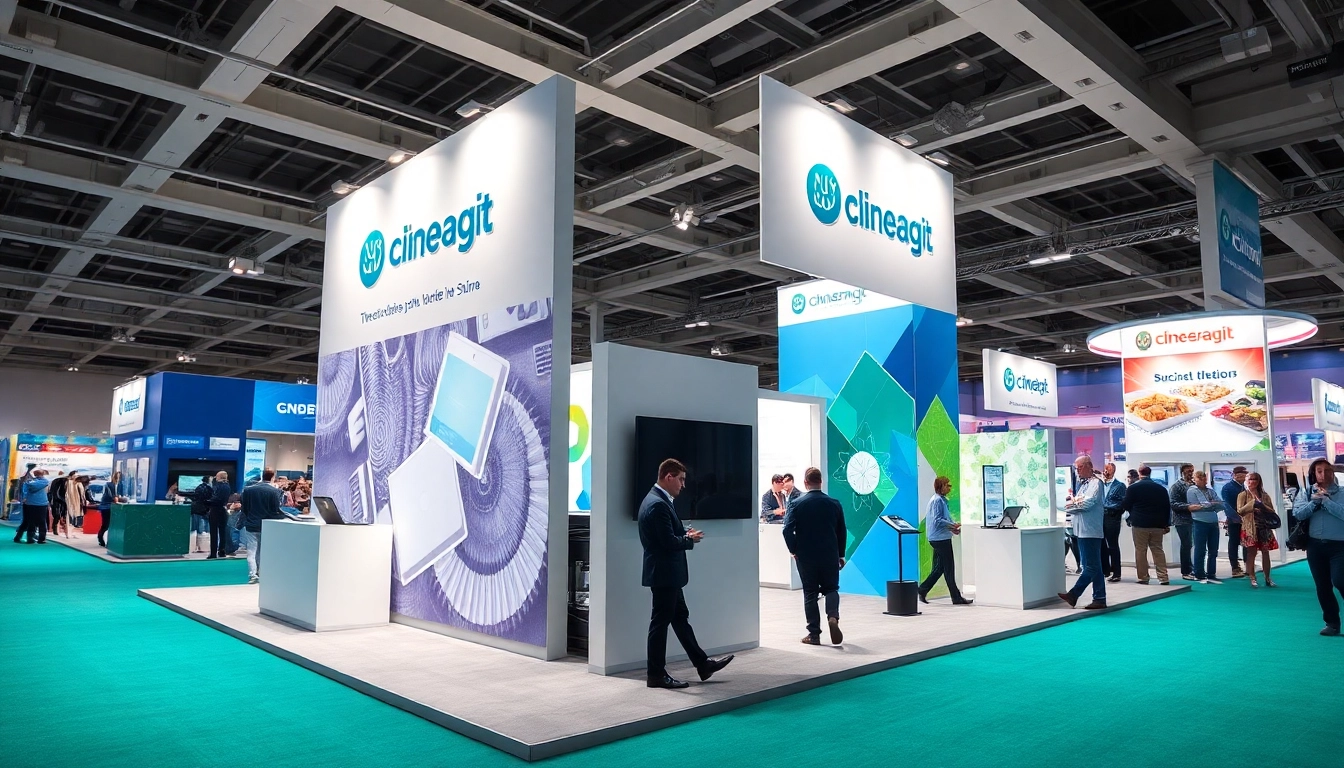
Understanding the Importance of a Trade Show Booth
Trade shows are critical platforms where businesses can showcase their products, network with industry professionals, and generate leads. A well-designed trade show booth serves as the focal point of these activities, capturing the attention of attendees amidst a sea of competitors. In this article, we will explore the significance of trade show booths, dissect the elements that contribute to their success, and provide practical strategies for maximizing your presence at any event.
Why Your Trade Show Booth Matters
Your trade show booth is often the first point of contact with potential customers. In a crowded exhibition hall, it is essential for your setup to stand out and convey your brand message effectively. A compelling booth design not only attracts attention but also fosters engagement, allowing more in-depth interactions that can lead to conversions. According to industry studies, businesses with eye-catching booths experience a higher foot traffic rate, enhancing their visibility and presence in the market.
The Role of Design in Attracting Attention
Design occupies a pivotal role in making a strong first impression. Elements such as layout, color scheme, graphics, and branding must align with your overall marketing strategy. Here are several design principles to consider:
- Color Psychology: Colors evoke emotions. Choosing the right palette can influence how attendees perceive your brand.
- Visual Hierarchy: Organize components to guide the viewer’s eye towards key information.
- Brand Consistency: Ensure that your booth reflects your brand’s look and feel, maintaining consistency across all marketing channels.
Common Mistakes to Avoid
While planning your trade show booth, be aware of common pitfalls that can detract from your impact:
- Lack of Clarity: Ensure that your message is concise. Overly complex displays can confuse attendees.
- Ignoring Engagement: Failing to incorporate interactive elements may lead to missed opportunities for engagement.
- Poor Logistics Planning: Not accounting for physical space, flow, and staff availability can lead to a chaotic booth experience.
Essential Components of a Successful Trade Show Booth
A successful trade show booth goes beyond showcasing products; it creates a holistic experience for attendees. Here are the essential components to consider:
Key Design Elements to Incorporate
Crafting an impactful booth involves integrating several design elements effectively:
- Backdrops and Banners: Large backdrops can set the stage and create a professional aesthetic.
- Functional Spaces: Design areas for demonstrations, consultations, and product displays to facilitate business interactions.
- Lighting: Use lighting strategically to enhance product visibility and create a welcoming atmosphere.
Interactive Features that Engage Visitors
Interactive elements are critical in drawing attendees into your booth. Consider including:
- Live Demonstrations: Showcase your product in real-time to illustrate its value and functionality.
- Contests and Giveaways: Encourage participation through engaging contests that capture leads.
- Digital Touchpoints: Incorporate tablets or screens that provide additional information or facilitate data collection.
Utilizing Technology to Your Advantage
The infusion of technology can transform your trade show booth into a dynamic experience. Here are some technology trends to consider:
- Augmented Reality: Allow customers to engage with your offerings in an interactive manner, enhancing their experience.
- Virtual Reality: Create immersive experiences that resonate with attendees, showcasing products in a captivating format.
- Mobile Applications: Develop apps that provide event information, product details, and facilitate navigation around your booth.
Planning Your Trade Show Booth Setup
Effective planning is essential for a seamless trade show experience. Here’s how to ensure a successful setup:
Strategizing the Layout for Efficiency
Your booth’s layout impacts foot traffic and visitor engagement. Consider employing open designs that encourage movement and accessibility. Use zones to separate different activities within your booth, such as presentation areas and product showcases, allowing people to flow through your space easily.
Logistics: Transportation and Assembly
Plan the logistics of getting your booth to the venue efficiently. This involves:
- Shipping Arrangements: Ensure your booth materials are shipped well in advance to avoid delays.
- Assembly Instructions: Organize clear instructions for assembling any elements, allowing your team to set up quickly.
- Staff Training: Ensure booth staff are well-trained to handle logistics during the show, from setup to breakdown to customer engagement.
Requirements and Compliance Considerations
Every trade show has its own set of guidelines regarding booth design and setup. Familiarize yourself with:
- Space Constraints: Check the size restrictions for your booth space and ensure your design fits within these limits.
- Electrical and Water Needs: Plan for power access to support any technology you use during the event.
- Insurance Requirements: Some shows require proof of insurance, so ensure compliance in advance.
Marketing Your Trade Show Booth
Marketing does not begin when the doors open; it is a process that starts well before the event. Here’s how to create buzz around your presence:
Pre-Event Promotions: Build Anticipation
In the lead-up to the event, leverage various channels to create excitement about your participation:
- Email Campaigns: Send targeted emails to your audience highlighting what they can expect to see at your booth.
- Social Media Announcements: Use platforms to generate discussions around your booth activities and special promotions.
- Event Partnerships: Collaborate with event organizers or speakers to amplify your brand exposure before the show.
On-Site Marketing Techniques
Once at the event, consider the following techniques to keep your booth buzzing with activity:
- Live Social Media Updates: Engage online during the event to draw more visitors to your booth.
- Branded Giveaways: Provide attendees with branded merchandise that serves as a reminder of their experience with your booth.
- Networking Opportunities: Host mini-events or discussions at your booth to foster deeper connections with potential clients.
Post-Event Follow-Up Strategies
After the event, the work doesn’t stop. Follow-up strategies are crucial for nurturing leads:
- Thank-You Emails: Send personalized thank-you notes to attendees who visited your booth.
- Feedback Requests: Encourage visitors to provide feedback on their experience to refine future strategies.
- Lead Nurturing Campaigns: Develop targeted marketing campaigns to convert leads into customers.
Measuring the Success of Your Trade Show Booth
After the chaos of a trade show, assessing the success of your booth is important for continual improvement. Here’s how you can measure effectiveness:
Key Performance Indicators to Track
Establish metrics that align with your goals. Common KPIs include:
- Foot Traffic: Measure the number of visitors to your booth to determine engagement levels.
- Lead Generation: Track how many leads were collected during the event compared to benchmarks.
- Sales Conversions: Analyze how many leads converted post-event into actual sales.
Gathering Customer Feedback
Understanding visitor perceptions is crucial. Implement feedback collection methods:
- Surveys: Distribute short surveys at your booth or through follow-up emails to gather insights.
- Direct Interaction: Discuss feedback prospects received during the event, enabling you to refine future strategies.
Using Data to Improve Future Booth Designs
Analyze collected data comprehensively. Evaluate what worked and what didn’t in terms of design, engagement tactics, and messaging. Use these insights to inform changes for future trade show booths, ensuring continuous enhancement of your presence in future events.
In summary, a well-crafted trade show booth can significantly influence your brand’s success at an event. By meticulously planning all facets—from design to follow-up—you can maximize your impact, foster connections, and ultimately drive sales. Recognizing the importance of every element and employing best practices will elevate your trade show presence to new heights.