
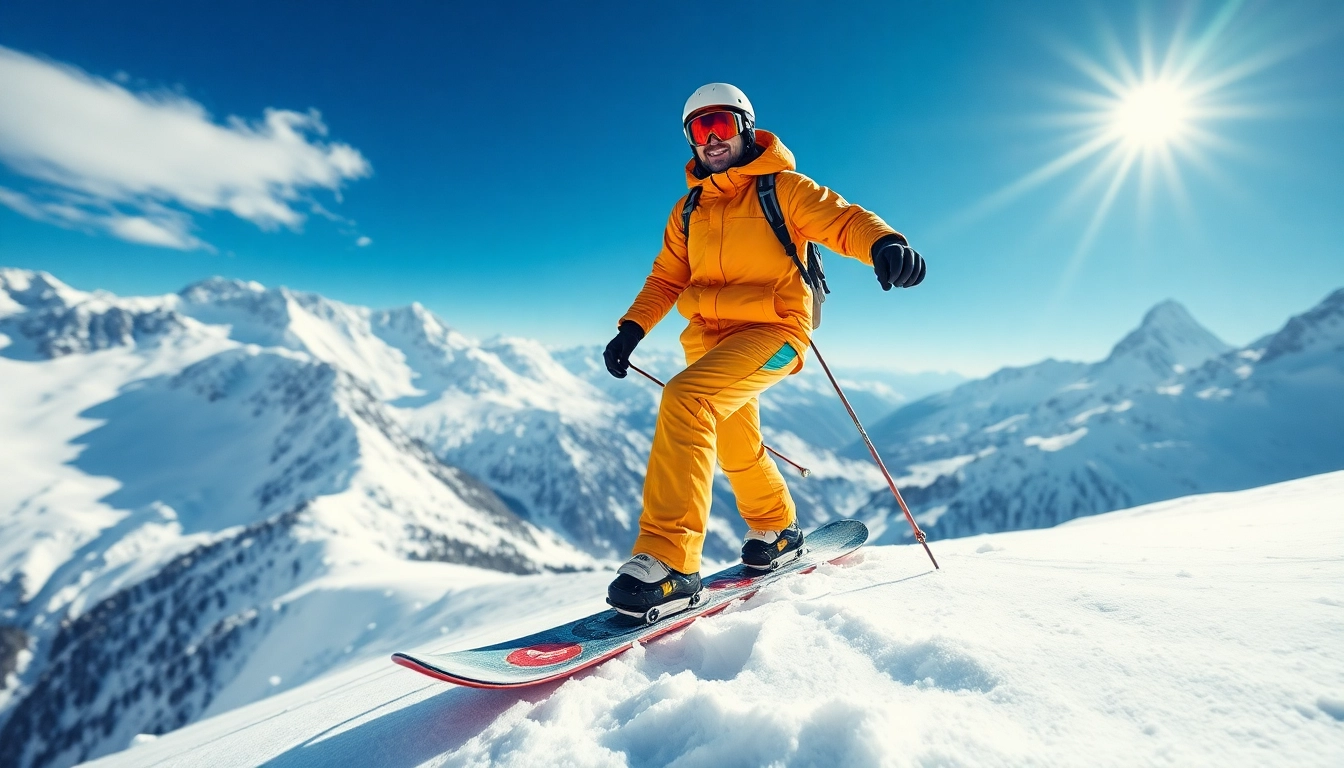
Understanding Splitboarding Basics
What is Splitboarding?
Splitboarding is a unique winter sport that combines aspects of snowboarding and skiing, specifically designed for backcountry exploration. A splitboard operates as a snowboard when descending but can be split into two separate skis for uphill travel, allowing riders to traverse snowy terrain without the need for ski lifts. This versatility caters to adventurers seeking to access remote locations away from crowded resorts, embracing the tranquility and challenges of the backcountry.
How Splitboarding Differs from Snowboarding
While traditional snowboarding primarily focuses on descending slopes, splitboarding employs a different methodology. When utilizing a splitboard, riders transition from a sideways riding stance to a forward-facing position, mimicking the actions of skiing. This change facilitates uphill movement using climbing skins affixed to the base of the splitboard. Once the uphill trek is complete, riders can reassemble their board for the downward ride, effectively blending two disciplines into one exhilarating experience.
Benefits of Splitboarding for Adventurers
The allure of splitboarding lies in the countless benefits it offers to thrill-seekers and nature enthusiasts alike. Firstly, it allows for greater independence and exploration in untouched wilderness, avoiding busy slopes and lift lines. Secondly, splitboarding encourages physical fitness, combining elements of hiking and snowboarding, thus providing a full-body workout. Finally, adventurers often find immense satisfaction in connecting with nature, enjoying breathtaking views, and experiencing the serene beauty of backcountry environments. By embracing splitboarding, riders can deepen their appreciation for winter landscapes while embracing a unique challenge.
Essential Splitboarding Gear
Types of Splitboards
Choosing the right splitboard begins with understanding the different types available. Generally, splitboards can be categorized into two main shapes: directional and twin tip. Directional splitboards are designed for riders who prioritize performance in one direction, making them ideal for powder chasing and steep descents. Conversely, twin tip boards allow for versatile riding, enabling users to ride switch and navigate intricate terrain confidently. Additionally, splitboard lengths and flex vary based on user weight, skill level, and intended use, with stiffer boards providing better stability at high speeds, while softer boards offer more forgiving turns.
Bindings and Skins Explained
Bindings and climbing skins play pivotal roles in enhancing the splitboarding experience. Splitboard bindings come in two types: traditional and hybrid. Traditional bindings allow for a more straightforward split-and-ride process. In contrast, hybrid models can simplify transitioning between climbing and descending modes. Climbing skins, made from materials like mohair or nylon, are affixed to the base of the splitboard to provide grip when ascending steep gradients. Selecting quality skins is crucial, as performance directly influences uphill efficiency and overall enjoyment on the mountain.
Clothing and Safety Equipment
Being properly equipped goes beyond just the splitboard itself. Riders must also consider their clothing and safety gear. Layering is key, employing moisture-wicking base layers, insulating mid-layers, and waterproof outer layers to safeguard against harsh conditions. Accessories such as gloves, goggles, and helmets further ensure comfort and safety during rides. Additionally, avalanche safety gear, including beacons, shovels, and probes, should always be part of your expedition kit, as safety is paramount while navigating remote terrain.
Techniques for Successful Splitboarding
How to Transition from Snowboard to Splitboard
Transitioning from snowboarding to splitboarding involves mastering a few key techniques. Familiarize yourself with switching your stance from a transverse position to a forward-facing one when climbing. Practicing on flat terrain can help build confidence before tackling steeper inclines. Additionally, learn to position your weight effectively over your splitboard to maintain balance when ascending. Developing these skills ensures a smoother transition and enhances your overall enjoyment of the sport.
Climbing Techniques for Splitboarding
When it comes to climbing in splitboarding, various techniques can significantly improve uphill efficiency. One common method is the kick turn, which involves pivoting the board 180 degrees on a steep slope. Practicing this maneuver allows riders to navigate narrow paths and switchbacks effectively. Another key technique is the zigzag approach, where the rider traverses the slope diagonally, maintaining a lower angle of ascent and conserving energy. As with any sport, practice is essential; this will not only refine your technique but also enhance your overall performance and enjoyment.
Riding Downhill: Tips for Safety and Control
Descending on a splitboard can be exhilarating yet challenging. First and foremost, ensure that your bindings are properly engaged to avoid malfunctions. Maintaining a centered stance enhances control, balancing your weight equally towards the front and back. Being aware of your environment is essential, as navigating backcountry terrain involves assessing snow conditions and potential hazards. Lastly, practice controlled turns at varying speeds; familiarity with how your splitboard responds will dramatically improve your riding experience.
Best Locations for Splitboarding
Choosing Ideal Terrain
Understanding how to choose the right terrain is critical for an enjoyable splitboarding experience. Opt for areas that match your skill level and experience; beginners should seek gentler slopes with gradual inclines, while experienced riders may look for steep, challenging terrain. Assessing snow conditions, such as powder depth and avalanche risk, is equally essential, and you should ensure thorough research is conducted before embarking on any adventure. Understanding these variables contributes to a safer and more fulfilling experience in the backcountry.
Popular Splitboarding Destinations
Several regions around the world are renowned for magnificent splitboarding adventures. The Rocky Mountains offer a vast range of terrains, while regions in the Pacific Northwest, with their breathtaking landscapes, provide unique experiences in unpredictable conditions. The Alps, in Europe, stand as a favorite for many splitboarders, offering extensive backcountry options and stunning scenery. When selecting a destination, always consider local guidelines and conditions, as well as accesses to support services.
Seasonal Considerations for Splitboarding
Different seasons provide distinct experiences for splitboarding enthusiasts. Early season conditions may present less stable snowpack, increasing the avalanche risk; conversely, late spring often provides firm conditions that can vary. Winter remains the prime season for optimal powder, but understanding temperature fluctuations is critical. Monitoring weather forecasts and snow conditions is essential to ensure your safety and enjoyment, enabling you to best plan your adventures.
Frequently Asked Questions about Splitboarding
What is the point of splitboarding?
Splitboarding enables riders to explore remote backcountry areas, combining hiking and snowboarding for a unique experience, free from lift lines and crowds.
Can I ride a splitboard at a resort?
Yes, splitboards can be used at resorts, operating as regular snowboards. However, they are primarily designed for backcountry use.
What skills do I need to start splitboarding?
Beginner splitboarders should have basic snowboarding skills, a willingness to learn climbing techniques, and a focus on safety, particularly regarding avalanche awareness.
How do I maintain my splitboard?
Regular maintenance includes cleaning the base, checking bindings, applying wax, and storing it in a cool, dry place during the off-season for longevity.
Is splitboarding safe for beginners?
Splitboarding can be safe for beginners when in suitable terrain with proper instruction, appropriate gear, and safety knowledge, especially regarding avalanche risks.