Understanding the Basics of Commercial HVAC
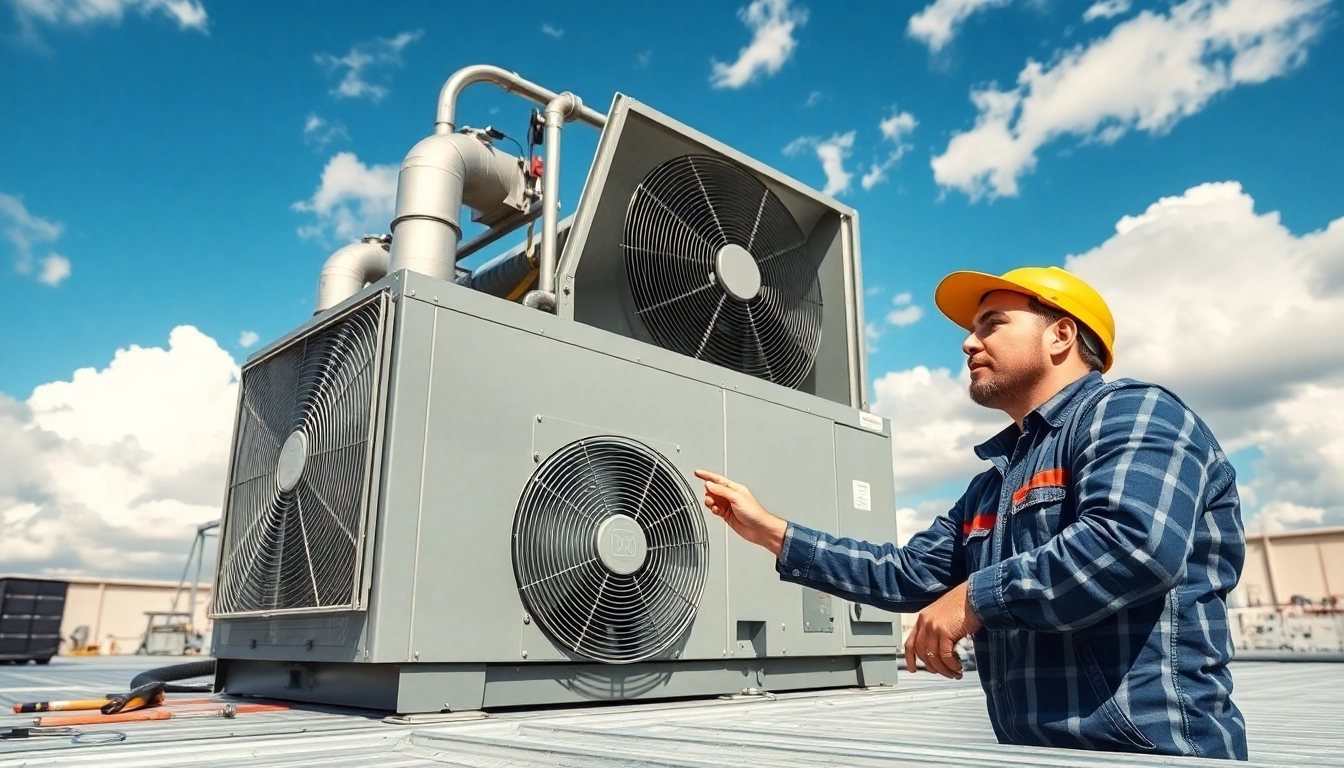
Commercial HVAC (Heating, Ventilation, and Air Conditioning) systems are essential components in providing comfortable working environments in various commercial spaces, from office buildings to retail shops. These systems play a vital role in regulating indoor air quality (IAQ) and temperature. Understanding the fundamentals of commercial HVAC systems allows business owners and facility managers to make informed decisions about installation, maintenance, and upgrades. commercial hvac systems are not only about comfort; they encompass various technologies designed to enhance efficiency and performance.
Components of Commercial HVAC Systems
A commercial HVAC system is comprised of several key components, each playing a distinct role in maintaining indoor air quality and comfort. These components include:
- Heating Units: These may involve boilers or furnace units that generate heat for the building. The choice between electric, gas, or hydronic heating systems often depends on the nature of the commercial space and local regulations.
- Air Conditioning Units: Commercial air conditioning units come in several types, including split systems, centralized systems, and packaged units. The effectiveness of these systems can significantly influence energy consumption levels.
- Ventilation Systems: Proper ventilation is crucial for maintaining indoor air quality. HVAC systems utilize both natural and mechanical ventilation methods to ensure fresh air circulation.
- Ductwork: This network of ducts is responsible for distributing heated or cooled air throughout the commercial space. Insulation and sealant quality can greatly impact system efficiency.
- Control Systems: Thermostats and computer systems allow for automated control of heating, cooling, and ventilation processes, optimizing comfort and energy usage.
How Commercial HVAC Differs from Residential Systems
While both residential and commercial HVAC systems aim to provide thermal comfort, they differ in several aspects:
- Size and Capacity: Commercial HVAC systems are typically larger and more complex, designed to handle the demands of larger spaces and higher occupancy levels.
- Complexity: Commercial systems often incorporate multiple zones, requiring sophisticated controls to manage heating and cooling across different areas of a building.
- Installation Practices: Professionals must adhere to stricter codes and regulations when installing commercial HVAC systems, considering factors like building codes and industry-specific standards.
- Energy Efficiency Standards: Commercial systems are often subject to more rigorous energy efficiency requirements due to their larger impact on overall energy consumption.
Importance of Proper Sizing and Design
Correct sizing and design are critical in the performance of commercial HVAC systems. If a system is too small, it will fail to meet the heating and cooling loads, resulting in discomfort and increased wear. Conversely, oversized systems can lead to short cycling, inefficiencies, and increased energy costs. Factors to consider for optimal sizing include:
- Building Layout and Usage: Understanding the building’s design and how spaces are utilized enables accurate load calculations.
- Local Climate and Weather Patterns: HVAC systems must be designed to handle specific climate conditions prevalent in the location.
- Insulation Levels: The quality and extent of insulation impact heating and cooling needs significantly.
Common Challenges in Commercial HVAC
Even the best-designed commercial HVAC systems face challenges that can affect performance and cost-effectiveness. Recognizing and addressing these challenges early can prevent costly repairs and operational downtimes.
Identifying Inefficiencies in System Performance
One of the most significant challenges in commercial HVAC systems is identifying inefficiencies. Common signs include inconsistent temperatures, high energy bills, and frequent repairs. Regular performance evaluations, including air flow measurements and energy audits, are critical to discover inefficiencies. Implementing energy management systems can track performance and pinpoint areas for improvement.
Dealing with Complex Installation Issues
Installation complexities are prevalent, particularly in retrofitting older buildings with modern HVAC systems. Existing structures sometimes lack the necessary space or infrastructure for efficient ductwork and vent configurations. Engaging experienced professionals and engineers familiar with the site can mitigate these issues and facilitate a smoother installation process.
Cost Management and Budget Constraints
Cost management is crucial, especially for large installations. While investing in high-efficiency systems can lead to long-term savings, upfront costs can be daunting. Creating a comprehensive budget that includes installation, maintenance, and potential operational costs helps in making informed decisions. Seeking government incentives or rebates for energy-efficient upgrades can also alleviate financial pressures.
Best Practices for Commercial HVAC Maintenance
Regular maintenance is paramount for ensuring that commercial HVAC systems operate efficiently and effectively. Implementing a proactive maintenance strategy not only extends equipment life but also improves indoor air quality.
Regular Inspection and Preventive Maintenance
A routine inspection schedule allows for early identification of potential problems. Preventive maintenance tasks include cleaning or replacing filters, inspecting ductwork, and calibrating thermostats. These tasks help ensure optimal performance and energy efficiency.
Utilizing Technology for Monitoring and Control
Modern commercial HVAC systems often incorporate smart technology, enabling remote monitoring and control. Building Management Systems (BMS) allow facility managers to track system performance in real-time, turn systems on or off remotely, and receive alerts on system failures or maintenance needs. This technology contributes to enhanced energy efficiency and reduced operational costs.
Choosing the Right Maintenance Service Provider
Selecting a competent HVAC service provider is essential for effective maintenance. Professionals should be licensed and experienced in commercial systems. Establishing a long-term partnership with a quality service provider ensures regular oversight and prompt attention to maintenance issues.
Energy Efficiency in Commercial HVAC
Emphasizing energy efficiency in commercial HVAC systems is a critical aspect of reducing operational costs while promoting sustainability. Businesses that prioritize energy efficiency not only save on energy bills but also contribute to environmental conservation.
Benefits of High-Efficiency Equipment
Investing in high-efficiency commercial HVAC systems pays dividends in energy savings and reduced greenhouse gas emissions. While the initial investment may be higher, the return on investment can be significant over time due to lower energy consumption.
Incorporating Smart Technology Solutions
Smart HVAC technologies, such as IoT-enabled devices and intelligent thermostats, optimize energy use by automatically adjusting settings based on occupancy or weather patterns. These smart solutions enhance comfort while ensuring that energy waste is minimized.
Evaluating Energy Consumption and Costs
Regular evaluations of energy consumption data can help identify potential savings. By analyzing energy bills and usage patterns, businesses can discover discrepancies and opportunities to decrease costs through better operational practices or system upgrades.
Future Trends in Commercial HVAC
The commercial HVAC landscape is continually evolving, driven by technological advances and changing regulatory requirements. Staying informed about future trends can help businesses remain competitive and efficient.
Impact of Sustainability Regulations
As sustainability regulations become more stringent, commercial buildings must adapt to comply with legal standards regarding energy efficiency and emissions. Staying informed about these regulations can help businesses avoid penalties and improve public perception by demonstrating environmental responsibility.
Innovations in HVAC Technologies
Continuous innovations in HVAC technology are reshaping the industry. Developments such as variable refrigerant flow systems and enhanced air filtration methods represent just a few of the advancements that promise increased efficiency and better air quality.
Preparing for Changes in Market Demands
Market demands are influenced by various factors, including public health awareness and energy scarcity. Businesses must prepare to adapt their HVAC solutions to align with these changing demands, ensuring that their systems can handle fluctuations in occupancy and usage patterns efficiently.
Frequently Asked Questions (FAQs)
What is a commercial HVAC system?
A commercial HVAC system refers to heating, ventilation, and air conditioning solutions designed for commercial buildings, ensuring indoor comfort and air quality.
How often should commercial HVAC systems be maintained?
Regular maintenance should be conducted at least twice a year, typically in spring and fall, to prepare for seasonal changes.
What are the signs of an inefficient HVAC system?
Common indicators include inconsistent temperatures, increased energy bills, frequent repairs, and poor indoor air quality.
Can smart technology enhance HVAC efficiency?
Yes, smart technology, such as IoT devices, can optimize energy use by adjusting settings based on real-time data for better efficiency and comfort.
Why is proper sizing critical in HVAC systems?
Proper sizing ensures systems adequately meet heating and cooling needs, preventing discomfort and inefficiencies due to oversized or undersized equipment.