Introduction
In modern construction and infrastructure projects, the demand for durable, efficient, and sustainable storage solutions is increasing. Among the innovative solutions available today, geocellular storage tanks stand out for their superior load-bearing capacity, environmental adaptability, and long-term performance. Designed to store water, stormwater, and other liquids, these tanks provide a reliable solution for both residential and commercial applications. By integrating advanced geocellular technology, these storage tanks not only manage water efficiently but also contribute to structural stability in challenging environments.
What Are Geocellular Storage Tanks?
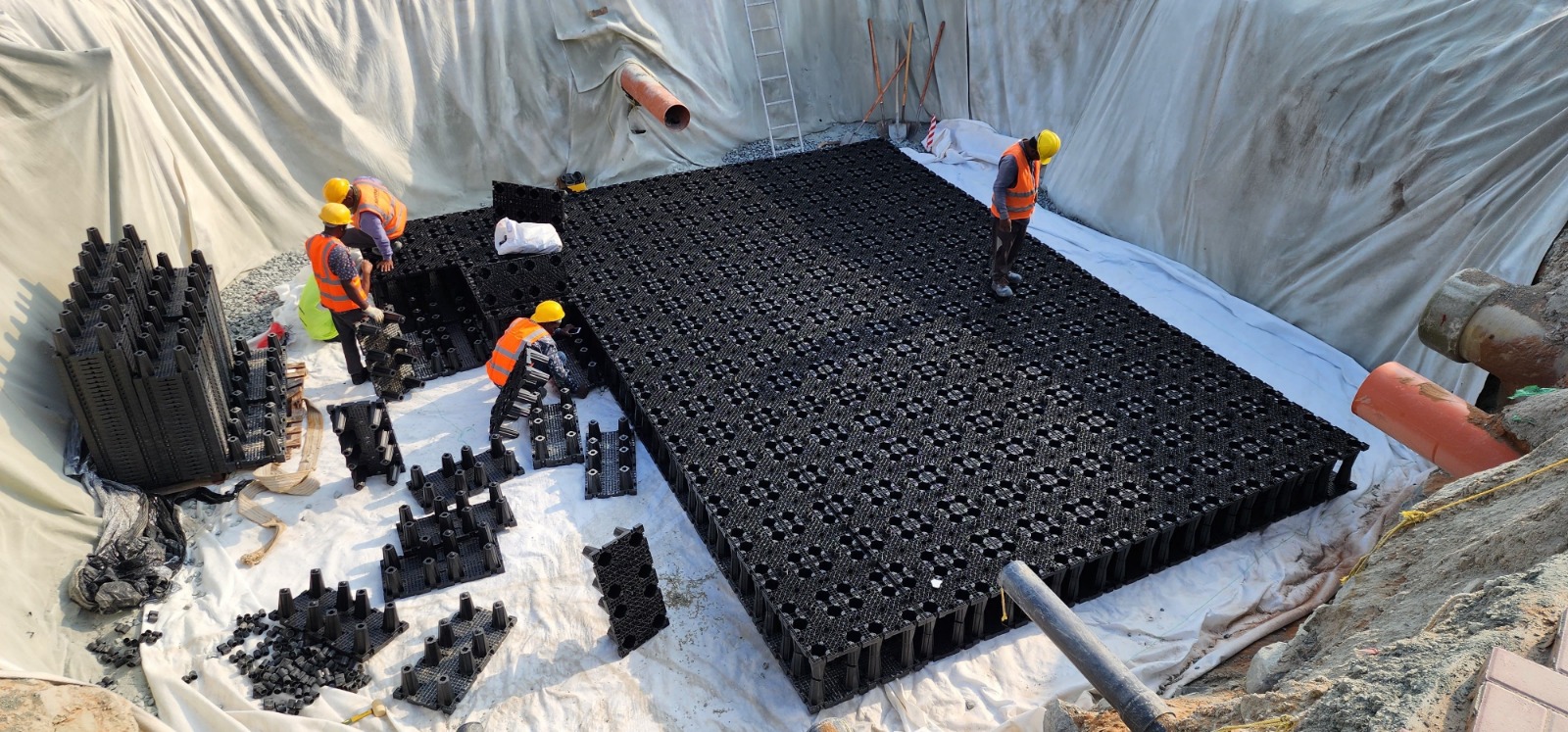
Geocellular storage tanks are modular structures made from high-density plastic or composite materials. They are designed to mimic a cellular structure, providing exceptional strength and rigidity while maintaining lightweight properties. Unlike traditional storage tanks, geocellular designs allow for easy installation underground or in locations with limited space, making them ideal for urban developments. The cellular design also distributes loads evenly, significantly enhancing the tank’s ability to withstand heavy pressures from above, such as vehicular traffic or building foundations.
Superior Load-Bearing Capacity
One of the key advantages of geocellular storage tanks is their superior load-bearing capacity. The interconnected cellular structure provides exceptional resistance against compression, which is crucial for tanks installed beneath roads, parking lots, or industrial facilities. This design ensures that the tanks maintain their shape and functionality even under high-pressure conditions, preventing collapse or deformation over time. The high load-bearing capacity of geocellular tanks makes them a preferred choice for engineers and construction professionals who require both durability and reliability in their infrastructure projects.
Environmental Benefits
Beyond their structural advantages, geocellular storage tanks offer notable environmental benefits. By allowing for underground water storage, these tanks help reduce surface water runoff, mitigating flood risks and promoting groundwater recharge. Additionally, the modular and recyclable materials used in geocellular construction contribute to sustainable building practices. Their ability to efficiently manage stormwater also supports urban drainage systems, reducing the burden on municipal infrastructure while maintaining environmental compliance.
Applications of Geocellular Storage Tanks
Geocellular storage tanks are versatile and can be applied across a wide range of scenarios:
- Urban infrastructure: These tanks can be installed beneath roads, sidewalks, and public spaces to manage stormwater and prevent flooding.
- Commercial projects: Shopping centers, office complexes, and industrial facilities benefit from geocellular tanks for water storage and load management.
- Residential developments: Housing projects can integrate geocellular storage tanks to optimize water usage and drainage without compromising land aesthetics.
- Agriculture and irrigation: Farms and agricultural facilities can use these tanks to store rainwater or irrigation supplies efficiently.
Installation and Maintenance
Installing geocellular storage tanks is straightforward due to their modular design. Sections can be quickly assembled on-site, reducing construction time and labor costs. Once installed, these tanks require minimal maintenance thanks to their durable materials and corrosion-resistant properties. Regular inspection ensures longevity, but unlike conventional tanks, geocellular designs are highly resilient against ground movements and environmental stressors, reducing the need for costly repairs or replacements.
Cost-Effectiveness
Although the initial investment in geocellular storage tanks may be higher than traditional tanks, their long-term benefits make them a cost-effective solution. Reduced maintenance costs, high durability, and enhanced load-bearing capacity translate into significant savings over the lifespan of the installation. Moreover, the ability to install tanks underground allows developers to maximize usable land space, further enhancing the return on investment.
Design Flexibility
Another strength of geocellular storage tanks is their design flexibility. These tanks can be customized to fit specific site requirements, including depth, capacity, and load-bearing needs. This adaptability ensures that both large-scale infrastructure projects and smaller residential installations can benefit from geocellular technology. Their modular construction also allows for future expansion if storage needs increase, providing a scalable solution for dynamic projects.
Conclusion
Geocellular storage tanks represent a significant advancement in water storage and infrastructure design, offering unmatched load-bearing capacity, durability, and environmental benefits. Their modular design ensures easy installation, minimal maintenance, and adaptability to a wide range of applications, from urban development to agricultural projects. By choosing geocellular storage tanks, engineers, developers, and property owners can ensure long-term reliability, cost efficiency, and sustainable water management. These innovative tanks not only meet current infrastructure needs but also future-proof projects against growing environmental and urban challenges, making them an essential component of modern construction and development strategies.