
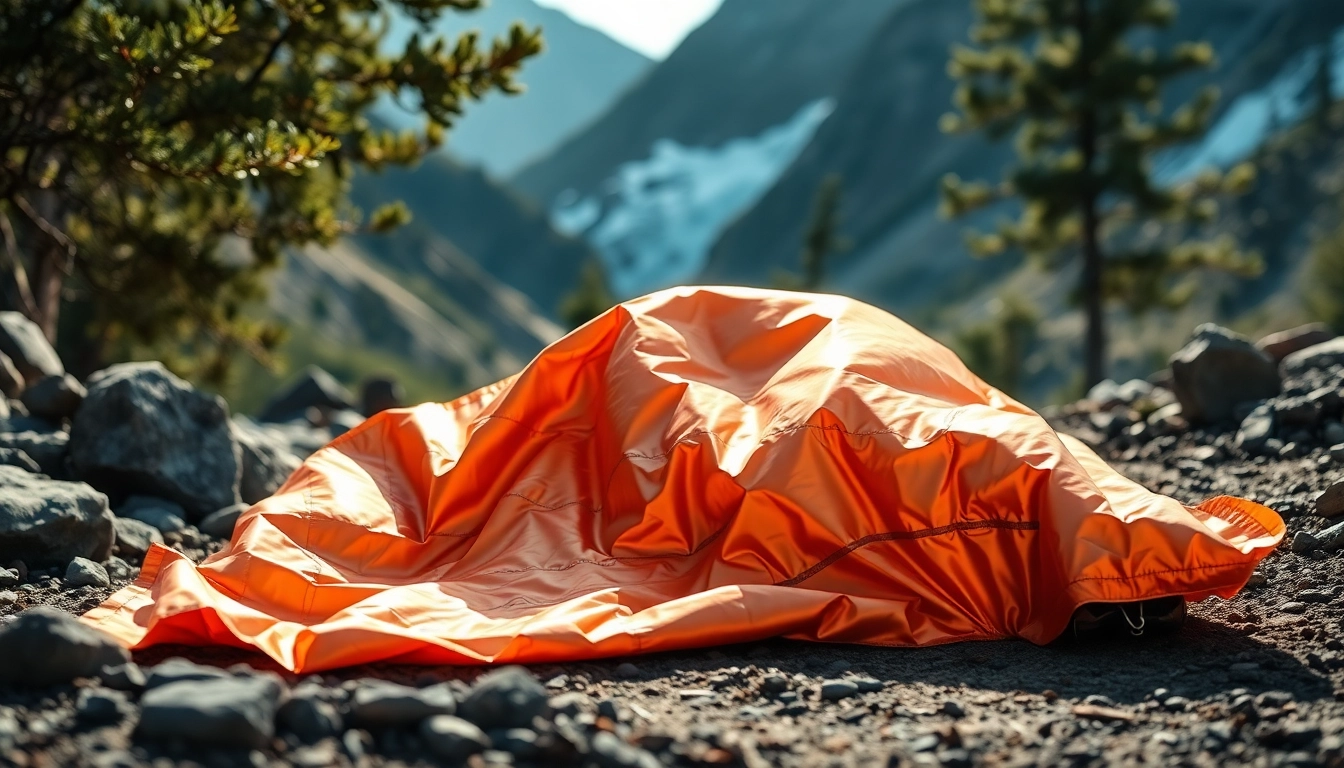
The Importance of an Emergency Blanket
An emergency blanket is an essential item for anyone who enjoys outdoor adventures or is concerned about preparedness in unexpected situations. Lightweight and compact, these blankets play a crucial role in maintaining body heat and ensuring safety during emergencies. Understanding their features, appropriate usage, and benefits can empower you to make the best choice for your needs. In this guide, we will delve into the various aspects of an emergency blanket, helping you recognize why it’s a vital addition to your survival gear.
Understanding Emergency Blanket Features
Emergency blankets, often called space blankets, are typically made from a thin layer of plastic material that reflects heat. Originally developed by NASA in the 1960s for space missions, these blankets are designed to retain a significant portion of body heat. Key features include:
- Material: Most emergency blankets are produced from Mylar or similar aluminized materials, which are both lightweight and durable.
- Size: Commonly available in various sizes, they can cover an individual or be used for multiple people.
- Heat Retention: Emergency blankets can reflect up to 90% of body heat back, making them exceptionally effective in cold conditions.
- Water Resistance: Many blankets provide a waterproof barrier, helping to protect against moisture in adverse weather.
Situations Requiring an Emergency Blanket
Understanding when to deploy an emergency blanket is critical for effective use:
- Outdoor Emergencies: Hiking, camping, or any outdoor sports may expose you to sudden weather changes.
- Natural Disasters: During hurricanes, floods, or blizzards, access to warmth and shelter can be lifesaving.
- Home Emergencies: Power outages in cold climates can turn a warm home into a chilly environment within hours, necessitating immediate warmth solutions.
Benefits of Using an Emergency Blanket
Utilizing an emergency blanket can provide numerous advantages:
- Portability: Lightweight and easily foldable, they can fit into small bags or emergency kits.
- Affordability: Generally low-cost, these blankets represent a small investment for substantial safety benefits.
- Diverse Uses: Beyond warmth, they can serve as ground cover, shelter, signaling devices, or even improvised stretchers.
Types of Emergency Blankets
Mylar Emergency Blanket Characteristics
Mylar emergency blankets, also known as space blankets, are popular due to their reflective properties and lightweight design. They are typically made from a thin layer of Mylar polymer, which allows them to effectively unit heat while remaining flexible and easy to pack. These blankets can serve multiple purposes, ensuring you are prepared for various scenarios, including hypothermia prevention.
Heavy-Duty Emergency Blanket Options
For those seeking something more robust, heavy-duty emergency blankets offer additional durability and insulation. These blankets are resistant to tearing and puncturing, which is vital during rough use. Heavy-duty options may also incorporate thicker materials to provide better heat retention, making them suitable for extreme conditions such as mountain activities or extended outdoor stays.
Reusable Emergency Blanket Insights
Reusable emergency blankets are particularly effective for those who frequently find themselves in outdoor scenarios. Unlike standard Mylar blankets, these can withstand multiple uses and washes. Some reusable blankets are designed with higher-quality materials, offering better insulation and longevity, which could ultimately save money in the long run.
How to Properly Use an Emergency Blanket
Best Practices for Emergency Blanket Setup
To maximize the effectiveness of an emergency blanket, follow these best practices:
- Unfold the blanket fully to minimize air gaps that might reduce heat retention.
- If using with multiple people, wrap the blanket around individuals closely to enhance warmth.
- Consider placing an insulating layer, like a sleeping pad or clothing, between you and the ground to prevent heat loss.
Common Mistakes to Avoid
While emergency blankets are simple to use, certain common mistakes can hinder their effectiveness:
- Ignoring Wind Conditions: Position the reflective side towards your body to trap heat but also shield yourself from wind exposure.
- Improper Storage: Failure to fold or pack the blanket properly can lead to tears; always handle them with care.
- Neglecting Cleanliness: Contaminated blankets can pose safety risks when reused, so ensure they are clean and undamaged after use.
Storing Your Emergency Blanket Effectively
Storing your emergency blanket properly is essential for its longevity and usability:
- Keep the blanket in a dry, cool place, away from direct sunlight to prevent degradation.
- Avoid folding it precisely each time to minimize creasing, instead roll or loosely pack it to preserve its integrity.
- Consider storing it in a dedicated emergency kit for easier access when needed.
Where to Buy Quality Emergency Blankets
Understanding Price Ranges for Emergency Blankets
Prices for emergency blankets can vary based on material, size, and purpose. Basic Mylar blankets may cost as little as $1 to $5, while heavy-duty options or multi-pack purchases can range from $20 to $50. Evaluating how much you are willing to invest depends on the frequency of use and specific needs for your situations.
Evaluating Quality Before Purchase
When purchasing an emergency blanket, quality assessments are crucial:
- Look for user reviews or ratings to gauge how well a blanket performs in real-world situations.
- Check for certifications or brand reputations to ensure you choose a reliable product that meets safety standards.
Online vs. In-Store Purchase Considerations
Deciding whether to buy online or in-store can impact your choice:
- Online shopping offers convenience and the ability to compare various products easily.
- In-store purchases allow for direct examination of the product before buying, ensuring you’re satisfied with the material.
Frequently Asked Questions about Emergency Blanket
What is an emergency blanket made of?
An emergency blanket is made typically from a thin layer of Mylar, a reflective plastic that is lightweight, durable, and capable of retaining body heat efficiently.
How does an emergency blanket work?
These blankets work by reflecting back body heat, hence preventing heat loss in cold environments, which is vital during emergency situations like hypothermia.
Can I reuse an emergency blanket?
Yes, many Mylar emergency blankets can be reused 2-3 times if handled carefully. Heavy-duty versions may last for several uses before needing replacement.
How should I store my emergency blanket?
Store your emergency blanket in a cool, dry place, away from sunlight and moisture. Rolling or loosely packing it can prevent creasing and damage.
What is the best emergency blanket for outdoor use?
A heavy-duty emergency blanket with good heat retention and water resistance is ideal for outdoor use, especially in extreme weather conditions.