
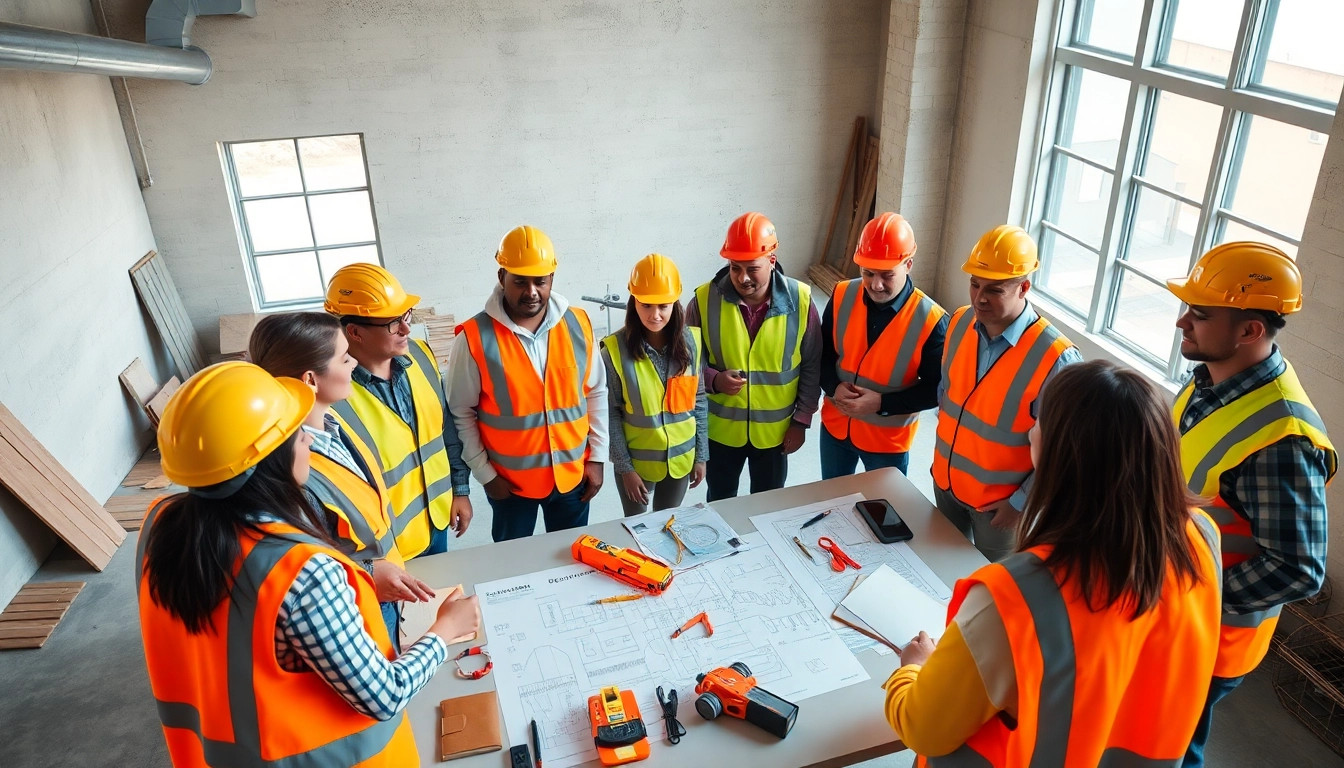
Understanding Construction Safety Training
What Is Construction Safety Training?
Construction safety training refers to the educational process designed to equip workers in the construction industry with the knowledge, skills, and competencies necessary to perform their duties safely. This training encompasses a variety of topics, including hazard recognition, personal protective equipment (PPE) usage, safety protocols, and emergency response procedures. Offering construction safety training ensures that employees are prepared to mitigate risks, protect themselves, and foster a safer working environment.
Importance of Construction Safety Training
The construction industry is known for its rigorous and often hazardous work environment. Construction safety training serves a fundamental role in preventing accidents and injuries, which can have dire consequences for workers and substantial financial impacts on companies. By engaging workers in safety education, organizations can significantly reduce the frequency of incidents, enhance worker morale, and instill a culture of safety that transcends mere compliance.
Target Audience for Construction Safety Training
Construction safety training is essential for everyone involved in a construction project. This includes, but is not limited to, general laborers, skilled tradespeople, supervisors, project managers, and subcontractors. Different roles may require specialized training related to specific tasks or equipment, such as scaffolding, electrical work, or heavy machinery operation. Therefore, understanding the targeted audience for safety training is crucial in devising tailored programs that address the distinct needs of each group.
Key Components of Effective Training Programs
Topics Covered in Construction Safety Training
Effective construction safety training programs cover a wide range of topics essential for promoting workplace safety. Key topics typically include:
- Hazard communication and identification
- Use of personal protective equipment (PPE)
- Scaffold safety and inspections
- Fall prevention and protection techniques
- Tool and equipment safety
- Ergonomics to prevent musculoskeletal injuries
- Emergency procedures and first aid
- Understanding of regulatory standards (e.g., OSHA)
This comprehensive approach to covering diverse topics ensures that workers are well-rounded in their safety knowledge, minimizing risks across various situations.
Methods for Delivering Construction Safety Training
The delivery of construction safety training can employ a variety of methods to engage learners effectively. Such methods include:
- In-person workshops and seminars
- Hands-on training sessions in controlled environments
- Online training modules and e-learning
- Webinars and virtual classrooms
- Safety drills and scenario-based practice
Utilizing a combination of these methods caters to diverse learning styles, keeps the training engaging, and helps reinforce the application of safety principles.
Utilizing Technology in Construction Safety Training
Advancements in technology are making significant strides in enhancing construction safety training. The use of virtual reality (VR), augmented reality (AR), and interactive simulations allows trainees to experience real-life scenarios in a safe environment, promoting better retention of safety concepts. Online platforms also provide access to a wider array of resources and materials, enabling participants to learn at their own pace and revisit content as needed. The integration of technology thus transforms traditional training into a dynamic and impactful learning experience.
Implementing Construction Safety Training in Your Workplace
Assessing Your Workplace Needs
Before implementing a construction safety training program, a thorough assessment of the workplace is vital to identify specific hazards and training needs. Conducting regular safety audits, analyzing incident reports, and gathering employee feedback are practical methods to gauge the environment’s unique requirements. This assessment ensures that the training provided is relevant and tailored to the actual risks faced by workers in that particular setting.
Creating a Training Plan for Construction Safety
Developing an effective training plan involves outlining clear objectives, selecting appropriate training methods, and establishing a schedule. The training plan should be designed to address the previously identified needs and include measurable outcomes to evaluate its success. Additionally, consideration should be given to the frequency of training sessions, particularly for new employees or when significant changes in processes or equipment occur.
Monitoring and Evaluating Training Effectiveness
To ensure that construction safety training is effective, monitoring and evaluation are crucial. This can be achieved through various methods, including:
- Pre-and post-training assessments to measure knowledge gain
- Observation of on-site behavior to ensure adherence to safety protocols
- Collecting feedback from participants to assess engagement and comprehension
- Analyzing incident rates before and after training implementation
Evaluating training effectiveness allows for continuous improvement of programs, ensuring that they remain relevant and impactful.
Common Challenges and Solutions in Construction Safety Training
Overcoming Employee Resistance to Training
One significant challenge in implementing construction safety training is employee resistance. Workers may view safety training as a time-consuming obligation rather than a valuable opportunity. To overcome this resistance, it’s essential to communicate the benefits clearly: improved safety, reduced injury risk, and enhanced efficiency. Engaging employees through interactive methods and sharing success stories can also foster a more positive attitude toward training.
Adapting Training for Diverse Workforces
Construction sites often employ a diverse workforce, including individuals from various cultural and educational backgrounds. Tailoring training content to meet the diverse needs of the workforce is necessary to ensure effective learning. Utilizing multilingual resources, incorporating visuals, and providing context for safety practices can help bridge cultural gaps and enhance understanding among all workers.
Ensuring Compliance with Regulatory Standards
Staying compliant with ever-evolving regulations and standards can be a daunting task for construction companies. Regularly reviewing compliance requirements and integrating them into training materials is crucial. Consulting with safety professionals and utilizing resources from regulatory agencies can provide the necessary guidance to maintain compliance and ensure that all training programs meet industry standards.
Future Trends in Construction Safety Training
Integrating Virtual Reality in Construction Safety Training
Virtual reality is poised to revolutionize construction safety training by creating immersive, interactive environments where workers can learn about hazards and safety protocols without real-world consequences. By simulating real-life scenarios, trainees gain hands-on experience that reinforces learning and builds confidence in their ability to respond appropriately to emergency situations.
Emphasizing Mental Health in Construction Safety Training
Mental health is an often-overlooked aspect of safety training. Recognizing the high-stress levels associated with construction work, future training programs must incorporate mental health awareness, stress management techniques, and resources for seeking help. Providing support for mental well-being enhances overall workplace safety and promotes a positive culture.
The Role of Continuous Learning in Construction Safety
Continuous learning is vital in maintaining safety awareness in an industry where practices, regulations, and technologies are constantly evolving. Providing ongoing training opportunities, refresher courses, and access to the latest safety resources will keep workers informed and engaged. Cultivating a culture of continuous safety learning strengthens the commitment to workplace safety and keeps it at the forefront of employees’ minds.
FAQs
What is the primary goal of construction safety training? The primary goal is to educate workers about safety practices to prevent accidents and injuries on the job site.
Who should attend construction safety training? All employees involved in construction work, including managers and subcontractors, should attend to ensure a safer work environment.
How often should construction safety training be held? Training should occur regularly, ideally at least annually, and whenever workplace conditions or hazards change.
Are there certifications available for construction safety training? Yes, many organizations offer safety training certifications that can enhance compliance and workforce competency.
What measures can improve engagement in safety training? Interactive elements, real-life scenarios, and technological integration can significantly engage participants and improve retention.