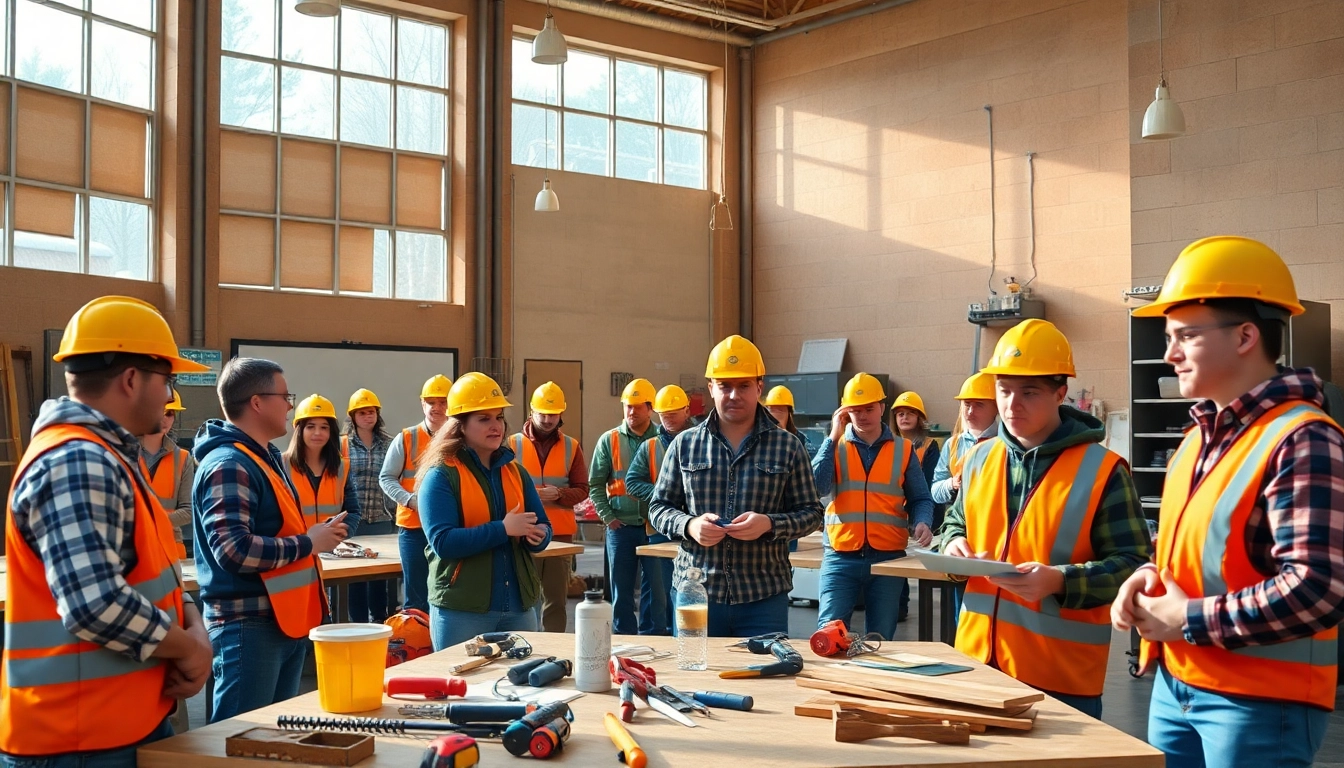

Understanding Skilled Trades Training
As industries evolve and job markets transform, the importance of skilled trades training has become increasingly evident. Skilled trades refer to specialized fields that require technical expertise and hands-on experience. These professions often involve manual work in fields such as construction, manufacturing, and service industries, making them essential to our economy.
What are Skilled Trades?
Skilled trades encompass a variety of professions that require specific training and qualifications. Examples include electricians, plumbers, carpenters, HVAC technicians, and welders. These roles often necessitate an understanding of complex systems and the ability to troubleshoot problems effectively. Unlike standard office jobs, skilled trades typically involve physical work, clear problem-solving, and practical implementation of learned skills.
The Importance of Skilled Trades Training
Skilled trades training is vital for numerous reasons. First and foremost, it equips individuals with the necessary abilities to perform specialized tasks that are in high demand across the globe. This training is instrumental in addressing the skills gap in various industries, ensuring that there are qualified workers to meet industry needs. Furthermore, skilled trades provide individuals with opportunities for growth, stability, and continual advancement in their careers.
Common Misconceptions
Despite the growing importance of skilled trades, several misconceptions persist. A prevalent belief is that these jobs are low-status or unworthy compared to white-collar careers. However, skilled trades often offer significant earning potential and job satisfaction. Additionally, some assume that pursuing these careers does not require extensive education, which overlooks the rigorous training and certifications many skilled tradespeople must obtain.
Pathways to Enter Skilled Trades
Educational Requirements
Entering the skilled trades sector typically requires a mix of formal education and practical experience. Many trades demand a high school diploma or equivalent, followed by specialized courses, workshops, or vocational training. Some technical schools offer programs specifically tailored for different trades, focusing on both theoretical knowledge and hands-on skills.
Apprenticeships Explained
Apprenticeships hold particular significance in the skilled trades, combining on-the-job training with classroom instruction. These programs allow trainees to work alongside experienced professionals, gaining invaluable insights and expertise while earning a wage. Apprenticeships can last anywhere from one to five years, depending on the trade and the specific program, providing a structured pathway into skilled professions.
Certification and Licensing
Many skilled trades require additional steps in the form of certification or licensing. This ensures that practitioners meet established standards set by regulatory organizations. Certification often involves completing specific coursework, passing exams, and demonstrating proficiency in the field. Licensing varies by region and trade, but it serves to validate an individual’s competencies and enhance job prospects.
Benefits of Skilled Trades Training
Job Security and Demand
The demand for skilled trades professionals is robust and growing. With many experienced tradespeople retiring, industries face a critical shortage of qualified workers. This ongoing demand translates into job security for those who choose to pursue skilled trades training. Job opportunities often exist in various sectors, including healthcare, renewable energy, and manufacturing, making a skilled trades career an attractive option.
Hands-On Experience
One of the most significant benefits of skilled trades training is the emphasis on hands-on experience. Unlike traditional education that often focuses on theorizing, skilled trades training emphasizes practical applications. This active learning environment helps students build confidence and competence, enabling them to tackle real-world challenges effectively.
Competitive Salaries
Skilled trades jobs frequently offer competitive salaries that can surpass or equal those in white-collar sectors. As skilled trades professionals develop their expertise through experience, they can command higher wages. Additionally, specialized areas within trades—such as plumbing or electrical work—can provide even more lucrative earning potential, reflecting the high value of these skills in the marketplace.
Challenges in Skilled Trades Training
Physical Demands of the Job
While skilled trades offer many advantages, they also come with inherent challenges. Many trades require physical stamina and strength due to the nature of the work involved. This can deter some individuals from pursuing this path, particularly those who may not be accustomed to manual labor. However, with proper training and conditioning, individuals can adapt to these physical demands over time.
Investment of Time and Resources
Skilled trades training requires a substantial investment of time and resources. Candidates must be prepared for rigorous training schedules, potential costs for tuition, and necessary materials. Furthermore, the commitment to becoming proficient in a trade may take years, making it a long-term investment. However, many find that this investment pays off in the form of job security and significant earning potential.
Stigma Around Blue-Collar Jobs
There exists a societal stigma surrounding blue-collar professions, leading many to overlook skilled trades as viable career options. This perception can discourage young individuals from pursuing trades due to concerns about prestige and status. Educating the public about the importance and benefits of skilled trades is crucial for changing these outdated views and encouraging a new generation to appreciate these essential careers.
Future Trends in Skilled Trades
Emerging Technologies
As technology continues to evolve, so does the nature of skilled trades. Emerging technologies such as automation, artificial intelligence, and smart tools are transforming how tradespeople work. Future professionals will need to adapt to these changes through ongoing training and education, ensuring they remain competitive within the job market. This shift towards technology integration will create opportunities for innovation and improve efficiencies in various trades.
Green Jobs and Sustainability
With a growing emphasis on sustainability, the demand for green jobs within skilled trades is on the rise. Roles such as solar panel installers, green architects, and energy-efficient home builders are becoming increasingly prominent as society shifts towards environmentally friendly practices. Training programs are evolving to incorporate green skills, preparing future workers to meet these new demands while also contributing to sustainability efforts.
Advancements in Training Techniques
Training techniques for skilled trades are evolving, utilizing advancements in technology and pedagogical strategies. Virtual reality (VR) and augmented reality (AR) are beginning to play vital roles in training for various skilled professions. These techniques allow trainees to simulate real-life scenarios, providing risk-free environments to develop skills and enhance learning outcomes. Such innovations hold the potential to revolutionize apprenticeships and trade programs, making them more effective and engaging.
Frequently Asked Questions
What careers can I pursue after skilled trades training?
After skilled trades training, you can pursue careers in plumbing, electrical work, carpentry, and HVAC, among others.
How long does skilled trades training take?
Skilled trades training can vary from a few months to several years, depending on the specific trade and program requirements.
Are there financial aid options available?
Yes, many programs offer financial aid, scholarships, and grants to help offset training costs in skilled trades.
What is the job outlook for skilled trades?
The job outlook for skilled trades is generally strong, with many industries experiencing a shortage of qualified workers.
Can I specialize in a certain trade?
Yes, skilled trades offer opportunities for specialization, allowing you to focus on areas like electrical systems or plumbing technologies.