
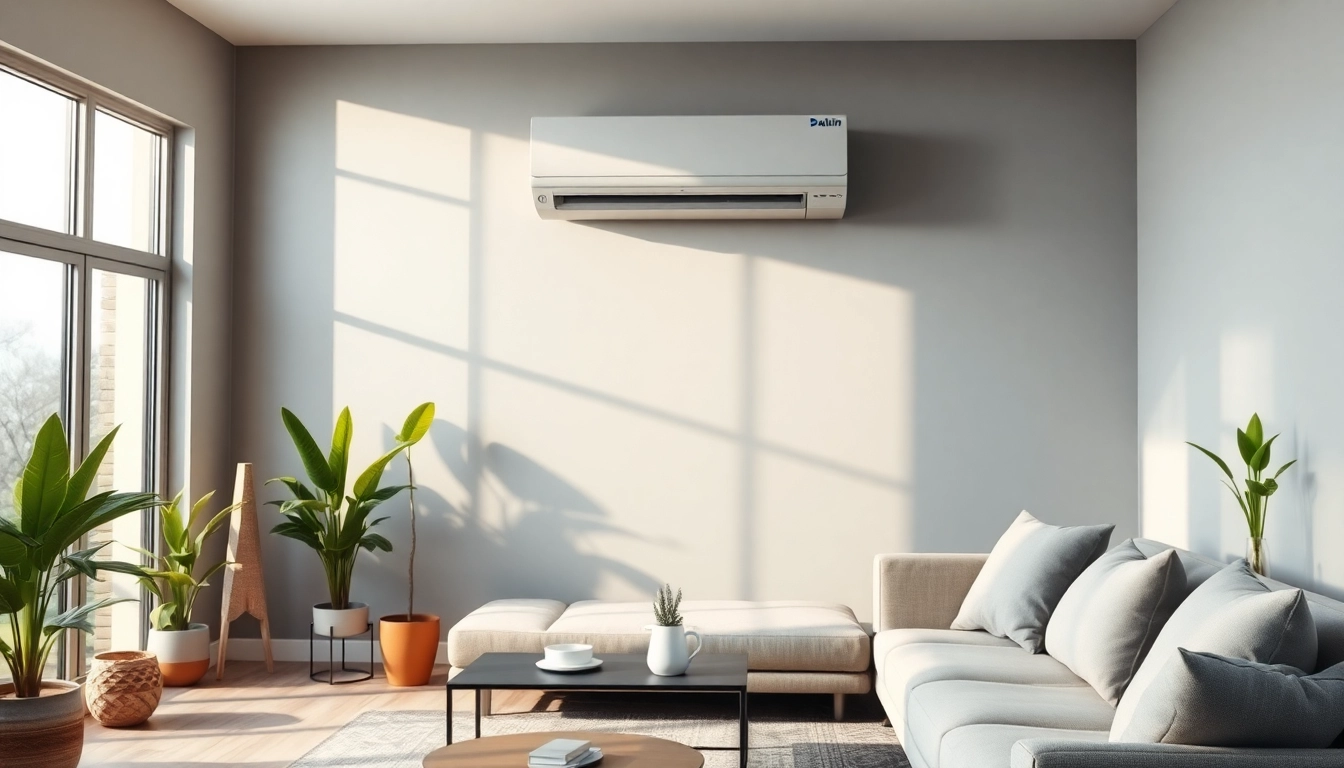
1. Introduction to the Daikin Mini Split AC
In the quest for optimal home comfort, air conditioning systems play a pivotal role, especially in regions with extreme temperatures. Among the most innovative options available today is the daikin mini split ac. This system not only cools indoor spaces efficiently but also offers a range of benefits that set it apart from traditional air conditioning systems. In this comprehensive guide, we will explore the functionalities, benefits, installation processes, maintenance tips, and frequently asked questions about Daikin mini split AC units.
1.1 What is a Mini Split AC?
A mini split air conditioning system is a type of ductless air conditioning solution that comprises an indoor unit and an outdoor unit, connected by refrigerant lines. The indoor unit is installed inside the home, allowing for localized cooling, while the outdoor unit handles heat exchange. This design provides flexibility in controlling temperatures in individual rooms or zones, thereby increasing energy efficiency and comfort levels.
1.2 Benefits of Daikin Mini Split AC
The Daikin mini split AC offers numerous advantages over traditional heating and cooling systems. Firstly, its ductless nature leads to reduced energy loss and lower monthly utility bills. Additionally, these systems can be installed in various configurations, catering to different space requirements and preferences. They typically operate more quietly than conventional units, thanks to efficient designs that prioritize low-noise operation.
1.3 Key Features Overview
Daikin mini split systems boast features designed for modern comfort and energy efficiency. Key features include advanced inverter technology, which adjusts compressor speed for optimal cooling and heating efficiency, and smart features that allow homeowners to control settings remotely via smartphone apps. Additionally, Daikin systems often come equipped with air purifying filters that enhance indoor air quality by eliminating allergens and pollutants.
2. How the Daikin Mini Split AC Works
2.1 Components of the System
A typical Daikin mini split AC system comprises two main components: an outdoor unit and one or more indoor units. The outdoor unit contains the compressor, condenser coils, and fan, while the indoor units house the evaporator coils and air handlers. These components work together to effectively transfer heat from indoors to outdoors during the cooling process, and vice versa during the heating process.
2.2 Energy Efficiency Ratings
One of the standout characteristics of the Daikin mini split AC is its impressive energy efficiency ratings. Most units feature Seasonal Energy Efficiency Ratio (SEER) ratings above 16, classifying them as high-efficiency options. This translates to significant energy savings compared to older systems, as they utilize less electricity to provide the same amount of cooling or heating.
2.3 Differences from Traditional AC Systems
Unlike traditional central air conditioning systems that rely on ductwork, mini split systems do not lose energy through duct leaks, which can account for significant energy waste. Moreover, mini splits allow for zoning capabilities, giving homeowners the option to cool or heat specific rooms without affecting the entire house. This flexibility promotes greater comfort and control, aligning with modern energy-conscious lifestyles.
3. Installation Process for Daikin Mini Split AC
3.1 Preparing Your Space
Before installation, it is essential to assess your space thoroughly. Identify the areas that require cooling or heating and decide on the number of indoor units needed. Verify that there is adequate wall space for the indoor units and ensure that the outdoor unit has sufficient airflow. It’s also advisable to check the electrical system and circuit breakers to handle the additional load.
3.2 Step-by-Step Installation Guide
- Mount the Indoor Unit: Use a mounting bracket to secure the indoor unit on the wall, ensuring it’s level and at an optimal height for effective airflow.
- Install the Outdoor Unit: Select a sturdy, level surface for mounting the outdoor unit, taking care to allow enough clearance for air circulation.
- Connect Refrigerant Lines: Drill a small hole through the wall to route refrigerant lines, electrical wires, and a condensate drain from the indoor to the outdoor unit.
- Electrical Connections: Follow the manufacturer’s instructions to connect the power supply to the outdoor unit and make necessary connections to the indoor unit.
- Test the System: After ensuring all connections are secure, turn on the system and check if it’s functioning correctly by verifying airflow, cooling, and heating performance.
3.3 Hiring Professionals vs. DIY Installation
While some homeowners may opt for DIY installation to save costs, it is crucial to weigh the pros and cons. Professional installation ensures compliance with building codes, optimal unit positioning, and warranty maintenance. Experts can also handle complex electrical and refrigerant tasks that might be beyond typical DIY skills. Ultimately, a professionally installed system is often more reliable and efficient.
4. Maintenance Tips for Optimal Performance
4.1 Regular Cleaning and Care
To maintain a Daikin mini split AC’s efficiency, regular cleaning is vital. Homeowners should clean or replace filters monthly to ensure unobstructed airflow and peak performance. In addition, the indoor unit may require occasional dusting, and the outdoor unit should be kept free of debris such as leaves or dirt.
4.2 Troubleshooting Common Issues
If you notice a decrease in performance, first check and clean the air filters. If issues persist, it could be indicative of refrigerant leaks or problems with the electrical components. Engage a professional technician for diagnostics if you encounter unusual noises or error codes on the control panel.
4.3 When to Schedule Professional Maintenance
Scheduling preventive maintenance annually is recommended to minimize the risk of future breakdowns. A qualified technician can perform a comprehensive inspection, cleaning, and tune-up, ensuring your mini split system operates efficiently and extending its lifespan.
5. FAQs about the Daikin Mini Split AC
5.1 What is the average lifespan of a Daikin mini split AC?
On average, a Daikin mini split AC can last 15 to 20 years with proper maintenance, offering reliable performance throughout its lifespan.
5.2 How do I choose the right capacity for my space?
To choose the right capacity, consider room size, insulation, and local climate. A professional HVAC technician can perform a load calculation to determine the appropriate BTU requirements.
5.3 Are Daikin mini split systems energy-efficient?
Yes, Daikin mini split systems are highly energy-efficient, often boasting SEER ratings above 16, helping homeowners save on energy bills while being environmentally friendly.
5.4 Can I use a Daikin mini split AC for heating?
Absolutely! Many Daikin mini split systems are designed for heating, utilizing heat pump technology to provide effective climate control year-round.
5.5 What is the best way to clean my Daikin mini split AC?
Clean the air filters monthly by washing them with warm, soapy water. Additionally, wipe down the indoor units and ensure the outdoor unit is free of debris to maintain efficiency.