
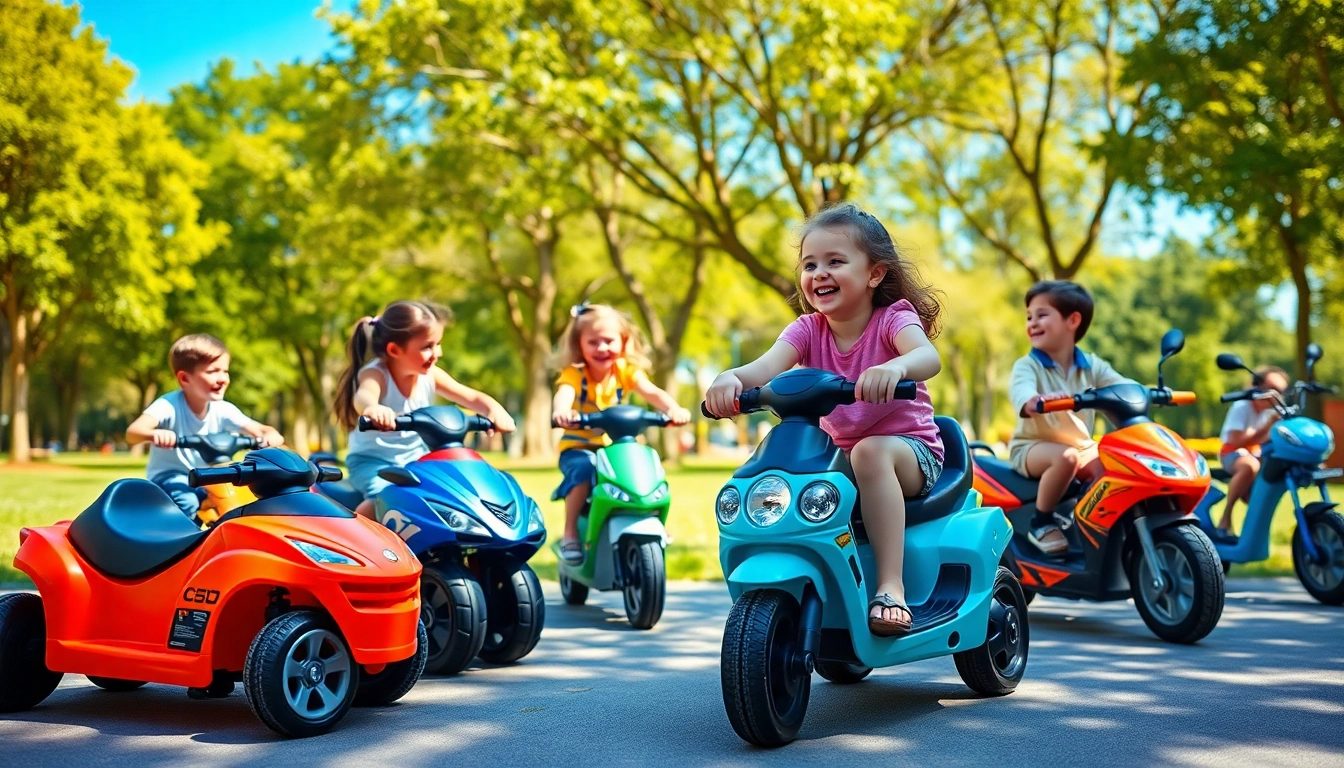
Understanding Different Types of Ride On Toys
Ride on toys serve as essential tools for children’s play and development, offering various options that cater to different age groups and preferences. Ride on toys include diverse choices, such as push-alongs, electric vehicles, and traditional wooden toys. Understanding the various types allows parents to make informed choices that align with their child’s interests and developmental needs.
Classic Ride On Toys for Toddlers
Classic ride on toys, often made from durable wood or sturdy plastic, feature a simplistic design conducive to early learning. These toys help toddlers develop motor skills, balance, and coordination as they push or ride. Examples include simple push cars and balance toys that encourage mobility and exploration. Typically best for young children aged 1-3 years, these toys encourage imaginative play while ensuring safety through simple controls and stable construction.
Electric Ride On Toys and Safety Features
Electric ride on toys add an exhilarating dimension to outdoor play, powered by rechargeable batteries for a seamless experience. These toys typically include features such as adjustable speed settings, remote controls for parental supervision, and headlights for an authentic driving experience. When selecting electric models, parents should ensure they comply with safety standards and come equipped with protective features like seat belts and effective braking systems. It is essential to supervise children during use to minimize risks and promote safe playing habits.
Riding Toys for Older Kids
As children grow, so do their interests and abilities, prompting the transition to more sophisticated ride on toys. Options for older kids include larger electric cars, scooters, and even go-karts designed for children aged 5 and up. These toys often incorporate more advanced safety measures, such as speed restrictors and inflating tires. Additionally, many of these models are built to withstand rougher terrains, which can be appealing for kids eager for adventure and exploration.
Benefits of Ride On Toys for Child Development
The engagement of children with ride on toys goes beyond entertainment; they offer developmental benefits that can help foster a well-rounded upbringing.
Enhancing Physical Skills
Ride on toys promote physical activity by encouraging movement and coordination. As children navigate their environment aboard these toys, they will develop essential gross motor skills and improve overall physical fitness. These activities also encourage vestibular development, aiding in balance and spatial awareness.
Boosting Cognitive and Social Skills
Beyond physical growth, ride on toys encourage cognitive development and social interactions. When children engage in pretend play with ride on toys, they enhance their creativity and problem-solving skills through imaginative scenarios. Riding in groups can foster social interactions, facilitating collaboration, communication, and even negotiation skills when sharing toys or planning adventures together.
Promoting Outdoor Play Activities
Encouraging outdoor play through ride on toys is vital in a digital age where screen time dominates. Outdoor activities promote healthy lifestyles, contribute to vitamin D intake, and help children develop an appreciation for nature. These toys encourage exploration, allowing children to engage with their surroundings, discover new environments, and interact with peers. Regular outdoor play is linked to improved mood and academic performance in children as well.
Choosing the Right Ride On Toys for Your Child
Selecting the appropriate ride on toy involves consideration of age, safety features, and personal preferences. By understanding these factors, parents can make better purchasing decisions to suit their child’s unique needs.
Age Appropriateness and Safety Standards
When selecting ride on toys, it is crucial to consider age appropriateness. Many products are graded for specific age groups, and adhering to these recommendations is vital for ensuring safety. Parents should also look for certified, reliable safety standards to ensure the chosen toy can withstand regular use without compromising child safety.
Providing a Safe Environment for Play
Creating a safe play environment is vital for the overall enjoyment and security of ride on toys. Consider clearance areas free of obstacles and smooth surfaces when children ride outdoors. Adequately supervise children while they use these toys, particularly electric models that may have speed and mobility challenges. Investing in safety gear—such as helmets and knee pads—can also provide added protection, especially for older, faster riding toys.
Budget Considerations: Quality vs. Cost
When selecting ride on toys, budget plays a critical role, but parents should consider the trade-off between quality and cost. Higher-priced models often feature enhanced safety features and durable materials. Therefore, it is wise to consider longevity and safety over a lower initial investment that may require more frequent replacements or repairs in the long run.
Maintenance and Care for Ride On Toys
To guarantee a fulfilling experience, regular maintenance and care for ride on toys are essential to extend their lifespan and ensure child safety.
Regular Safety Checks and Repairs
Performing routine safety checks is critical to maintaining ride on toys. Checking for loose parts, worn-out tires, or broken components can prevent potential accidents. Addressing repairs promptly is necessary to provide a safe experience for children during playtime. Parents should consider maintaining a log of inspections and repairs for transparency.
Cleaning and Upkeep of Electric Models
Electric ride on toys may require specific care for battery maintenance and cleaning. Ensuring that contacts are free of moisture, charging batteries properly, and regularly inspecting wiring can prolong the performance of these toys. Cleaning the toy’s surface with appropriate materials will help maintain its appeal and performance without damaging the electronics.
Storing Ride On Toys Effectively
Proper storage is vital to prolong the life of ride on toys, especially during off-seasons. Store in a dry, temperature-controlled environment to prevent rust or deterioration. For electric models, storing them with a full charge during inactive periods is often recommended to maintain battery longevity. Covering toys with a tarp or utilizing a toy shed can protect them from the elements.
Frequently Asked Questions about Ride On Toys
What age is suitable for ride on toys?
Ride on toys vary by design and safety, typically suitable from age 1 to 12 years, depending on the type and features available.
Are ride on toys safe for outdoor use?
Yes, many ride on toys are designed specifically for outdoor play. Always monitor children and ensure safe, flat surfaces for riding.
How do I choose the best ride on toy for my child?
Consider your child’s age, interests, and safety features. Assess where they will use the toy and choose one that suits their play style.
Can ride on toys help with my child’s development?
Absolutely! They promote physical activity, enhance motor skills and foster creative play, thus supporting overall development.
What should I do if my ride on toy breaks?
Carry out regular maintenance and contact customer support for repairs or spare parts to ensure continued safe use.