Understanding Japanese Knotweed Removal
What is Japanese Knotweed?
Japanese Knotweed (Fallopia japonica) is an invasive plant species originally from East Asia. It’s characterized by its hollow stems, heart-shaped leaves, and clusters of small white flowers. Known for its aggressive growth, it can emerge from rhizomes (root systems) up to three meters deep, capable of penetrating concrete, brick walls, and even drainage systems. This resilience makes it a notorious challenge for homeowners, gardeners, and property developers alike.
Why Remove Japanese Knotweed?
The presence of Japanese Knotweed can have severe implications for property owners. Firstly, it can significantly reduce property values due to its invasive nature and potential to damage structures. Additionally, many lenders require proof of eradication before approving mortgages on properties contaminated by this weed, causing potential buyers considerable frustration. Beyond economic impacts, Japanese Knotweed poses genuine ecological risks by outcompeting native plants, thereby disrupting local ecosystems. Therefore, effective Japanese Knotweed Removal is crucial in preserving property integrity and local biodiversity.
Common Challenges in Japanese Knotweed Removal
Removing Japanese Knotweed is inherently challenging for several reasons. First and foremost is its extensive root system, which allows the plant to regenerate even after being cut back. Additionally, the plant spreads rapidly, meaning that without proper control measures, it can quickly return to an area once removed. The legal regulations surrounding its disposal add another layer of complication, as improper removal can lead to significant penalties. Finally, the required long-term monitoring after initial eradication efforts can be daunting for many property owners.
Methods for Japanese Knotweed Removal
Mechanical Solutions for Japanese Knotweed Removal
Mechanical removal involves physically uprooting the plant and can be effective if done correctly. It typically includes digging out the roots, ensuring that the entire rhizome network is excavated to prevent regrowth. Machinery like excavators can be utilized for larger infestations, while hand-tools may suffice for smaller patches. One downside of mechanical methods is that they often disturb the surrounding soil, which can lead to further ecological disruption. Proper post-excavation care and site restoration are critical to minimize negative environmental impacts.
Chemical Treatment Options
Chemical treatments primarily involve herbicides that target Japanese Knotweed specifically. Glyphosate-based products are popular due to their effectiveness at killing the plant down to the roots. Application is typically timed in the growing season when the plant is actively photosynthesizing. However, the use of chemicals can raise environmental concerns and may harm surrounding flora if not used correctly. A licensed pest control professional should be consulted for the safe application and compliance with local regulations.
Combining Methods for Effective Japanese Knotweed Removal
Many professionals recommend a combination of mechanical and chemical methods for a robust removal strategy. For example, initial mechanical removal can reduce the biomass of the plant, making the subsequent herbicide application more effective. This dual approach helps ensure that both above-ground and underground portions of the plant are adequately addressed, thereby increasing the likelihood of successful eradication. Monitoring and follow-up treatments may still be necessary to prevent reestablishment.
Best Practices for Japanese Knotweed Removal
Timing Your Japanese Knotweed Removal
Timing plays a crucial role in the success of Japanese Knotweed removal. The ideal time for removal varies by method; for mechanical removal, late summer to early fall is optimal, as the plant’s energy is directed toward its root system. For chemical treatments, late spring to early summer, when the plant is actively growing, offers the best opportunity. Knowing the plant’s growth cycle enables property owners and removal professionals to plan targeted interventions effectively.
Safety Precautions during Japanese Knotweed Removal
When undertaking Japanese Knotweed removal, safety precautions are paramount. Protective clothing, including gloves, masks, and long sleeves, should be worn to minimize skin contact with the plant and chemicals. To prevent legal complications, all removed material must be disposed of according to regulations, typically in a licensed landfill. Furthermore, ensure the site is secured to prevent unintentional exposure to the invasive plant during the removal process.
Post-Removal Care for Tenacious Growth
Japanese Knotweed is notorious for its ability to regrow after removal, making post-removal care critical. Continued monitoring of the site for signs of regrowth is essential, as any new shoots need to be treated immediately. Implementing sustainable landscaping practices, such as planting native species, can help restore the ecological balance and prevent the re-establishment of Japanese Knotweed. Regular soil testing may also inform necessary amendments to further discourage growth.
Environmental Impact of Japanese Knotweed Removal
Eco-Friendly Practices in Japanese Knotweed Removal
Incorporating eco-friendly practices into Japanese Knotweed removal is essential for minimizing environmental impact. Strategies could include using biodegradable herbicides, promoting natural predators, or relying on manual removal techniques where feasible. Hiring professionals who understand local ecosystems can help ensure that removal methods do not inadvertently harm nearby flora and fauna. Implementing an environmentally conscious approach not only addresses the invasive weed threat but also supports the surrounding ecosystem.
Restoring Flora After Japanese Knotweed Removal
Restoration of native flora can help stabilize the ecosystem after Japanese Knotweed removal. After the area has been sufficiently cleared, reintroducing native plant species will create competition for resources, making it more difficult for Knotweed to re-establish itself. Selecting a variety of plants can provide habitat for local wildlife, thus enhancing the area’s ecological resilience. Expert consultation can guide the selection of appropriate flora for the specific region and environment.
Case Studies: Successful Japanese Knotweed Removal
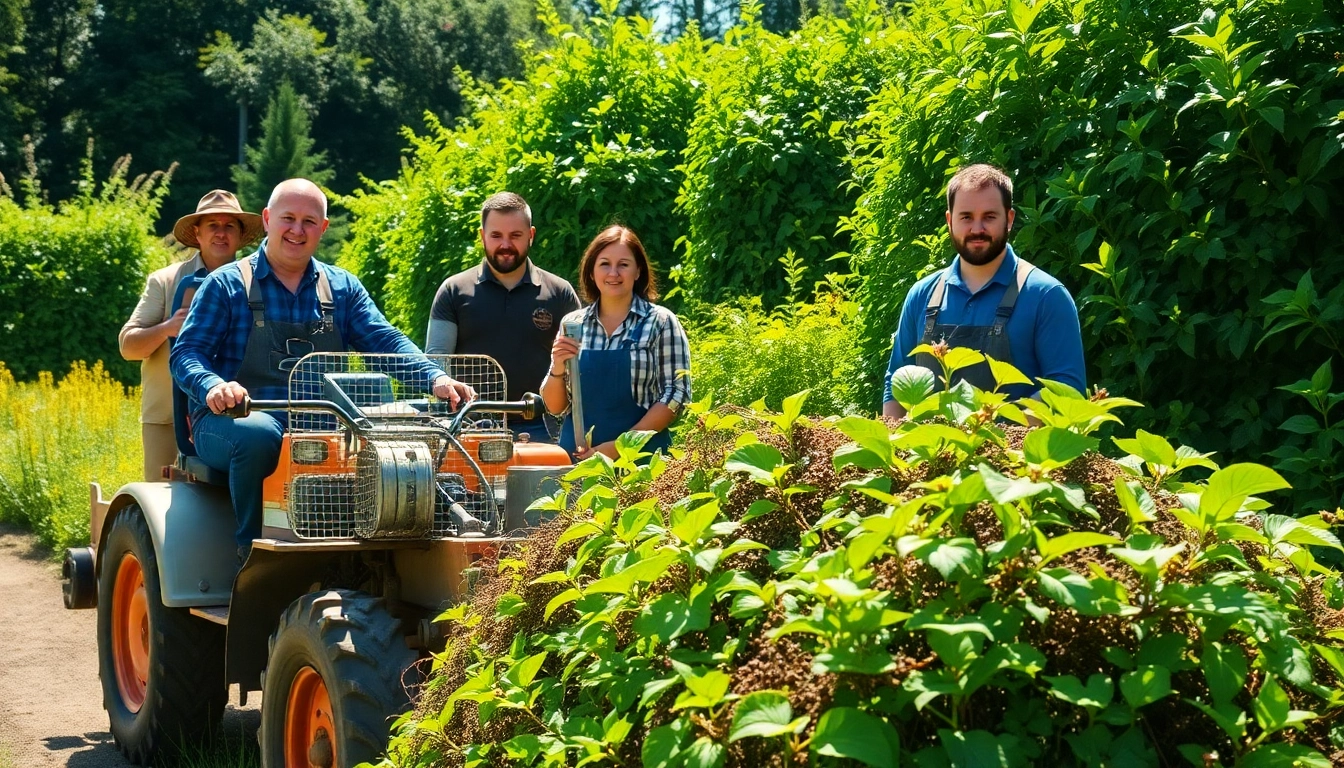
Several case studies depict successful Japanese Knotweed removal efforts. For instance, a project in the UK showcased the efficiency of a combined mechanical and chemical approach, resulting in a completely cleared site within two growing seasons. Another notable case involved the engagement of local community members in a systematic removal program that educated and empowered the public about the impact of invasive species. These examples underscore the importance of tailored strategies and community involvement in achieving sustainable eradication.
FAQs about Japanese Knotweed Removal
What are the first signs of Japanese Knotweed?
The initial signs of Japanese Knotweed include the emergence of bamboo-like stems, larger than typical weeds, which can grow rapidly in the spring. Look for the distinctive heart-shaped leaves that form dense clumps.
How long does it take for Japanese Knotweed Removal to be effective?
The effectiveness of Japanese Knotweed removal depends on the method used, but typically, it can take several months to a few years for full eradication to occur, especially in large infestations.
Can I remove Japanese Knotweed myself?
While DIY removal is possible, it’s often not recommended due to the plant’s resilience. Professional help is advisable for effective eradication and to avoid legal complications concerning disposal.
What happens if I don’t remove Japanese Knotweed?
If left unchecked, Japanese Knotweed can cause severe structural damage to buildings and landscapes, as well as lead to significant devaluation of property. It can also disrupt local ecosystems.
Is Japanese Knotweed Removal regulated by law?
Yes, Japanese Knotweed is classified as a controlled invasive species in several jurisdictions. Landowners are required to manage it effectively and often must ensure proper disposal to comply with local regulations.