
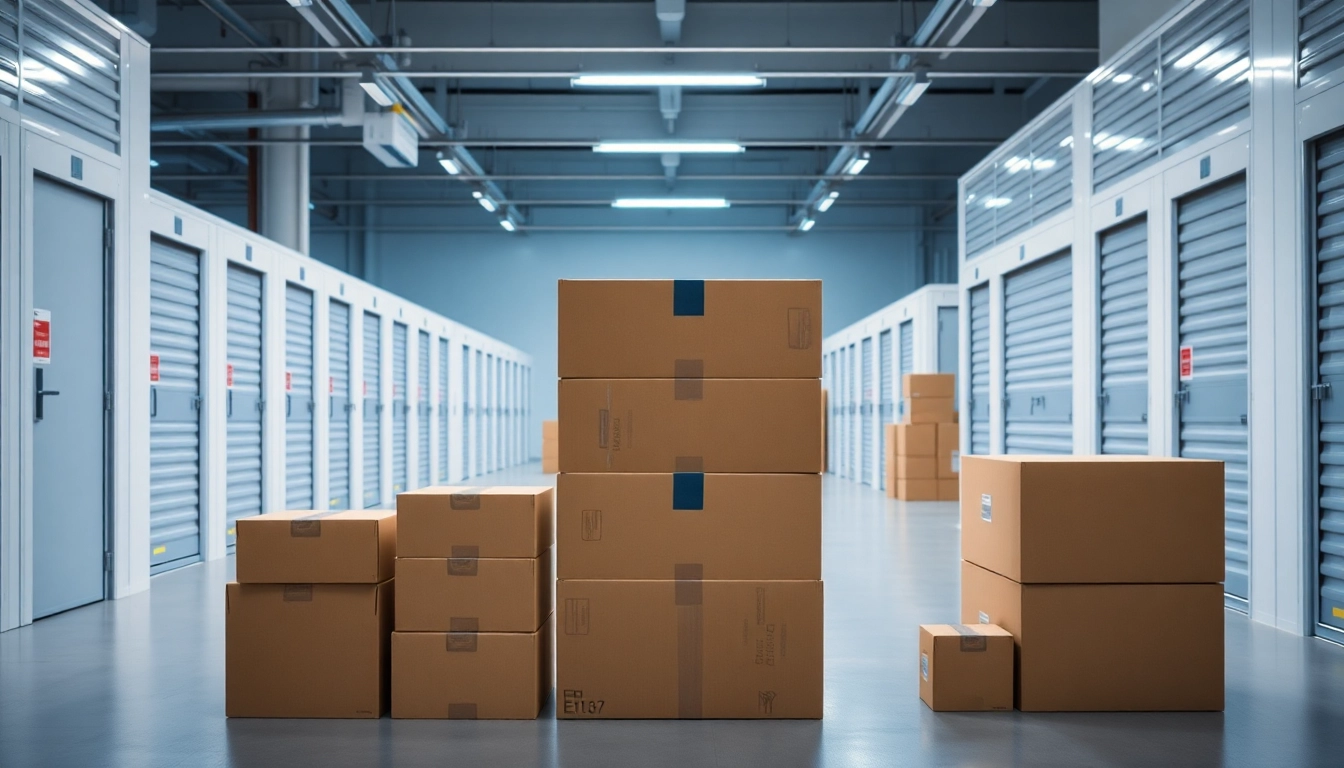
Understanding Self Storage Units
What Are Self Storage Units?
Self storage units provide individuals and businesses with secure, temporary space to store their belongings. These units are typically rented on a monthly basis and come in various sizes, accommodating everything from a few boxes to large pieces of furniture. The concept of self storage has gained immense popularity due to its flexibility and convenience. In today’s fast-paced world, where space can often be a premium, providers offer a range of options tailored to meet diverse needs. Whether you’re relocating, decluttering, or needing space for seasonal items, self storage units can be the solution you’re looking for.
How Self Storage Units Work
The process of renting self storage units is straightforward. Firstly, individuals must find a storage facility in their area, check available units, and decide on a size based on their storage needs. After selecting a unit, renters must complete the rental agreement, which outlines the terms, pricing, and conditions associated with the rental. Access is typically granted via a secure keypad or key system, allowing tenants to visit and retrieve their belongings as required. Most facilities offer both short-term and long-term rental options, making them versatile for various life situations.
Benefits of Using Self Storage Units
Self storage offers numerous benefits, which can significantly alleviate stress and logistical challenges. These include:
1. Flexibility: Renters can choose the duration of their stay, from a few weeks to several years.
2. Space Optimization: Whether it’s a dorm room, an apartment, or an office space, self storage helps to declutter, making living and working environments more pleasant.
3. Security: Most facilities provide enhanced security measures, such as surveillance cameras, gated access, and individual locks.
4. Accessibility: Most storage units allow access to personal items at any time during operational hours.
5. Affordable Solutions: Compared to renting larger living spaces, self storage units provide a cost-effective way to manage temporary storage needs.
Types of Self Storage Units
Indoor vs. Outdoor Self Storage Units
Self storage units come in two primary types: indoor and outdoor.
– Indoor Self Storage Units: These are located within a building, providing a controlled environment that is typically climate-regulated. They are ideal for items that are sensitive to temperature changes or moisture, such as antiques, electronics, and valuables.
– Outdoor Self Storage Units: These are ideal for larger items like trailers, cars, and equipment. Outdoor units generally offer easier access for loading and unloading but may not have the same climate control and security features as indoor options.
Choosing between indoor and outdoor units ultimately depends on the nature of the items being stored and the accessibility needs of the tenant.
Climate-Controlled Self Storage Units
Climate-controlled self storage units offer an environment designed to protect belongings from temperature fluctuations and humidity. These units maintain a consistent temperature and humidity level, making them particularly suitable for:
– Sensitive Items: Such as wooden furniture, electronics, photographs, and documents that could be damaged by extreme heat, cold, or moisture.
– Long-Term Storage: Businesses storing supplies or inventory can take advantage of climate control to preserve the condition of their items over extended periods.
Although these units typically come at a slightly higher price, they can prevent costly damage, making them a wise investment for valuable items.
Specialty Self Storage Units
Specialty self storage units cater to specific storage needs, including:
– Vehicle Storage: For cars, boats, or motorcycles, these units offer both indoor and outdoor options with additional security features designed solely for vehicle protection.
– Business Storage: Some facilities offer units tailored for businesses needing to store inventory, equipment, or documents securely.
– Student Storage: Some facilities provide short-term agreements for students looking for temporary solutions during summer breaks or study abroad programs.
Selecting a specialty unit can provide tailored solutions for unique storage requirements, ensuring that all items are stored in the right conditions.
Factors to Consider When Selecting Self Storage Units
Location Requirements for Self Storage Units
Choosing the right location for your self storage units is crucial. Factors to consider include:
– Proximity: Select a facility close to your home or workplace to simplify access.
– Accessibility: Look for locations that offer extended access hours or 24/7 access if needed.
– Reputation: Research the local facilities’ reputation through reviews and ratings to ensure you select a trustworthy provider.
By prioritizing these considerations, you can ensure that your chosen facility meets your logistical and security needs.
Size and Capacity of Self Storage Units
Self storage units come in various sizes, and selecting the correct size is essential. Consider the following:
– Estimating Storage Needs: Take inventory of the items you intend to store. Utilize online size guides provided by storage companies to match your needs to the right unit size.
– Future Needs: If you anticipate needing additional space in the near future, consider renting a slightly larger unit to avoid transaction hassles later.
When in doubt, it’s better to choose a larger unit than to face constraints with a smaller one, as maximizing space can lead to better organization.
Security Features of Self Storage Units
Security is one of the primary concerns for individuals when selecting self storage units. Look for the following security features:
– Surveillance Cameras: Facilities should have around-the-clock video monitoring.
– Gated Access: A secure gate with keycode or card access can deter unauthorized entry into the facility.
– Individual Locks: Look for units with personal locks that you control, ensuring that only you have access to your belongings.
Evaluating security features not only gives peace of mind but also protects your treasured possessions effectively.
Cost Influences on Self Storage Units
Average Pricing for Self Storage Units
The cost of renting self storage units varies based on several factors:
– Location: Facilities in urban areas tend to charge higher rates than those in suburban or rural areas.
– Unit Size: Larger units naturally come at a higher price.
– Duration of Rental: Renting long-term may come with discounts or promotional offers.
While the average monthly cost can range significantly, budgeting based on these factors is essential for making a financial decision that’s right for you.
Hidden Fees with Self Storage Units
Renting self storage units can sometimes come with unexpected costs. Be cautious of:
– Administrative Fees: Some companies charge fees upon signing the rental agreement.
– Insurance Requirements: Many facilities require renters to purchase insurance, adding to the overall cost.
– Late Payment Fees: Ensure you understand the payment terms; late fees can escalate quickly.
It’s important to read the rental agreement thoroughly and ask about any additional costs upfront to avoid surprises later.
Understanding Rental Agreements for Self Storage Units
Before signing a rental agreement, you must fully comprehend the terms and conditions. Key aspects include:
– Length of Rental: Know the minimum rental period required and what happens if you wish to terminate early.
– Payment Terms: Understand due dates, payment methods, and penalties for late payments.
– Access Rights: Clarify the hours of access and any policies regarding sharing access with others.
Being informed about these elements ensures that you’re prepared and can use your self storage units effectively without issues.
Frequently Asked Questions About Self Storage Units
What can I store in self storage units?
You can typically store furniture, seasonal items, boxes, business supplies, vehicles, and more. However, hazardous materials, perishables, and illegal items are generally prohibited.
How long can I rent self storage units?
Self storage units can usually be rented for any duration, from a few weeks to several years, depending on your needs and the facility’s policies.
Are self storage units safe?
Most self storage facilities offer security features like surveillance cameras, gated access, and individual locks, but safety can vary. Always research the facility’s security measures before renting.
How do I choose the right size self storage units?
Assess your belongings and utilize size guides provided by facilities. It’s better to rent slightly larger than necessary to allow for easy access and organization.
Can I access my self storage units anytime?
Access policies vary by facility. Many allow 24/7 access, while others have specific operational hours. Always confirm access times with your chosen provider.