Understanding the Cape Cod Home Design
The cape cod home is a quintessential element of American architecture that captures the charm of coastal living. Originating from New England, these homes are characterized by their distinct features, functional designs, and historical significance. In this comprehensive guide, we will delve deep into the essence of the Cape Cod style, explore the ideal locations for building or renovating such homes, discuss various design elements, and offer insights on renovation strategies while addressing frequently asked questions surrounding this unique architectural style.
What Defines a Cape Cod Home?
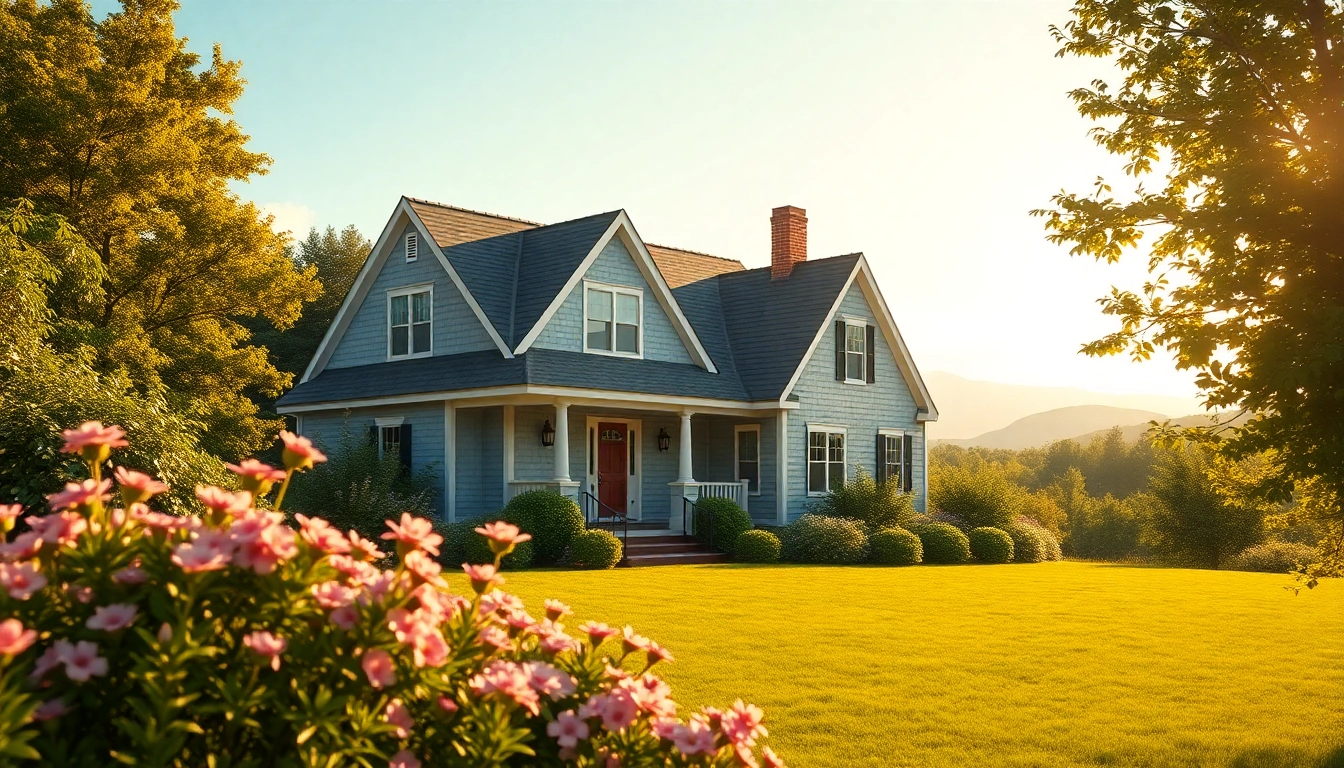
A Cape Cod home typically features a symmetrical facade, steeply pitched roof, and dormer windows. It reflects the traditional aesthetics necessary for surviving harsh weather conditions. Originating from the early 17th century, these homes were designed to provide warmth and functionality. The layout is usually simple and compact, maximizing efficiency while ensuring comfort.
Historical Significance of Cape Cod Homes
These homes have roots in colonial architecture, primarily influenced by the early English settlers in New England. The design was practical, addressing the challenges of a rugged climate and resource scarcity. Historically, Cape Cod homes represented resilience and adaptability, becoming a symbol of American heritage.
Key Characteristics and Features
Common characteristics of Cape Cod homes include:
- One or one-and-a-half stories
- Wood shingle siding often painted in soft hues
- Central chimney with fireplaces
- Dormer windows for added light
- Symmetrical façade with minimal ornamentation
These features not only serve aesthetic purposes but also enhance the home’s resilience against the elements, making them ideal for coastal regions.
Choosing the Right Location for Your Cape Cod Home
Optimal Locations and Their Benefits
When contemplating the construction of a Cape Cod home, selecting the right location is crucial. Coastal towns in New England, such as Cape Cod, Martha’s Vineyard, and Nantucket, are optimal, providing breathtaking views and a serene lifestyle. Living near the coast offers ample opportunities for outdoor activities, while proximity to water bodies enhances the overall living experience.
Climate Considerations in Design
Climate plays a significant role in the design and construction of Cape Cod homes. The steep roofs are designed to prevent snow accumulation, while the durable materials used in construction provide insulation and protect against harsh winds. Understanding local weather patterns ensures that your home is resilient and comfortable year-round.
Community and Neighborhood Factors
Choosing a community that reflects your lifestyle can significantly enhance your living experience. Consider factors such as proximity to schools, shopping, and recreational areas. Communities that promote outdoor activities and have a strong cultural heritage often add value to living in a Cape Cod home, reflecting its historical roots.
Design Elements of a Cape Cod Home
Exterior Design Considerations
The exterior of a Cape Cod home is its hallmark feature, often characterized by wooden siding, gabled roofs, and front porches. Colors typically represent the natural surroundings, with soft shades of blues, greens, and neutrals. Balancing aesthetics with durability is crucial, especially in coastal areas where homes face significant weathering.
Internal Layout Options and Functional Spaces
Internally, Cape Cod homes emphasize simplicity and functionality. Open floor plans are popular, creating spacious environments even in smaller homes. Design elements like built-in furniture, multi-functional spaces, and ample storage solutions optimize space and enhance livability.
Landscaping Ideas to Complement Your Home
Landscaping plays a pivotal role in complementing the Cape Cod home’s aesthetic appeal. Native plants, low-maintenance gardens, and coastal landscaping can enhance the property’s natural beauty. Consider outdoor living spaces, such as patios or decks, which offer additional areas for enjoyment and relaxation.
Renovating an Existing Cape Cod Home
Assessing Original Features for Preservation
When renovating a Cape Cod home, preserving original features is critical. Assess the home’s historical elements, such as molding, flooring, and windows. Retaining these details enriches the home’s character while respecting its architectural integrity. Professional restoration may be necessary for more delicate features.
Modern Updates While Maintaining Character
Integrating modern updates doesn’t mean sacrificing character. Use contemporary materials and technology that align with the home’s original design. For example, installing energy-efficient windows or modern HVAC systems can be done without disrupting the aesthetic, balancing old and new seamlessly.
Budgeting Your Renovation Project
Creating a comprehensive budget for renovations ensures you make informed decisions throughout the process. Include costs for materials, labor, and potential unforeseen issues. It’s wise to allocate an additional 10-15% of the total budget for contingencies, ensuring that you’re prepared for surprises without derailing your project.
Frequently Asked Questions about Cape Cod Homes
What is the average cost of building a cape cod home?
The cost of building a Cape Cod home varies based on size, materials, and location. On average, expect to spend between $250 to $400 per square foot, including labor and materials. Customization can significantly affect the final price.
How do I maintain a historic cape cod home?
Maintaining a historic Cape Cod home involves regular inspections, preserving original details, and addressing issues promptly. Focus on maintaining roofing, siding, and windows to enhance durability and historic integrity.
What interior styles suit a cape cod home?
Styles such as nautical, coastal, and traditional fit well within a Cape Cod home. Soft colors, natural materials, and functional furniture can enhance its charm while creating an inviting atmosphere.
Are cape cod homes energy-efficient?
With modern upgrades, Cape Cod homes can be energy-efficient. Insulation improvements, energy-efficient windows, and smart home technology can significantly reduce energy consumption, contributing to sustainable living.
Can a cape cod home be expanded easily?
Expanding a Cape Cod home is achievable, especially with the one-and-a-half-story layout. Options include adding dormers, expanding eaves, or utilizing basements for additional living space, enhancing both comfort and property value.