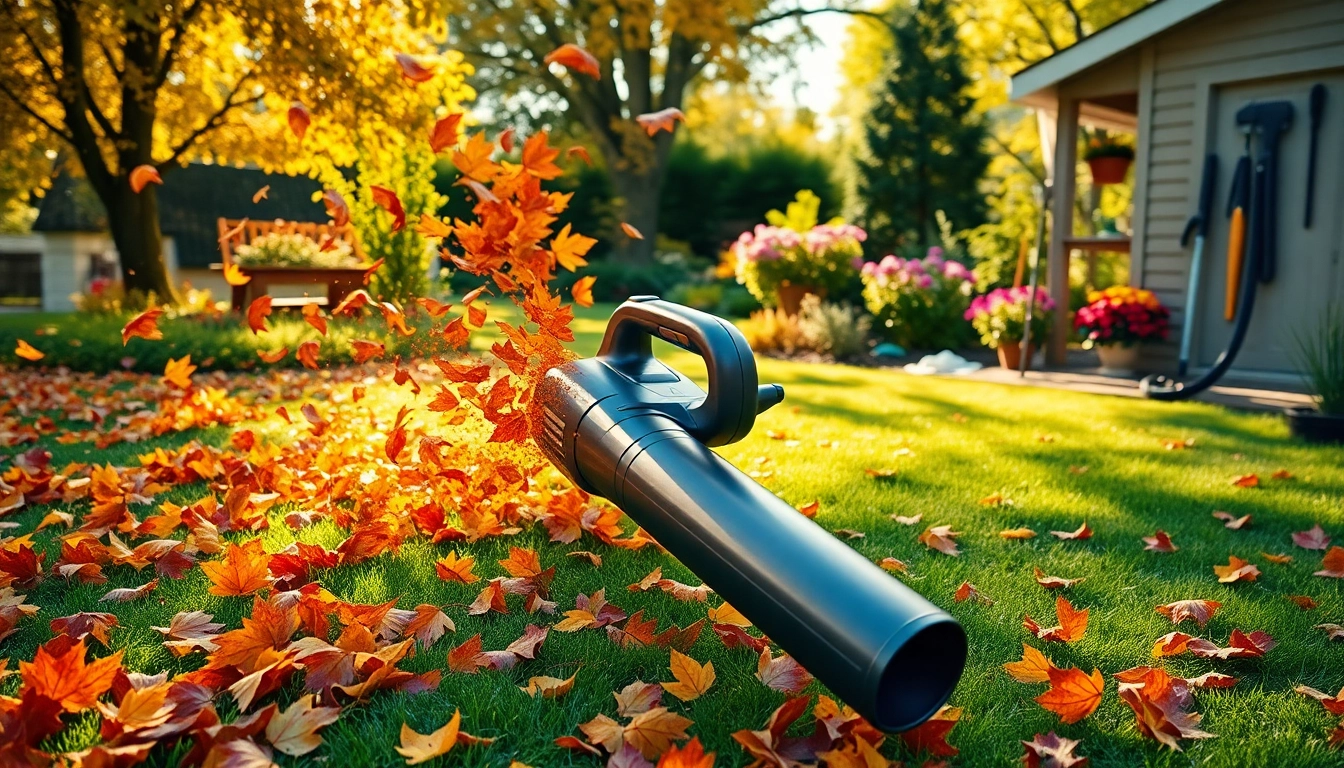
Understanding Electric Leaf Blowers: The Basics
An electric leaf blower is a versatile, eco-friendly tool designed to simplify yard maintenance by effectively clearing leaves and debris from lawns, driveways, and patios. Unlike traditional gas-powered blowers, electric models offer a quieter and more efficient means of managing yard waste. As homeowners increasingly prioritize sustainability, the popularity of electric leaf blowers continues to rise, showcasing their practicality and innovation in outdoor power equipment.
What is an Electric Leaf Blower?
An electric leaf blower is powered by electricity rather than gasoline, offering a cleaner and quieter option for yard work. These tools can be corded or cordless and are designed to blow leaves and other debris away from your desired area with high-velocity air. The electrical mechanism typically allows for lighter, more manageable designs, making them ideal for homeowners and residential use.
Benefits Over Gas-Powered Options
- Environmental Impact: Electric models emit no harmful fumes, reducing your carbon footprint.
- Noise Levels: They operate much quieter than gas blowers, making them suitable for residential areas.
- Maintenance: Electric leaf blowers require less maintenance compared to gas-powered models, which often need regular oil changes and other upkeep.
- Weight and Portability: Generally lighter, making them easier to handle and less fatiguing for extended use.
Key Features to Consider
When selecting an electric leaf blower, consider key specifications that can affect performance:
- CFM (Cubic Feet per Minute): This measures the volume of air the blower can move. Higher CFM ratings are ideal for larger yards with heavy leaf accumulation.
- MPH (Miles per Hour): This indicates the speed at which air is expelled. Higher MPH values enhance the blower's ability to move stubborn debris.
- Battery Life: For cordless models, look for longer battery life and quick recharge capabilities.
- Weight: Consider models that balance power with weight for better maneuverability.
Choosing the Right Electric Leaf Blower for Your Needs
Choosing the right electric leaf blower can significantly affect your yard maintenance efficiency. Understanding your specific requirements will help you make an informed decision. Factors like yard size, typical debris, and whether you prefer a corded or cordless model all play critical roles in this selection process.
Matching CFM and MPH to Your Yard Size
Consider the size of your yard and the type of debris present when selecting your electric leaf blower. For residential properties with minimal leaf build-up, a blower with a CFM of around 200-300 and an MPH between 90-120 is generally sufficient. However, larger properties or those dealing with heavy leaves may require models with CFM ratings exceeding 400 and MPH above 150 to ensure efficient clearance.
Comparing Corded vs. Battery-Powered Models
Understanding the differences between corded and battery-powered models is essential:
- Corded Electric Leaf Blowers: These offer unlimited runtime and generally more power, but you need to manage a power cord, which can limit mobility.
- Battery-Powered Leaf Blowers: While more portable, they come with limited runtimes that can vary from 20 to 60 minutes depending on the model. They are perfect for those who prefer versatility without the hassle of cords.
Essential Accessories for Electric Leaf Blowers
Investing in the right accessories can enhance your electric leaf blower's effectiveness. Consider these options:
- Specialized Nozzles: Different nozzles can adapt to specific tasks, such as precision blowing for tight spaces.
- Shoulder Straps: Especially for heavier models, these can increase comfort during extended use.
- Vacuum Attachments: Some blowers allow for vacuuming capabilities, making it easier to collect debris.
Maintaining Your Electric Leaf Blower
Regular maintenance is vital for keeping your electric leaf blower in optimal condition. Simple practices can extend the life of your tool and ensure it operates efficiently when needed.
Regular Maintenance Tips for Longevity
Follow these maintenance strategies:
- Clean the Air Filter: A clogged filter can hinder performance; cleaning or replacing it regularly helps maintain airflow.
- Check for Loose Parts: Regularly inspect and tighten screws and parts to prevent wear and tear.
- Inspect the Cord: For corded models, check for frays and damage to prevent risks of electrocution.
Cleaning and Storage Practices
After using your leaf blower, it’s important to clean it before storage. Remove debris from the exterior and ensure the filter is clean. Store the unit in a dry, cool place to prevent moisture damage.
Common Issues and Troubleshooting
Some common problems include:
- Blower Won't Start: Check the power source and ensure the cord is properly connected.
- Weakened Air Flow: This could indicate a clogged air filter or blocked nozzle.
- Strange Noises: Inspect for loose parts or debris caught in the fan.
Maximizing Efficiency with Your Electric Leaf Blower
Knowing how to use your electric leaf blower efficiently can save you time and effort. Here are some best practices to consider.
Best Practices for Leaf Blowing
- Work in Sections: Divide your yard into sections to avoid getting overwhelmed.
- Blow with the Wind: Position yourself with the wind at your back to help the leaves move in the right direction.
- Clear Debris Regularly: Instead of waiting for all leaves to fall, regularly clear them to prevent accumulation.
Seasonal Strategies for Yard Care
Plan your yard maintenance according to the seasons. In fall, focus on clearing leaves as they fall. In spring, utilize your blower to manage twigs and debris left from winter storms.
Eco-Friendly Practices to Adopt
Incorporating eco-friendly practices in your yard care routine not only benefits the environment but can also enhance the overall health of your landscape:
- Composting: Use your electric leaf blower to gather leaves and other organic materials for composting.
- Mulching: Consider shredding leaves to create mulch, which can enrich your garden soil.
- Electric Power: Opt for electricity from renewable sources wherever possible to power your blower.
The Future of Electric Leaf Blowers in 2025 and Beyond
The landscape of outdoor power equipment continues to evolve, with innovations making electric leaf blowers more efficient and user-friendly. As technology progresses, we can expect features that enhance performance and sustainability.
Emerging Technologies in Leaf Blower Design
Advancements in battery technology promise longer runtimes and faster charging times. Additionally, smart technology integrations can provide app connectivity for tracking usage and maintenance schedules.
Predictions for Market Trends
As awareness of environmental issues grows, we can anticipate a larger market share for electric leaf blowers, especially those with enhanced battery life and performance. A shift toward larger capacities in residential models is also expected, enabling the handling of more substantial debris.
How to Stay Updated on New Models and Features
To keep up with industry innovations, subscribe to newsletters from leading manufacturers, follow gardening blogs, and check product reviews regularly. Participating in forums and online communities can also provide valuable insights into the latest trends.