Understanding Water Lilies: Basics and Benefits
Water lilies are more than just beautiful flowers adorning the surface of ponds; they are a vital component of aquatic ecosystems. These perennial plants belong to the family Nymphaeaceae and are known for their stunning blooms and large, floating leaves. The presence of Water Lilies not only enhances the aesthetic appeal of water bodies but also plays a crucial role in maintaining environmental balance. In this article, we will explore the importance of water lilies, their varieties, and how to care for them effectively.
What Are Water Lilies?
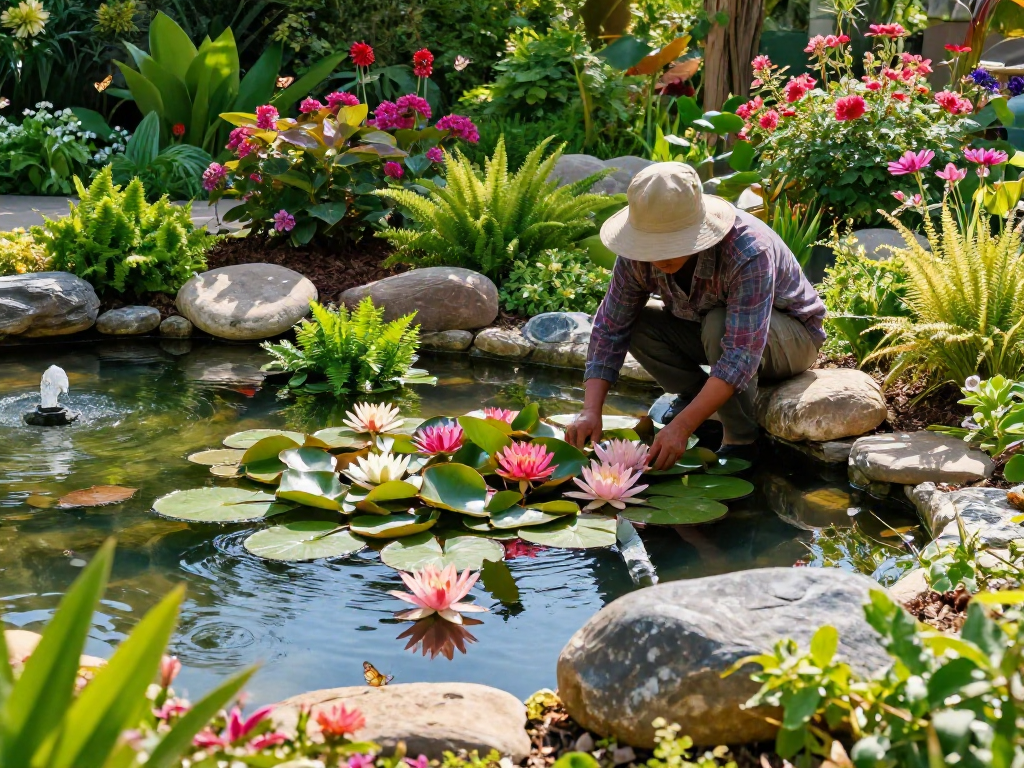
Water lilies are aquatic plants that thrive in freshwater environments. They are characterized by their round, flat leaves that float on the water's surface and large, fragrant flowers that bloom above the water. These plants are native to various regions around the world, with some species adapted to tropical climates and others to temperate zones. Water lilies can be categorized mainly into two types: hardy and tropical. Hardy water lilies can withstand cooler temperatures and often produce blooms throughout the summer, while tropical varieties require warmer water temperatures and produce larger flowers.
The Importance of Water Lilies in Aquatic Ecosystems
Water lilies serve several important functions within aquatic ecosystems. They provide critical shade for fish and other aquatic organisms, helping to regulate water temperature and oxygen levels. The large leaves create a habitat for various species, offering refuge from predators and a surface for algae and microorganisms to thrive. Additionally, when water lilies die back, they contribute organic matter to the pond, enriching the sediment and providing nutrients for other plants. Furthermore, their roots help stabilize pond sediment, reducing erosion and improving water clarity by filtering pollutants.
Varieties of Water Lilies and Their Unique Features
There are numerous species of water lilies, each with distinct features and adaptations. Some well-known varieties include:
- American Water Lily (Nymphaea odorata): Commonly found in North America, this hardy variety produces white to pink flowers and is known for its pleasant fragrance.
- Tropical Water Lily (Nymphaea spp.): Known for their vibrant colors and larger blooms, tropical water lilies require warmer climates and are often found in botanical gardens.
- Blue Lotus (Nymphaea caerulea): This stunning variety has deep blue flowers and is often associated with ancient Egyptian culture.
- Yellow Water Lily (Nuphar lutea): Not a true water lily, this species has a distinct yellow flower and can be found in various freshwater environments across Europe and North America.
Water Lilies Planting: Dos and Don'ts
Planting water lilies may seem like a straightforward task, but attention to detail is crucial for their successful establishment. Understanding the right conditions and best practices will help ensure a thriving aquatic garden.
Choosing the Right Location for Your Pond
The first step in planting water lilies is selecting the right pond location. Water lilies require full sun to thrive; therefore, a site that receives at least six hours of sunlight daily is ideal. It is also essential to ensure that the pond is relatively calm, as strong winds can damage the delicate flowers. Avoid areas where debris might accumulate and ensure the pond has adequate depth (at least 2 feet) to accommodate the root system.
Soil and Water Conditions for Healthy Growth
Water lilies prefer nutrient-rich, mucky soil for optimal growth. Use a mixture of garden soil and aquatic plant fertilizer when planting. The water quality also plays a vital role; a pH range of 6.5 to 7.5 is optimal. Regularly check for clarity—water lilies grow best in clean water with low nutrient levels to minimize algal growth.
Common Planting Mistakes to Avoid
Some common mistakes when planting water lilies include:
- Poor soil choice: Avoid planting in sandy or nutrient-poor soil, as this can hinder growth.
- Improper depth: Ensure that the pot of the water lily is submerged correctly; too deep or too shallow can stunt growth.
- Ignoring local wildlife: Fish and other wildlife can damage young water lilies; consider protective measures if necessary.
Water Lilies Care: Maintenance Tips
Once planted, water lilies require regular care to ensure they remain healthy and vibrant. Routine maintenance is essential for long-term success.
Feeding and Fertilization Best Practices
Water lilies benefit from regular feeding, particularly during their growing season. Use a slow-release fertilizer specifically designed for aquatic plants. Be cautious not to over-fertilize, as this can lead to excessive algae growth and poor water quality. A good rule of thumb is to fertilize water lilies every 4-6 weeks during the growing season.
Managing Pests and Diseases in Water Lilies
Water lilies can be susceptible to a few pests and diseases. Look out for aphids, spider mites, and snails. Regularly inspect the plants and remove any infected leaves to prevent the spread of issues. If an infestation occurs, an insecticidal soap or neem oil can effectively manage pests without harming the ecosystem.
When and How to Prune Water Lilies
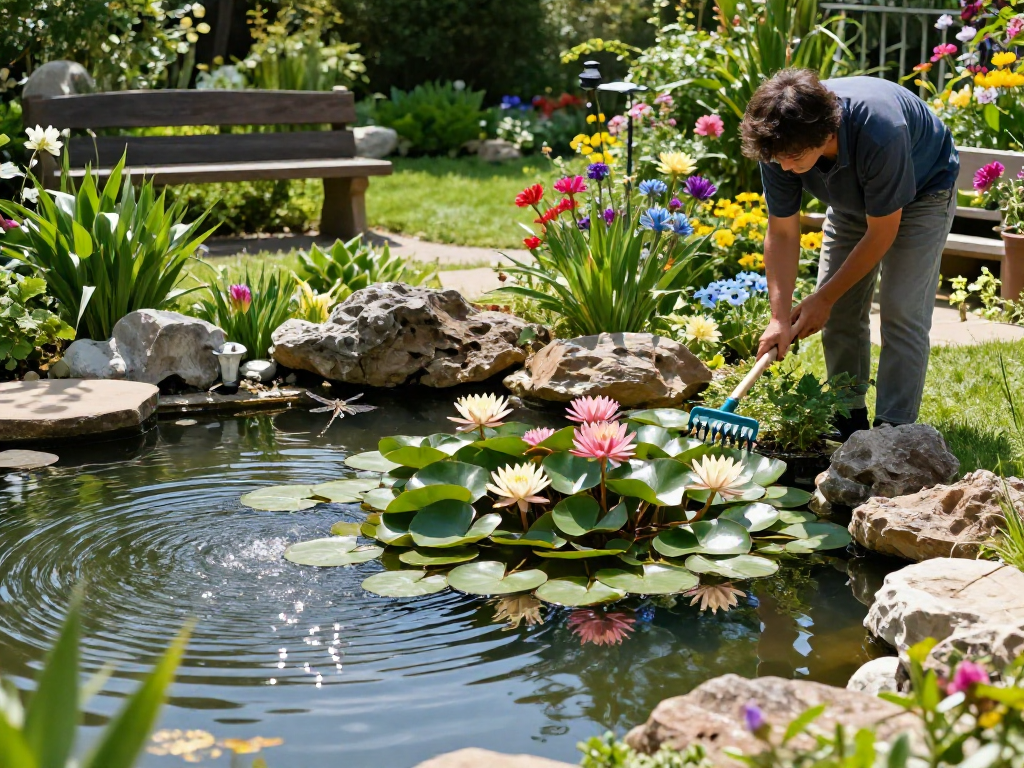
Pruning water lilies helps maintain their health and encourages new growth. Regularly remove any dead or yellowing leaves; this not only improves aesthetics but also prevents rot and disease. Pruning should occur in late fall or early spring, when the plants are dormant, to reduce stress on the plant.
Enhancing Your Pond Environment for Water Lilies
To create an optimal environment for water lilies, attention must be paid to several factors, including water quality, shade, and plant companions.
Water Quality Management: Testing and Treatment
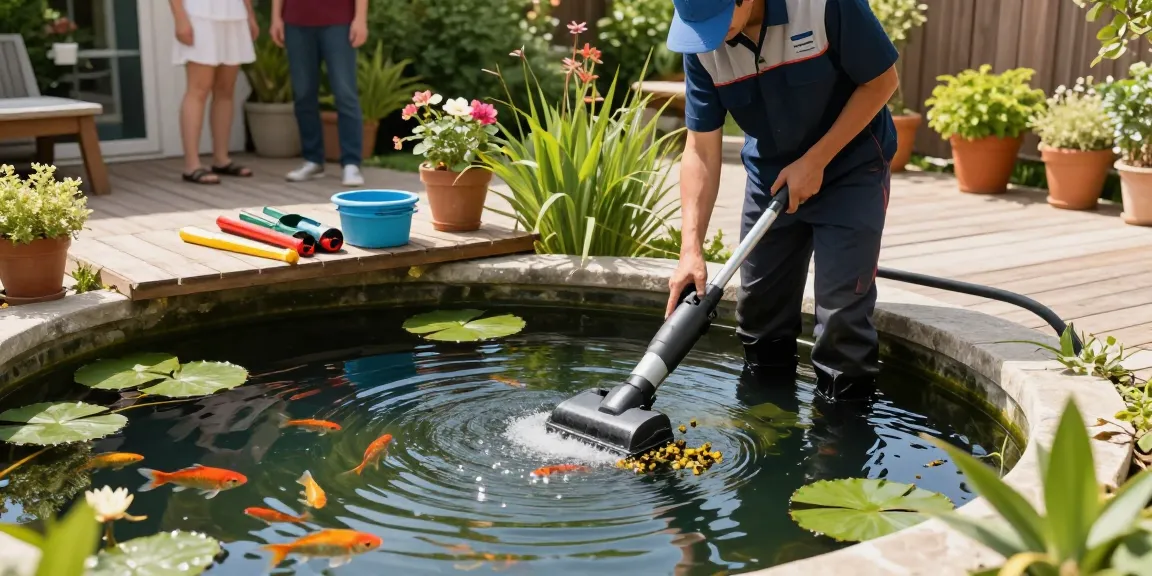
Regular water testing is crucial for maintaining a balanced ecosystem. Key parameters to monitor include pH, ammonia, nitrite, and nitrate levels. Invest in a quality water testing kit and perform routine checks. Treat water as needed to maintain quality, ensuring that your water lilies thrive.
Creating Shade and Cover in Your Pond
While water lilies love sunlight, too much direct sunlight can lead to overheating and poor growth. Consider adding floating plants like water hyacinths or duckweed to provide shade and reduce excess sunlight. This not only protects the water lilies but also helps regulate the overall pond temperature.
Companion Plants That Benefit Water Lilies
Companion planting can significantly enhance the health of water lilies. Consider adding marginal plants like cattails or irises that can help filter water and provide additional habitat for aquatic wildlife. These companion plants create a balanced ecosystem that supports water lilies' growth and vitality.
Future Trends in Water Lily Cultivation for 2026
The future of water lily cultivation looks promising as more enthusiasts embrace sustainable practices in pond gardening. Innovations in techniques and varieties are set to enhance the experience for pond owners.
Innovative Techniques for Sustainable Pond Gardening
As environmental awareness increases, many pond owners are turning to sustainable gardening practices. Techniques such as integrating rainwater harvesting systems and utilizing biological filtration methods are becoming more common. These practices not only promote water lily health but also conserve resources and improve overall pond ecosystems.
Emerging Water Lily Varieties and Their Attributes
New water lily varieties are being developed to meet the needs of diverse gardening styles and climates. Breeders are focusing on disease resistance, unique colors, and hardiness to create varieties that can thrive in various conditions. As these innovations emerge, pond enthusiasts will have more options than ever before.
Community and Industry Resources for Pond Enthusiasts
Joining communities focused on pond care can provide valuable insights and support. Online forums, local gardening clubs, and social media groups dedicated to aquatic gardening allow enthusiasts to share experiences, troubleshoot issues, and celebrate successes.
What Are the Benefits of Native Water Lilies?
Native water lilies offer numerous benefits for ecosystems. They often require less maintenance, are adapted to local climates, and can provide habitat for native wildlife. Planting native varieties can enhance biodiversity and create a more resilient pond environment.
How to Propagate Water Lilies Successfully?
Propagating water lilies can be a rewarding endeavor for gardeners. The best method is to divide established plants in the spring, ensuring each division has multiple healthy roots. Replant immediately to give them the best chance to establish in their new location.
What Are the Most Common Water Lily Problems?
Water lilies may face issues such as yellowing leaves, stunted growth, or poor flowering. These problems can often be traced back to water quality, nutrient imbalance, or pest infestations. Regular monitoring and timely intervention can resolve most issues before they affect the plant's health significantly.
Can Water Lilies Survive Winter?
Hardy water lilies can survive winter in temperate zones by going dormant. However, for tropical varieties, it's crucial to bring them indoors or provide adequate insulation to prevent freezing. Proper winter care ensures that they will thrive again in the spring.
How Do Environmental Changes Affect Water Lilies?
Changes in environmental conditions, such as climate shifts or pollution, can significantly impact water lilies. Increased water temperatures and nutrient levels can lead to algal blooms that outcompete lilies for resources. Maintaining balanced water conditions is essential for their longevity.