Understanding the Basics of Refrigerator Types
Types of Refrigerators Available
When it comes to choosing a Refrigerator, understanding the various types available is essential for making an informed decision. Refrigerators can be categorized into several types based on their design and functionality. The most popular refrigerator types include:
- Top-freezer Refrigerators: These classic models place the freezer compartment at the top, making it easy to access the fridge section.
- Bottom-freezer Refrigerators: These models feature a freezer drawer located at the bottom, providing convenient access to fresh food at eye level.
- Side-by-Side Refrigerators: Offering two vertical compartments, these refrigerators allow easy access to both fridge and freezer sections and often come with built-in ice and water dispensers.
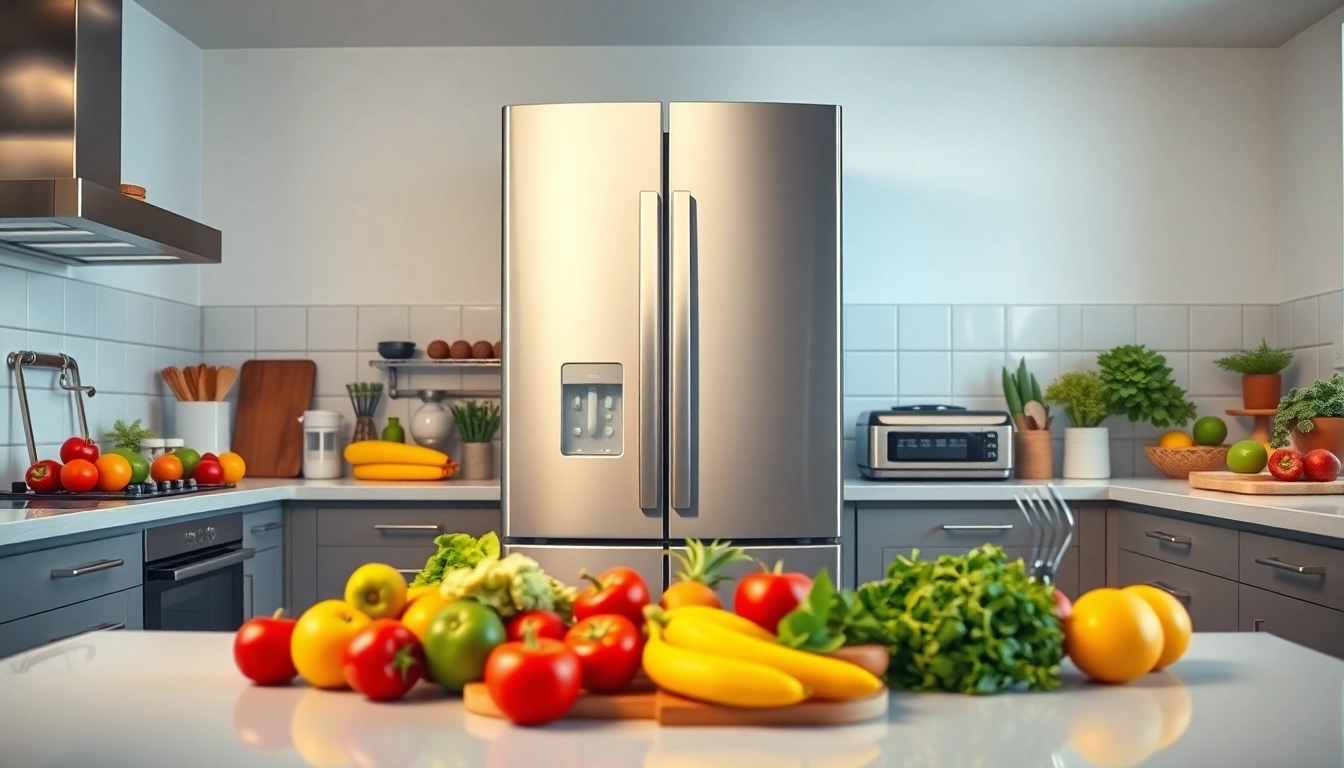
- French Door Refrigerators: Combining the benefits of side-by-side and bottom-freezer designs, these feature double doors for the fridge and a bottom drawer for the freezer, ideal for wide clearance.
- Compact Refrigerators: Perfect for small spaces, such as dorm rooms or offices, these are smaller versions designed to keep essentials cool.
- Smart Refrigerators: Equipped with Wi-Fi connectivity and touch-screen interfaces, these models offer advanced features like remote monitoring and food management applications.
Key Features to Consider
Beyond type, several key features should influence your choice of refrigerator. Some important aspects include:
- Storage Configuration: Look for adjustable shelves, door bins, and specialized compartments for items like deli meats or fruits.
- Energy Efficiency: High-efficiency models can save money long-term through reduced energy bills. Look for the ENERGY STAR label.
- Temperature Control: Some refrigerators offer advanced temperature management systems that maintain consistent cooling.
- Noise Level: A quieter unit can significantly enhance your kitchen environment. Check specifications for decibel levels.
- Finish and Design: Stainless steel, matte black, or custom panel finishes can complement your kitchen's decor.
Energy Efficiency Ratings Explained
Understanding energy efficiency ratings is crucial for sustainability and cost-effectiveness. The ENERGY STAR certification indicates models that are at least 20% more efficient than standard options. Pay attention to the estimated annual energy consumption, often listed on the yellow Energy Guide label, to gauge long-term costs effectively.
How to Select the Perfect Refrigerator Size
Assessing Your Space Requirements
Choosing the right size of refrigerator begins with accurately assessing your kitchen space. Measure the height, width, and depth of the area where the unit will be placed, accounting for door swing and ventilation space. Consider clearance requirements for seamless installation and efficient airflow.
Determining Storage Needs
Evaluating your food storage needs is essential. Think about the volume of groceries you regularly buy and how often you shop. For families or avid cooks, larger models with more cubic feet are often ideal. Single residents or those with limited space might find compact models to be more suitable.
Measuring for Fit: Tips and Tools
To ensure a precise fit, use a tape measure to get accurate dimensions. Note any protrusions like water lines or walls near the designated area. Tools like smartphone apps can aid in measuring, providing virtual layouts to visualize your space better. Potential obstructions should always be considered when making measurements.
Innovative Features of Modern Refrigerators
Smart Technologies in Refrigerators
Modern refrigerators increasingly integrate smart technologies. Features such as Wi-Fi connectivity allow users to control temperatures remotely and receive alerts when temperatures deviate. Some models come with touch screens that can display recipes, grocery lists, and even favorite playlists.
Temperature Control and Food Preservation
Advanced temperature control systems help maintain optimal conditions for food preservation. Many refrigerators now include different temperature zones tailored for various food types, ensuring that fruits, vegetables, and meats retain their freshness longer. Look for models with humidity control for optimal fruit and vegetable storage.
Stylish Designs and Customization Options
In addition to functionality, aesthetics play a vital role. Many brands offer customizable panels that allow homeowners to match the refrigerator with cabinetry, while various finishes, such as fingerprint-resistant stainless steel, enhance both usability and appearance. Consider styles that complement your kitchen's design and color scheme.
Maintenance Tips for Prolonging Refrigerator Life
Routine Cleaning Practices
Regular maintenance is crucial for the longevity of your refrigerator. Schedule a monthly cleaning to remove dust from coils, check door seals for effectiveness, and clear out expired food items. A gentle cleaning solution can be used to wipe down interior surfaces to prevent odor buildup.
Common Issues and Troubleshooting
Common refrigerator problems include inconsistent temperatures, excessive noise, or leaks. If you notice fluctuations, clean the coils or check the thermostat before calling for service. For noise, inspect the fan and make sure there’s nothing obstructing its movement. If leaks occur, check door seals or water/ice dispensers.
When to Call a Professional
Although many issues can be resolved easily, certain circumstances warrant professional assistance. If your refrigerator is noticeably loud or making unusual noises, a technician can assess the compressor or main components. Additionally, if you experience electrical issues or temperature discrepancies persist, professional help is advisable.
Budgeting for Your Next Refrigerator Purchase
Understanding Different Price Ranges
Refrigerator prices can vary widely based on design, features, and brand. Entry-level models can start at several hundred dollars, while high-end units with smart features may exceed several thousand. Assess your budget and consider features necessary for your lifestyle when determining how much you're willing to spend.
Financing Options for Your Refrigerator
Many retailers offer financing options that can make purchasing a new refrigerator more manageable. Options include payment plans, credit cards tailored for home appliance purchases, and manufacturer promotions that provide zero-interest financing. Evaluate these offers to find a plan that suits your budget.
Long-term Savings and Value Considerations
Investing in a high-efficiency model may have a higher upfront cost but can save money in the long run through lower energy bills. Additionally, consider the potential resale value; models with extensive features and energy efficiency often retain value better than basic models, ensuring a more significant return should you choose to sell your home.
Frequently Asked Questions About Refrigerators
What size refrigerator do I need for my family?
The size depends on the size of your household. Generally, consider 4-6 cubic feet per person for comfortable space.
How can I clean the coils on my refrigerator?
Unplug the refrigerator, and use a vacuum or brush to carefully remove dust and debris. This improves efficiency and extends the fridge's life.
What does an ENERGY STAR rating mean?
ENERGY STAR-rated appliances are certified to be energy-efficient, using less energy than standard models, leading to cost savings on bills.
How often should I replace my refrigerator?
Refrigerators typically last about 10-20 years. Consider replacing it when you're experiencing frequent repairs or inefficiency.
What features are essential in a modern refrigerator?
Look for adjustable shelving, temperature control, energy efficiency, and smart technology that enhances usability and food preservation.