Understanding Lighting Solutions
What are Lighting Solutions?
Lighting solutions encompass a variety of products, techniques, and designs that illuminate spaces effectively and aesthetically. They vary in type from residential to commercial applications, encompassing natural and artificial lighting. Whether it’s the warm glow of a chandelier, the crisp brightness of LED fixtures, or the subtle allure of accent lighting, each solution serves to enhance visibility, comfort, and style. Finding the right lighting solutions is essential for creating an environment that meets practical needs while highlighting design elements.
The Importance of Proper Lighting
Proper lighting is fundamental in any environment as it affects functionality, safety, and mood. In residential spaces, the right lighting creates a welcoming atmosphere and adds to the overall room design. In workplaces, effective lighting can improve productivity by reducing eye strain and fatigue, thus enhancing performance. Furthermore, lighting plays a pivotal role in safety—adequate illumination can prevent accidents and create a secure setting. Understanding how to utilize lighting is crucial for maximizing both utility and ambiance.
Different Types of Lighting Solutions
Lighting solutions are generally categorized into three main types: ambient, task, and accent lighting.
- Ambient Lighting: This is the general illumination in a space, allowing for visibility and comfort. Examples include ceiling-mounted fixtures and natural light from windows.
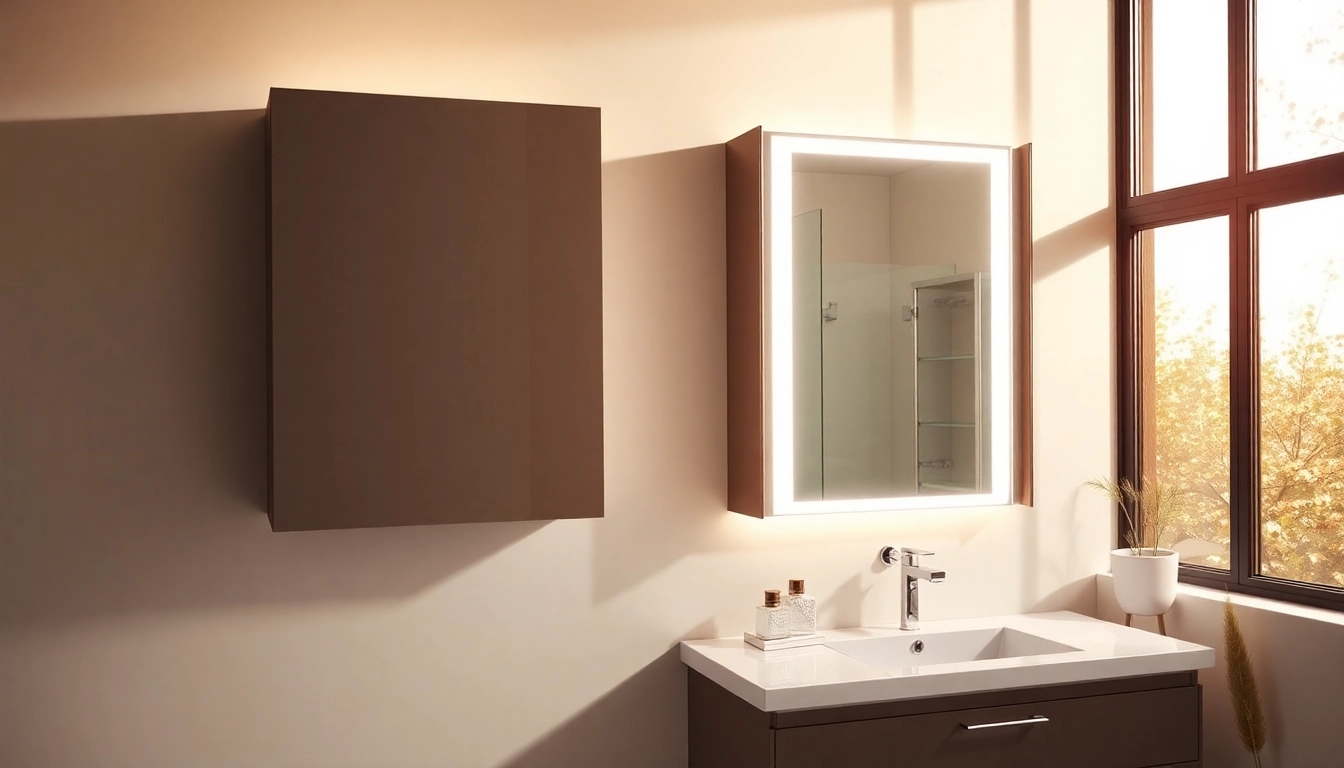
- Task Lighting: This is directed lighting meant for specific activities such as reading, cooking, or studying. Desk lamps, under-cabinet lights, and vanity lights fall into this category.
- Accent Lighting: Used to highlight particular features in a space, accent lighting can showcase artwork or architectural details using spotlights or wall sconces.
Choosing the Right Lighting Solutions
Assessing Your Space
Before selecting lighting solutions, it’s essential to assess the space in question. Evaluating factors such as room size, layout, and function will guide the decision-making process. Consider natural light availability, which can influence the amount and type of artificial lighting needed. For instance, a room with ample windows may only require supplemental lighting while a basement office may need a more robust solution to offset the lack of natural light.
Factors to Consider when Selecting Lighting
There are several key factors to consider when selecting lighting solutions:
- Purpose: Determine the primary functions of the space—different activities require different lighting.
- Light Quality: Consider color temperature (measured in Kelvins) as it affects the ambiance; warmer tones create intimacy while cooler tones promote focus.
- Energy Efficiency: Opt for energy-efficient lighting options like LED bulbs to reduce energy consumption and lower electricity bills.
Common Mistakes in Choosing Lighting Solutions
Avoiding common pitfalls can enhance the effectiveness of your lighting solutions:
- Ignoring Layered Lighting: Relying solely on one type of lighting can lead to shadows and insufficient illumination.
- Overly Bright Fixtures: Choosing lights that are too bright for the space can create glare and discomfort.
- Neglecting Dimmers: Failing to incorporate dimmers limits flexibility in adjusting mood and brightness for different occasions.
Innovative Lighting Solutions for Homes
Enhancing Aesthetics and Functionality
Innovative lighting solutions play a crucial role in enhancing both the aesthetics and functionality of homes. By utilizing fixtures that are visually striking and efficient, homeowners can elevate their spaces significantly. Innovative designs, such as sculptural pendant lights or recessed fixtures, can act as statement pieces while providing essential lighting.
Eco-Friendly Options
With increasing awareness of environmental sustainability, many are turning to eco-friendly lighting solutions. LED lights, solar-powered fixtures, and smart technology that optimizes energy use are excellent choices. These not only diminish energy costs but also have a lower environmental impact, making them a forward-thinking choice for today’s homeowners concerned with sustainability.
Smart Lighting Solutions
The rise of smart home technology has revolutionized lighting solutions. Smart lighting offers control over brightness, color, and scheduling through mobile applications or voice commands. Integration with home automation systems enhances convenience, allowing homeowners to adjust lighting settings based on time of day or activity, further optimizing energy use while ensuring comfort.
Commercial Lighting Solutions for Businesses
Lighting Solutions for Retail Spaces
In retail environments, lighting is crucial for attracting customers and showcasing products. The use of track lighting can highlight merchandise, while ambient lighting creates a welcoming atmosphere. Display lighting can focus attention on key items, while flexible lighting solutions can adapt to seasonal changes or promotional displays, enhancing the customer experience and driving sales.
Energy Efficiency in Commercial Lighting
Businesses face pressure to minimize operational costs, and lighting is often a significant portion of the energy bill. Businesses are increasingly opting for energy-efficient lighting solutions like LEDs, which not only consume less power but also have a longer lifespan. Implementing automated lighting controls that adjust based on occupancy can contribute significantly to energy savings.
Creating a Productive Work Environment
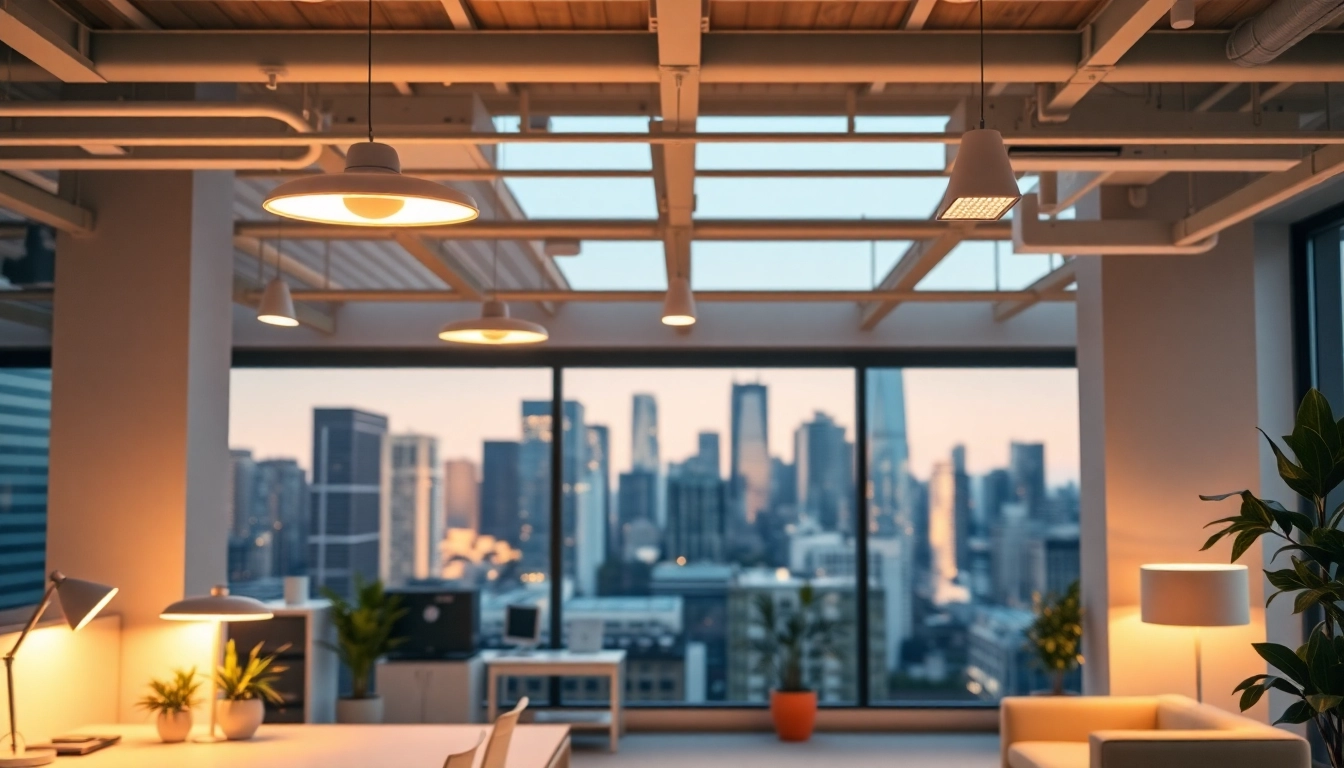
Lighting solutions in workplaces can greatly influence productivity and employee wellness. Natural light should be maximized where possible, as studies indicate it boosts mood and productivity. For spaces devoid of windows, bright white lighting is essential to replicate daylight effects. Additionally, versatile task lights can cater to different workstations, promoting optimal functionality throughout the day.
Maintenance and Upgrades for Lighting Solutions
Regular Maintenance Practices
To ensure the longevity and efficiency of your lighting solutions, regular maintenance is vital. This includes cleaning fixtures to remove dust and grime, checking for burned-out bulbs, and adjusting lighting equipment to prevent misalignment. Such practices can significantly extend the lifespan of the lighting system and maintain its performance.
Upgrading to Modern Lighting Solutions
Upgrading to modern lighting solutions can bring numerous benefits, from improved energy efficiency to enhanced aesthetic appeal. Transitioning from outdated technologies, such as incandescent bulbs, to LED solutions can drastically reduce energy costs. In addition, newer options often feature advanced functionality, such as color temperature adjustment and smart home compatibility, making them more versatile for varied applications.
Future Trends in Lighting Solutions
As technology advances, future trends in lighting solutions will likely focus on greater integration with smart technologies, human-centric designs, and sustainable materials. One emerging trend is human-centric lighting, which aims to promote well-being by mimicking natural light patterns. Innovations in smart lighting will likely continue to enhance convenience while contributing to reduced energy consumption and improved user control.
FAQs about Lighting Solutions
What are the benefits of energy-efficient lighting solutions?
Energy-efficient lighting solutions reduce electricity costs and environmental impact while providing quality illumination for various spaces.
How do I choose the best lighting solutions for my home?
Consider the space’s purpose, room size, and desired atmosphere to make informed decisions regarding lighting solutions.
What types of bulbs are best for lighting solutions?
LED bulbs are optimal due to their longevity, energy efficiency, and minimal heat output, making them a top choice in lighting solutions.
Can lighting solutions affect my mood?
Yes! Lighting solutions can significantly influence mood and productivity; warmer tones create comfort, whereas brighter light enhances focus.
How often should I maintain my lighting solutions?
It’s advisable to inspect and clean fixtures regularly, typically every 6-12 months, to ensure optimal performance and longevity.