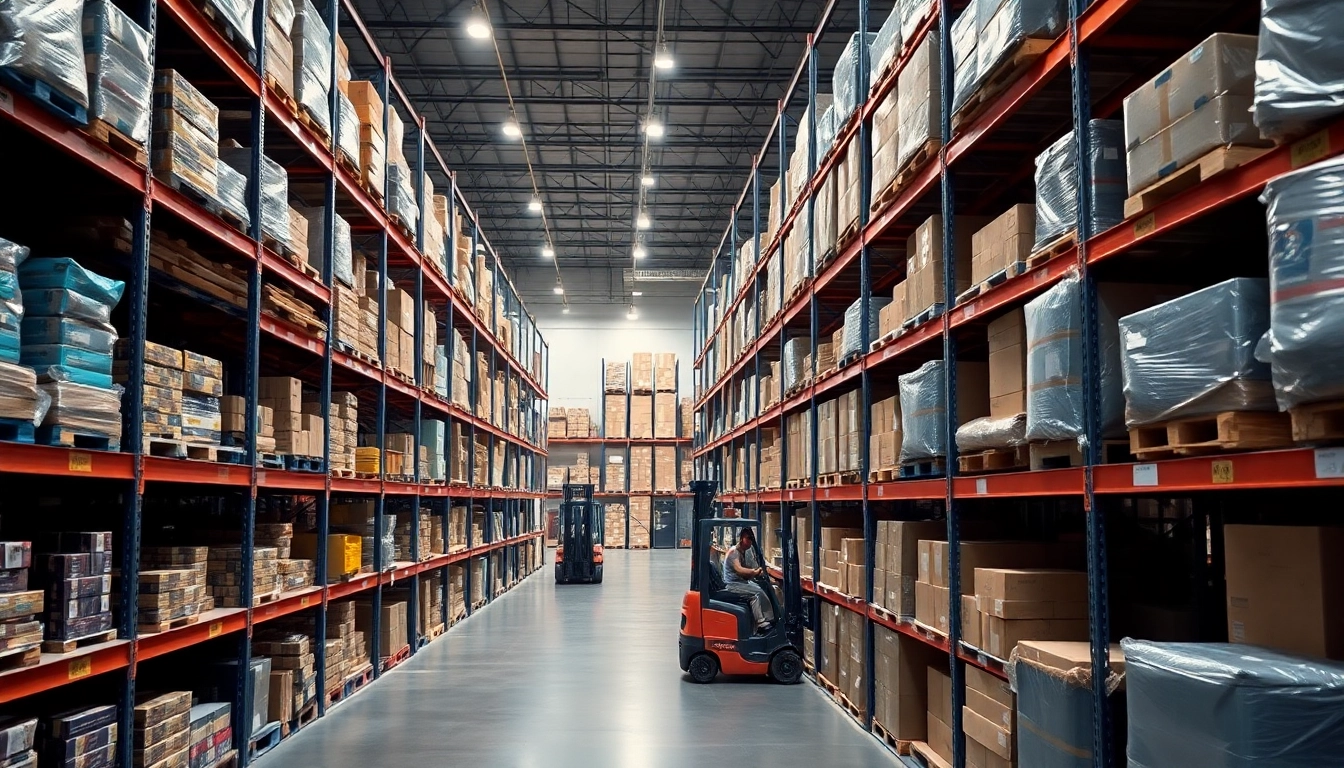
1. Introduction to Warehousing
Warehousing plays a pivotal role in the logistics and supply chain ecosystem, serving as a crucial link between manufacturers, suppliers, and customers. At its core, warehousing involves the storage of goods until they are ready for transport to retailers, distributors, or end consumers. The efficiency and effectiveness of warehousing operations can significantly impact overall business performance, making it an essential area for organizations to optimize. Companies involved in warehousing must understand the nuances of this field to leverage its advantages. In this article, we will delve into the various aspects of warehousing, including its definition, history, importance in supply chains, the types of warehousing, key functions, best practices, and future trends.
1.1 Definition of Warehousing
Warehousing is defined as the process of storing goods in a dedicated facility for a specified duration, typically until those goods are needed for distribution or sale. This storage is not merely a temporary haven; it provides crucial services like inventory management, order fulfillment, and transportation logistics. A warehouse can house a variety of products, from raw materials to finished goods, depending on the specific needs of the business.
1.2 History of Warehousing
The concept of warehousing can be traced back thousands of years when ancient civilizations stored grains and perishables in designated spaces to ensure supply during off-seasons. Over centuries, as commerce evolved and industrialization took hold, the nature of warehousing transformed. Warehouses became specialized facilities designed to optimize storage and distribution efficiency, equipped with technology to facilitate operations. The advent of e-commerce in the late 20th and early 21st centuries revolutionized warehousing yet again, pushing for faster delivery and increased complexity in inventory management.
1.3 Importance of Warehousing in Supply Chain
Warehousing is integral to a smooth-functioning supply chain. It helps manage fluctuations in supply and demand by balancing the rate at which products are produced and sold. Warehouses also minimize the risk of inventory shortages, support just-in-time delivery practices, and enable bulk purchases, which can lead to cost savings. Furthermore, a well-organized warehousing system enhances order fulfillment, thereby improving customer satisfaction and retention.
2. Types of Warehousing
Warehousing solutions are not one-size-fits-all; different types serve various purposes based on business needs, industry requirements, and operational capabilities. Here, we explore three primary types of warehousing.
2.1 Public Warehousing
Public warehousing facilities are available for rent to multiple businesses, making it an excellent option for companies looking to minimize their investment in storage space. This type of warehousing is typically utilized by organizations that require flexibility in storage duration and volume. Public warehouses often have shared facilities for different clients, which can lead to lower costs but may also come with less control over operations and logistics.
2.2 Private Warehousing
Private warehousing is owned and operated by a specific company, providing complete control over the storage and distribution processes. This type of warehousing is ideal for businesses that frequently manage large volumes of products and have long-term storage needs. While the initial investment is higher, companies benefit from tailored operations, enhanced security, and potential competitive advantages through custom processes or technology integration.
2.3 Automated Warehousing
Automated warehousing represents a modern approach to storage and distribution, leveraging technology to streamline operations and reduce human error. Automated systems may include robotics for picking and packing, conveyor systems for transporting goods within a facility, and AI-driven inventory management software. This innovation contributes to boosting efficiency, lowering operational costs, and accelerating order fulfillment processes, which are essential in today’s fast-paced market environments.
3. Key Functions of Warehousing
The effectiveness of warehousing can be evaluated based on its ability to perform several fundamental functions. Let's explore the key components that contribute to successful warehousing operations.
3.1 Receiving Goods
Receiving goods is the initial step in warehousing where products arrive at the facility. This process involves inspection and documentation to ensure that the right items and quantities have been delivered. Effective receiving practices can prevent future issues related to stock discrepancies or damaged goods. Additionally, implementing robust software can facilitate real-time tracking of incoming inventory, enhancing accuracy in inventory records.
3.2 Inventory Management
Managing inventory is a crucial function of warehousing, involving tracking stock levels, anticipating demand, and maintaining optimal quantities. Effective inventory management techniques like ABC analysis can guide businesses in prioritizing high-value stock. Moreover, implementing technology solutions such as Warehouse Management Systems (WMS) can offer real-time insights into inventory status, contributing to improved decision-making and resource allocation.
3.3 Order Fulfillment
Order fulfillment encompasses the entire process of receiving, processing, and delivering customer orders. Efficiency in this stage is vital, as it directly impacts customer satisfaction and loyalty. Warehouses must adopt streamlined picking and packing operations, utilizing methods like batch picking or wave picking to enhance productivity. Additionally, integrating technology for automated order tracking can enhance communication with customers regarding the status of their orders.
4. Best Practices in Warehousing
To maximize the effectiveness of warehousing operations, organizations should implement a range of best practices that focus on efficiency, safety, and compliance. Here are some strategies to consider:
4.1 Efficient Layout Design
The layout of a warehouse significantly influences workflow and productivity. A well-designed layout should minimize travel time for workers and facilitate quick access to high-demand items. Implementing principles of lean warehousing can help streamline operations by organizing tools, equipment, and inventory in a way that reduces waste and optimizes space usage.
4.2 Technology Integration
Integrating advanced technologies such as RFID systems, sensors, and automated equipment can vastly improve operational efficiency. These technologies enable real-time monitoring of inventory, improve picking accuracy, and accelerate order processing times. Additionally, investing in automation can help reduce labor costs and the risk of human error.
4.3 Safety and Compliance Standards
Maintaining safety and compliance standards is non-negotiable in warehousing operations. Businesses should regularly conduct training sessions for staff to educate them on safety protocols and workplace hazards. Implementing comprehensive safety audits and inspections can identify potential hazards, ensuring a safer work environment while also adhering to industry regulations and standards.
5. Future Trends in Warehousing
As the landscape of warehousing evolves, several trends are shaping its future. Keeping an eye on these developments can help organizations stay competitive and relevant in the market.
5.1 Sustainability Practices
With an increasing emphasis on environmental responsibility, many businesses are adopting sustainable practices in warehousing. This includes using energy-efficient lighting, optimizing transportation routes to reduce carbon footprints, and implementing recycling programs for packaging materials. Sustainable warehousing can lead to long-term cost savings while improving a company’s reputation with environmentally conscious consumers.
5.2 Impact of E-commerce on Warehousing
The rapid growth of e-commerce is reshaping warehouse operations, requiring businesses to adapt to new demands for speed and flexibility. This shift necessitates investments in technologies that enable faster order processing and improved inventory management. Moreover, the rise of same-day and next-day deliveries has led to the growth of micro-warehouses located closer to urban centers to facilitate quicker fulfillment times.
5.3 Innovations in Supply Chain Technology
Innovations in supply chain technology are continuously transforming warehousing practices. The increased use of Artificial Intelligence (AI) and Machine Learning (ML) allows for smarter inventory management and demand forecasting, while blockchain technology offers enhanced tracking and transparency throughout the supply chain. Staying abreast of these innovations can provide organizations with a competitive edge and improve operational efficiencies.