What is Mudjacking?
Definition and Overview of Mudjacking
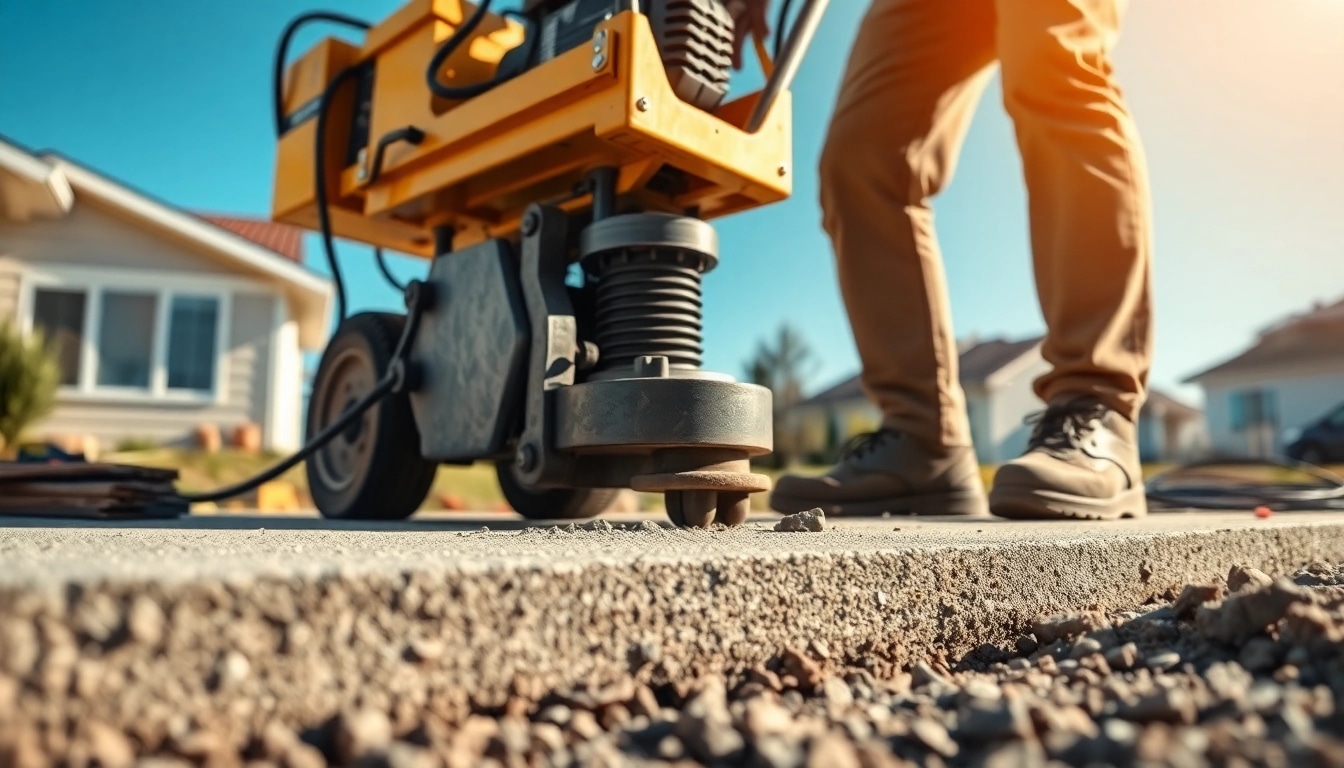
Mudjacking, also known as slab jacking or concrete lifting, is a method used to raise and level sunken concrete surfaces. This technique involves injecting a mixture, generally comprising a slurry of water, soil, and cement, beneath a concrete slab. This injected material fills voids and lifts the slab back to its original position. Mudjacking is often employed for sidewalks, driveways, patios, and even foundations. The primary goal is to restore the structural integrity of the concrete and enhance the aesthetic appearance of the property while offering an effective solution to ground settlement issues.
History and Evolution of Mudjacking
The practice of mudjacking dates back several decades, originating in the early 20th century alongside the development of concrete technologies. Initially used to remedy the settlement of foundations, the technique has evolved significantly. The early methods relied on simple mud mixtures, but advancements have led to stronger and more durable materials being employed. By the 1970s, mudjacking had gained popularity across the United States, primarily due to the construction boom and the subsequent need for maintenance in urban areas. Innovations in equipment and materials have transformed mudjacking into a more efficient and effective process, making it a widely accepted practice for repairing uneven concrete slabs.
Common Applications of Mudjacking
Mudjacking is a versatile service that can be applied in various scenarios, including:
- Residential Driveways: Unlevel driveways can be dangerous and unattractive; mudjacking can restore them to a safe state.
- Sidewalks: Sunken sidewalks can pose tripping hazards. Mudjacking effectively raises these slabs back into place.
- Patios: Outdoor living spaces often suffer from settling over time; mudjacking revitalizes these areas.
- Foundations: More severe cases where foundation settling occurs can also be addressed using mudjacking, albeit sometimes alongside other methods.
How Mudjacking Works
Process Steps Involved in Mudjacking
The mudjacking process involves several key steps, ensuring efficiency and effectiveness:
- Assessment: A thorough inspection of the affected concrete is conducted to determine the extent of the settling and any underlying issues.
- Drilling Holes: Small holes, usually 1-2 inches in diameter, are drilled into the concrete slab at specific intervals.
- Injection of Slurry: A specialized pump injects the mudjacking mixture into the holes. Pressure from the slurry lifts the slab back to its desired height.
- Sealing the Holes: Once the desired elevation is achieved, the holes are sealed with concrete or another durable filler.
- Final Inspection: A last inspection is performed to ensure the slab is level and stable.
Types of Materials Used in Mudjacking
The effectiveness of mudjacking largely depends on the materials used. Commonly utilized materials include:
- Cement Slurry: The most traditional method utilizes a mix of Portland cement, sand, and water.
- Polyurethane Foam: A newer alternative, this lightweight foam expands after injection, providing a strong lift and reducing the risk of future settling.
- Grout Mixes: Some contractors use a mix of water, sand, and clay for specific applications.
Factors Affecting Mudjacking Success
The success of a mudjacking project can be influenced by multiple factors:
- Cement Quality: High-quality cement should be used to ensure effective lifting over time.
- Soil Type: The type of soil beneath the concrete can affect the stability and the choice of materials used during mudjacking.
- Weather Conditions: Ideal conditions for mudjacking include dry weather; moisture can impact the curing process of the concrete.
Benefits of Mudjacking
Cost-effectiveness Compared to Other Solutions
Mudjacking is often more cost-effective compared to alternatives like complete slab replacement. The costs of mudjacking generally range from $3 to $6 per square foot, whereas replacing a slab can cost upwards of $15 per square foot. This makes mudjacking an attractive option for many homeowners seeking to maintain their property’s value without excessive expenditure.
Environmental Impact of Mudjacking
Environmentally, mudjacking presents a more sustainable option than concrete replacement. By reusing existing materials and minimizing waste, mudjacking contributes to a reduction in landfill usage. Moreover, the materials used in mudjacking can be sourced more sustainably, contributing to lower carbon footprints for structure repairs.
Durability and Longevity of Mudjacked Surfaces
When properly executed, mudjacking can extend the life of concrete surfaces significantly. Mudjacked areas can remain stable for years, provided that ongoing maintenance is performed and any underlying issues are addressed timely. Homeowners benefit from improved aesthetics as well as increased safety for pedestrians and vehicles alike.
Common Challenges in Mudjacking
Identifying Signs That Require Mudjacking
Recognizing early signs of concrete settling is crucial. Homeowners should be alert for:
- Cracks in the concrete surface or joints.
- Separation of the slab from other structures.
- Visible sinking or uneven surfaces.
- Puddling of water in certain areas after rain.
Potential Limitations of Mudjacking
While mudjacking is an effective solution, it does come with certain limitations. For instance, it may not be suitable in situations where:
- The soil has too much drainage or is badly eroded, which can cause more settlement.
- There are structural issues affecting the foundation itself, which may require different restoration methods.
- Severe weather conditions or changes in soil dynamics continue to threaten the structure.
Maintenance Tips Post-Mudjacking
To maximize the longevity of mudjacked surfaces, proper maintenance is essential. Some effective tips include:
- Regularly inspect the surface for new cracks or settling.
- Keep drainage systems clear to prevent excessive water accumulation.
- Consider resealing concrete surfaces to protect against water infiltration and environmental damage.
- Avoid heavy loads on recently lifted areas until the material has fully cured.
Choosing the Right Mudjacking Service
Key Factors to Consider When Hiring Professionals
Choosing an appropriate mudjacking contractor is crucial for success. Key factors to consider include:
- Experience: Look for contractors with a strong reputation and verified experience in mudjacking projects.
- References: Ask for examples and references from previous clients to gauge satisfaction levels.
- Insurance and Licensing: Make sure the contractor is licensed and insured to protect yourself in case of mishaps.
Questions to Ask Before Starting a Mudjacking Project
Before engaging a contractor, it is beneficial to ask the following questions:
- What type of materials do you use for mudjacking?
- Can you provide a detailed estimate of the cost involved?
- How long do you anticipate the project will take?
- What warranties do you offer on your services?
Examples of Successful Mudjacking Projects
Many successful mudjacking projects showcase the technique's effectiveness. For instance, a homeowner with a sinking driveway near a busy street opted for mudjacking. They experienced an improvement in both safety and aesthetics, encouraging positive feedback from neighbors and driving up property value. In another case, a commercial property benefitted from mudjacking to level their parking lot, which improved traffic flow and reduced liabilities related to uneven walking surfaces.