
UNDERSTANDING HVAC DUCT LEAKAGEHVAC duct leakage occurs when air escapes from your heating and cooling system before reaching the intended rooms. In Florida homes, havc duct leakage can cause uneven temperatures, higher energy bills, and reduced system efficiency. Addressing HVAC duct leakage is essential for improving comfort, saving energy, and extending the life of your HVAC system.
SIGNS OF HVAC DUCT LEAKAGERecognizing HVAC duct leakage early can prevent costly issues. Common signs include drafty rooms, uneven heating or cooling, high utility bills, and cold or hot spots near vents. If your HVAC system is running longer than usual without achieving desired temperatures, HVAC duct leakage may be the cause.
COMMON CAUSES OF HVAC DUCT LEAKAGESeveral factors contribute to HVAC duct leakage in Florida homes. Poor installation, aging or damaged ducts, and exposure to moisture or pests can create leaks. Ducts running through attics, crawl spaces, or unconditioned areas are particularly prone to HVAC duct leakage. Understanding these causes helps homeowners address the problem effectively.
DIY METHODS TO DETECT HVAC DUCT LEAKAGEHomeowners can identify HVAC duct leakage with simple techniques. Inspect duct joints visually, listen for hissing sounds, or use smoke sticks near potential leak points. While these methods are useful for preliminary detection, professional inspections provide more precise measurement of HVAC duct leakage.
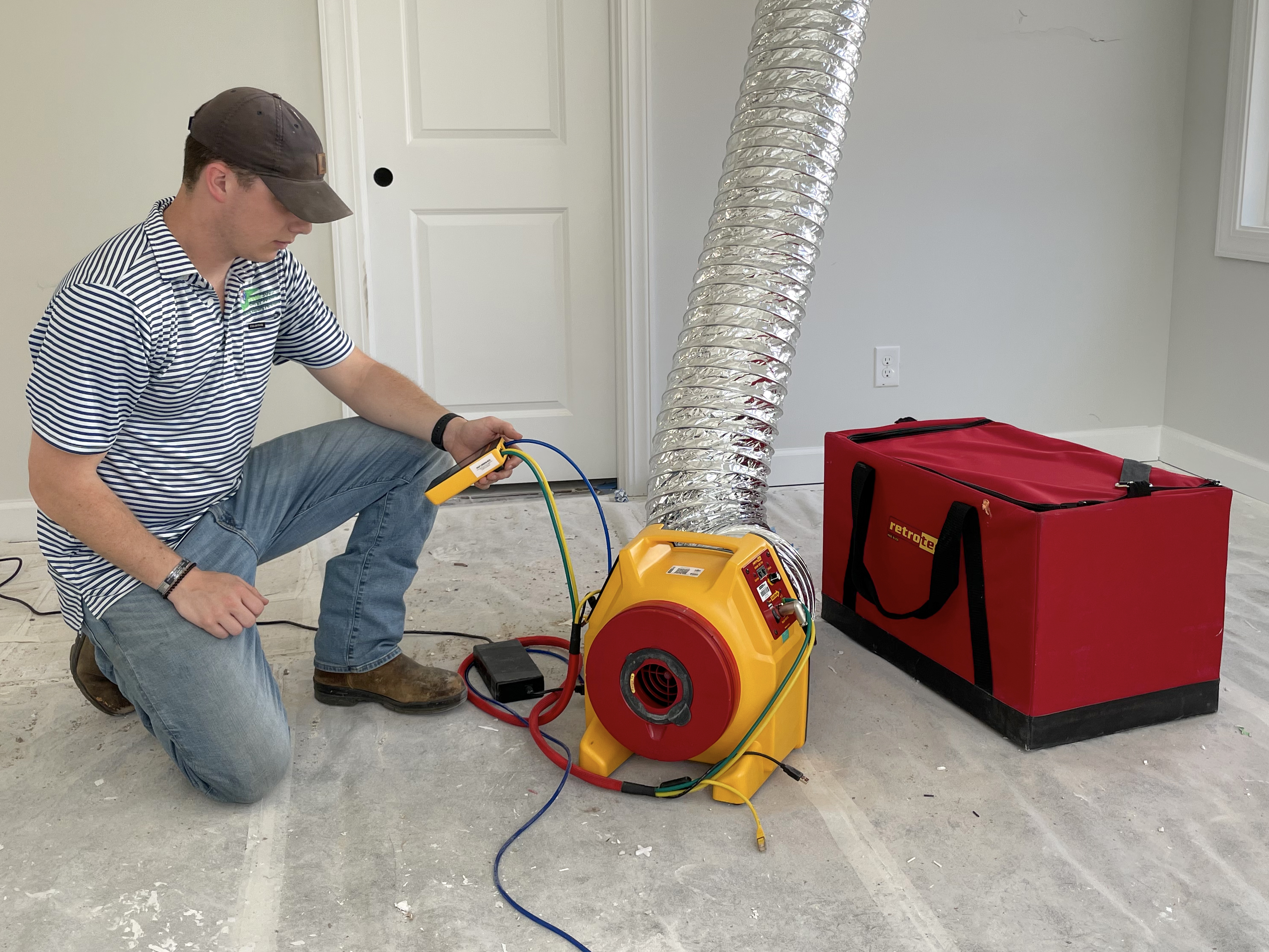
PROFESSIONAL INSPECTION AND TESTINGCertified HVAC technicians can perform duct blaster tests and pressure measurements to detect HVAC duct leakage accurately. Professional inspection ensures all leaks are identified and repaired, preventing energy waste and improving system efficiency. Regular professional checks are an effective way to manage HVAC duct leakage.
SEALING AND REPAIRING HVAC DUCT LEAKAGERepairing HVAC duct leakage involves sealing joints and damaged areas using mastic sealant or metal tape. Avoid using standard duct tape, as it deteriorates quickly. Properly sealed ducts enhance airflow, improve energy efficiency, and reduce strain on the HVAC system. Effective HVAC duct leakage repair improves both comfort and performance.
ENERGY EFFICIENCY AND COST SAVINGSFixing HVAC duct leakage directly impacts energy bills. Leaky ducts force the system to work harder, consuming more electricity. By sealing leaks and improving airflow, homeowners can reduce energy consumption and save money. Addressing HVAC duct leakage is one of the most cost-effective ways to enhance energy efficiency.
IMPROVING INDOOR COMFORTRepairing HVAC duct leakage also improves indoor comfort. Leaks can create hot and cold spots, reduce airflow, and make rooms uncomfortable. Properly sealed ducts distribute air evenly, ensuring consistent temperatures and a more comfortable living environment throughout your home.
MAINTENANCE TIPS TO PREVENT HVAC DUCT LEAKAGERegular maintenance helps prevent HVAC duct leakage from recurring. Inspect ducts periodically, repair any damage, and ensure insulation remains intact. Scheduling professional maintenance once or twice a year can detect hidden leaks early, keeping your system efficient and reducing future HVAC duct leakage.
CONCLUSIONHVAC duct leakage is a common issue that affects comfort, energy efficiency, and system performance in Florida homes. Detecting and repairing leaks using DIY methods or professional services is essential. By sealing ducts, maintaining your HVAC system, and implementing preventive strategies, homeowners can minimize HVAC duct leakage, lower energy bills, and enjoy consistent indoor comfort year-round. Addressing HVAC duct leakage is an investment that pays off in energy savings, comfort, and system longevity.