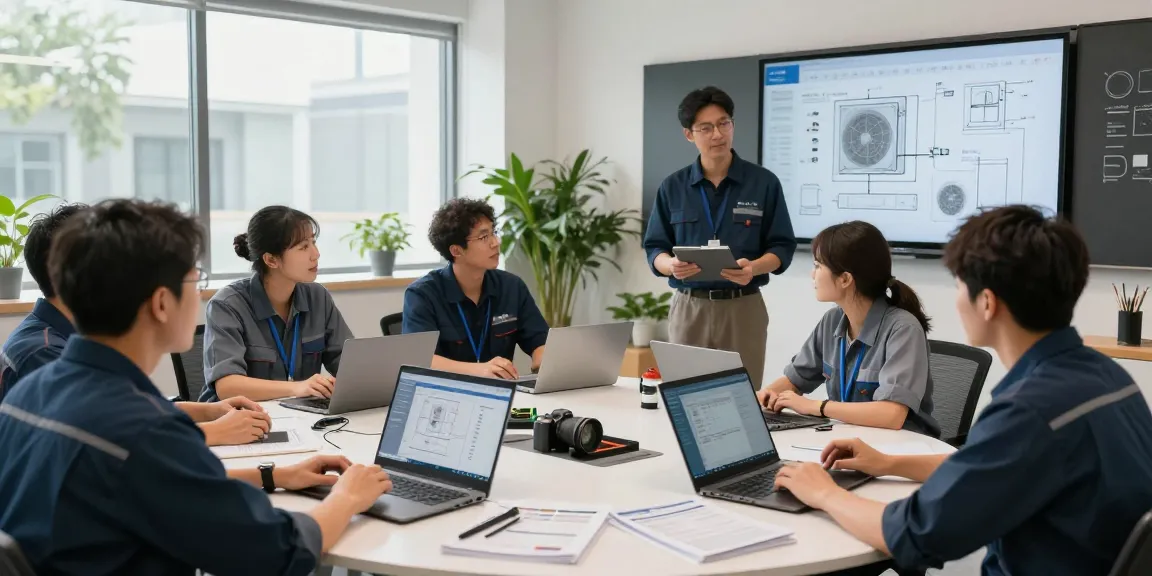
Understanding the Role of a New Jersey Commercial General Contractor
What is a Commercial General Contractor?
A commercial general contractor plays a pivotal role in the construction landscape, focusing primarily on commercial projects. These contractors are responsible for the comprehensive management of construction activities, from planning to execution. This encompasses everything from budgeting and scheduling to coordinating workers and subcontractors. In New Jersey, where the construction industry is robust, hiring a skilled New Jersey Commercial General Contractor ensures that businesses can navigate the complexities of building or renovating commercial properties effectively.
The Benefits of Hiring a New Jersey Commercial General Contractor
Opting to hire a commercial general contractor in New Jersey comes with numerous advantages. Firstly, these professionals bring a wealth of specialized knowledge that can translate into significant savings, not only in terms of project costs but also time. They often have established relationships with subcontractors and suppliers, which can lead to better pricing and reliable work schedules. Additionally, a general contractor in New Jersey is well-versed in local building regulations and codes, ensuring that all projects comply with legal standards, which mitigates the risk of expensive fines or reconstruction later on.
Key Responsibilities of a Commercial General Contractor
The responsibilities of a commercial general contractor are diverse and critical to project success. They include:
- Project Management: Overseeing every phase of the construction process, managing resources, and ensuring the project stays on schedule.
- Budgeting and Financial Oversight: Preparing and managing budgets, providing financial reports, and ensuring accountability for expenditures.
- Staff Management: Hiring and supervising laborers and subcontractors, fostering a safe and teamwork-oriented environment.
- Quality Assurance: Ensuring that all work meets the required standards and specifications while adhering to timelines.
Critical Factors to Consider When Choosing a New Jersey Commercial General Contractor
Assessing Experience and Expertise
Choosing the right commercial general contractor begins with assessing their experience and expertise. Look for contractors who have a proven track record in managing projects similar to yours. Consider the scale and complexity of past projects, as having experience in the specific type of construction you need—whether it's retail, office space, or industrial buildings—can be advantageous. Request case studies or references to gauge their competency levels and client satisfaction.
Checking Licenses and Insurance
Verification of licenses and insurance is crucial when selecting a contractor. In New Jersey, commercial contractors must have the necessary licenses to operate legally. Additionally, they should carry liability and worker's compensation insurance. This protects you as a client from liabilities in case of accidents or damages during the construction process. Before signing any agreement, request verification of these credentials to ensure compliance and safeguard your investment.
Understanding Contract Terms
A clear and comprehensive contract is fundamental to a successful working relationship with your contractor. Pay close attention to terms regarding scope, timelines, payment schedules, and clauses for revision or cancellation. Make sure all aspects of the project are covered, including materials, labor, and any contingencies. If something seems unclear or vague, don’t hesitate to seek clarification before moving forward.
Evaluating Project Management Skills of a New Jersey Commercial General Contractor
Communication and Coordination
Effective communication is key to successful project management. A competent commercial general contractor will have a structured communication plan to keep all stakeholders informed. They should be able to articulate project status updates and any potential challenges clearly. Furthermore, strong organizational skills are essential for coordinating subcontractors and ensuring everyone is aligned on project goals. Ask potential contractors about their communication strategies and how they handle issues that may arise.
Quality Control and Safety Management
Quality control should be an inherent part of the contractor's ethos. An effective contractor should implement rigorous quality assurance processes to ensure that work meets specified standards. This includes regular inspections and a commitment to using quality materials. Safety management is equally critical; the contractor should demonstrate a proactive approach to safety, including worker training and adherence to OSHA regulations to minimize accidents on site.
Timeline Management and Delivery
An essential metric for evaluating a contractor's project management skills is their ability to meet timelines. Ask prospective contractors about their planning methodologies and how they handle potential delays. Effective timeline management can help minimize disruptions in operations, ensuring the project is completed when promised. Look for contractors who track progress systematically and can adapt quickly to unforeseen circumstances without compromising on quality.
Common Challenges Faced with a New Jersey Commercial General Contractor
Cost Overruns and Budget Management
One of the most common challenges in commercial construction is cost overruns. It is critical to establish comprehensive and realistic budget estimates from the beginning. Regular monitoring of expenses and maintaining open communication regarding financial matters can help keep the project on track. When selecting a contractor, inquire about their approach to budget management and how they plan to prevent cost overruns.
Delays and Scheduling Conflicts
Delays can significantly impact project timelines, often due to scheduling conflicts, supply chain issues, or unforeseen circumstances like weather. A reliable contractor should have contingency plans in place to address potential delays proactively. Discuss past experiences with delays and what strategies the contractor implemented to navigate those challenges. Their responses can offer insights into their planning and problem-solving capabilities.
Quality Assurance Issues
Ensuring consistent quality throughout the construction process can be difficult. It's essential to maintain open lines of communication with your contractor to address any quality concerns promptly. Regular site visits, combined with documented quality checks, can help ensure that standards are consistently met. Make sure to clarify quality expectations during the contracting process to reduce the likelihood of issues arising later.
Frequently Asked Questions about New Jersey Commercial General Contractors
Do I need a licensed contractor for my commercial project?
In New Jersey, it’s essential to hire a licensed contractor for commercial projects to ensure compliance with state regulations. While licensing specifics can vary, a licensed contractor guarantees adherence to building codes and standards.
What factors affect the cost of hiring a contractor?
The cost of hiring a contractor depends on several factors, including the scope of the project, materials, labor rates, and the complexity of the work. Additional considerations can include project location and timeline.
How do I verify a contractor's credentials?
To verify a contractor's credentials, check their licensing with the state, ensure they have proper insurance coverage, and review online ratings or references for their past projects. It’s crucial to request documentation proving their qualifications.
What should I include in a contract with a contractor?
Your contract should outline the project scope, timeline, payment schedule, and responsibilities of both parties. Include details about materials and any contingencies, along with clauses addressing potential delays or changes.
Can I switch contractors mid-project?
Switching contractors mid-project can be complicated and costly. If issues arise, it's crucial to assess the reasons before making a decision. Consulting legal professionals can provide guidance on how to proceed without incurring significant penalties.