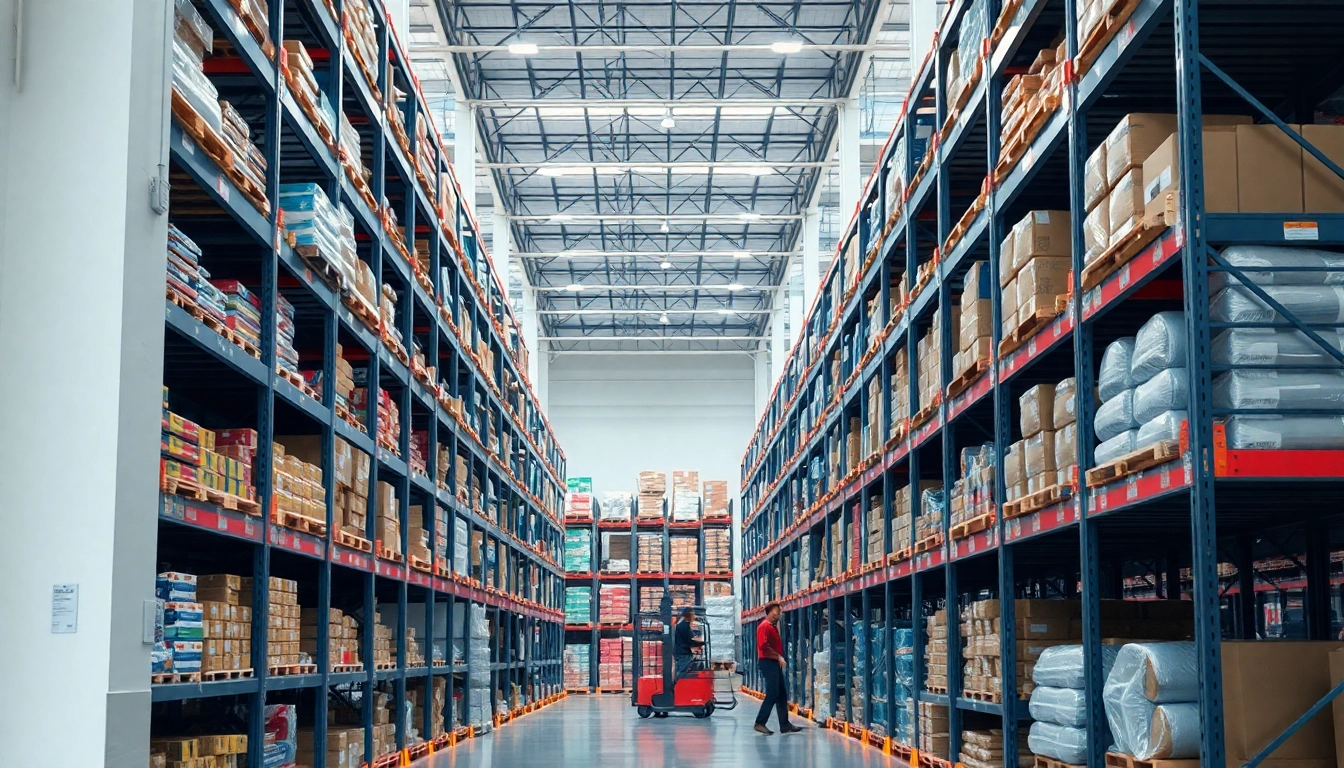
Understanding Your Warehouse Needs
When you find yourself typing warehouse near me into your search engine, you're likely embarking on an essential mission to identify and secure the appropriate storage and distribution space for your business. Before you dive into the search process, it’s crucial to clearly define your specific needs. This includes understanding space requirements, desired location, accessibility, and specific facility features that will best suit your operations. Taking the time to assess these factors will ensure that your search is efficient and targeted, ultimately saving you time and resources.
Identifying Space Requirements
The first step in your warehouse search is to understand how much space you actually need. This involves more than just estimating the square footage required to store your products; it includes evaluating your entire operational workflow. Consider factors such as:
- Inventory Size: Assess your current and projected inventory levels to determine the necessary storage capacity. Also consider the type of goods you’re storing, as certain products may require special storage conditions.
- Operational Efficiency: Think about how your goods flow through the facility. Will you need space for receiving, processing, and shipping, or will most of your operations be concentrated on storage?
- Future Growth: Plan for scalability. A warehouse that meets your current needs may not suffice as your business grows, so consider potential growth in your space calculations.
Assessing Location and Accessibility
Location is a critical component of your warehouse search. A well-placed warehouse can significantly enhance your supply chain efficiency. Here are key factors to consider when selecting a location:
- Proximity to Major Transportation Routes: Choose a location near highways, ports, or railroads to facilitate shipping and receiving goods.
- Access to Market Demand: Being closer to your primary customer base can reduce delivery times and enhance customer satisfaction.
- Labor Availability: Ensure the area has a reliable workforce that can support your operational needs.
Analyzing Facility Features
Beyond location and space, you'll want to critically evaluate facility features that can impact your operations. Important features to consider include:
- Ceiling Height: Higher ceilings allow for stack storage, which can maximize your space utilization.
- Dock Access: Examine how many loading docks are available and their configurations, which can directly affect inbound and outbound logistics.
- Safety and Security Systems: Ensure the property has adequate security measures and safety features to protect both your inventory and staff.
Searching for Warehouse Near Me Effectively
Once you’ve outlined your needs, it's time to search for potential warehouses. Efficient searching combines a blend of technology, community outreach, and understanding market dynamics.
Utilizing Online Marketplaces
Online marketplaces have revolutionized the way businesses find warehousing solutions. These platforms allow you to filter searches based on parameters like location, size, and price. Websites that specialize in commercial real estate may provide up-to-date listings, comprehensive descriptions, and even virtual tours of available properties. Leveraging such tools can streamline the search process.
Networking for Hidden Opportunities
In addition to using online marketplaces, don’t underestimate the power of networking. Engaging with local business associations or industry-specific groups can help uncover warehouse spaces that may not be listed online. Building relationships with real estate brokers specializing in commercial properties can also provide insights into locations that meet your criteria.
Understanding Lease vs. Purchase Options
Deciding whether to lease or purchase your warehouse facility is a key aspect of strategic planning. Both options have their benefits:
- Leasing: Leasing can provide flexibility, allowing you to adapt to changing business needs without the long-term commitment of purchasing. This can be especially useful for startups or businesses with variable inventory needs.
- Purchasing: Owning a warehouse can provide more control over your operational environment. Additionally, property appreciation can add long-term value to your assets.
Evaluating Warehouse Options
After narrowing down your options, it's crucial to evaluate each potential warehouse critically. The evaluation process should focus on both financial implications and operational viability.
Comparing Costs and Contracts
Your overall budget will heavily influence your selection of a warehouse. It’s essential to look beyond the headline rental or purchase prices:
- Hidden Fees: Investigate whether there are additional costs such as maintenance fees, property taxes, or utilities that will impact your budget.
- Historical Costs: Researching historical price trends in the area can provide insights into future costs and help you negotiate better terms.
- Contract Terms: Thoroughly review any lease or purchase agreements, ideally with assistance from a legal professional, to avoid unexpected obligations or terms.
Conducting Site Visits
Always conduct thorough site visits as part of your evaluation process. During your visit, focus on tangible aspects such as:
- Condition of the Property: Inspect both the exterior and interior of the warehouse for any signs of damage or needed repairs.
- Surrounding Environment: Evaluate the neighborhood to understand potential risks and logistics challenges.
- Space Utilization: Consider how easy it would be to maneuver within the warehouse, particularly if you plan to use forklifts or other machinery.
Examining Safety Standards
Safety should always be a top priority in warehousing. Before making any commitments:
- Compliance with Regulations: Ensure that the property meets all local safety and health regulations, such as fire safety codes and accessibility standards.
- Infrastructure for Safety Measures: Assess whether the facility is equipped with necessary safety features, including fire alarms, emergency exits, and surveillance systems.
- Employee Safety Programs: Inquire about the safety training and programs offered to warehouse staff, as a well-prepared workforce is essential for operations.
Negotiating Lease Terms
Once you've identified a suitable warehouse, the next step is to negotiate the lease terms. This process can significantly impact your operational costs and flexibility.
Understanding Market Rates
Before entering negotiations, it’s imperative to have a clear understanding of market rates in your desired area. This requires research and data collection:
- Competitive Pricing: Compare similar properties to assess if the asking price is reasonable.
- Market Trends: Understand the overall market conditions—are prices rising or stable, and what factors are influencing this trend?
- Time on Market: If a property has been on the market for an extended period, it may indicate a willingness on the owner’s part to negotiate.
Seeking Legal Advice
Engaging legal professionals during negotiations can protect your interests. An attorney familiar with commercial leases can help you:
- Identify Risks: Spot potentially problematic clauses in the contract that could lead to legal issues in the future.
- Ensure Clarity: Help ensure that all terms, conditions, and obligations are articulated clearly to avoid confusion or misinterpretation.
- Negotiate Terms: Assist in creating a more favorable agreement that meets your unique business needs.
Identifying Key Negotiation Points
When negotiating lease terms, focus on key points that can affect your operational flexibility:
- Length of Lease: Consider negotiating shorter lease terms that allow for flexibility if your business needs change.
- Termination Clauses: Seek terms that allow for early termination without excessive penalties.
- Maintenance Responsibilities: Clarify which party is responsible for maintenance and any related costs to avoid disputes later.
Post-Acquisition: Setting Up Your Warehouse
Once you’ve secured a warehouse, the focus shifts to effectively setting it up for your operations. This involves strategic planning and execution in designing layouts, implementing technology, and ensuring staff are well-trained.
Designing Efficient Layouts
Efficiency is crucial in a warehouse. A thoughtfully designed layout can improve workflow, reduce transit times, and increase productivity:
- Flow of Goods: Plan an optimized flow that minimizes bottlenecks by strategically placing storage areas, packing stations, and loading docks.
- Zoning Areas: Designate specific zones for receiving, storage, picking, packing, and shipping to streamline operations.
- Accessible Pathways: Ensure that paths are clear and marked to facilitate easy navigation for staff and equipment.
Implementing Technology Solutions
Integrating the right technology can enhance efficiency and accuracy in warehouse operations:
- Warehouse Management Systems (WMS): These software solutions can help optimize inventory tracking, order fulfillment, and reporting.
- Automated Solutions: Consider automation tools such as conveyors or robotic pickers to reduce labor costs and increase speed.
- Data Analytics: Use data analytics to improve decision-making and operational efficiency; for instance, by identifying trends in inventory turnover.
Training Staff for Optimal Operations
Your staff is the backbone of your warehouse operation. Comprehensive training is essential to ensure safety and efficiency:
- Safety Training: Conduct regular safety sessions to ensure all employees are aware of best practices and emergency protocols.
- Operational Efficiency Training: Train staff on the technologies used and on efficient picking and packing strategies to minimize errors and enhance productivity.
- Regular Evaluations: Implement continual assessment processes to identify areas for improvement and additional training needs.
Conclusion
Searching for the right warehouse is a multifaceted task that requires careful evaluation and strategic planning. By understanding your needs, searching effectively, evaluating options thoroughly, negotiating wisely, and setting up your space efficiently, you can find a warehouse that not only meets your current demands but positions your business for future growth. Whether you're launching a new venture, expanding your operations, or optimizing your logistics, the insights shared in this guide will support you in your journey toward finding the ideal warehouse near you.