
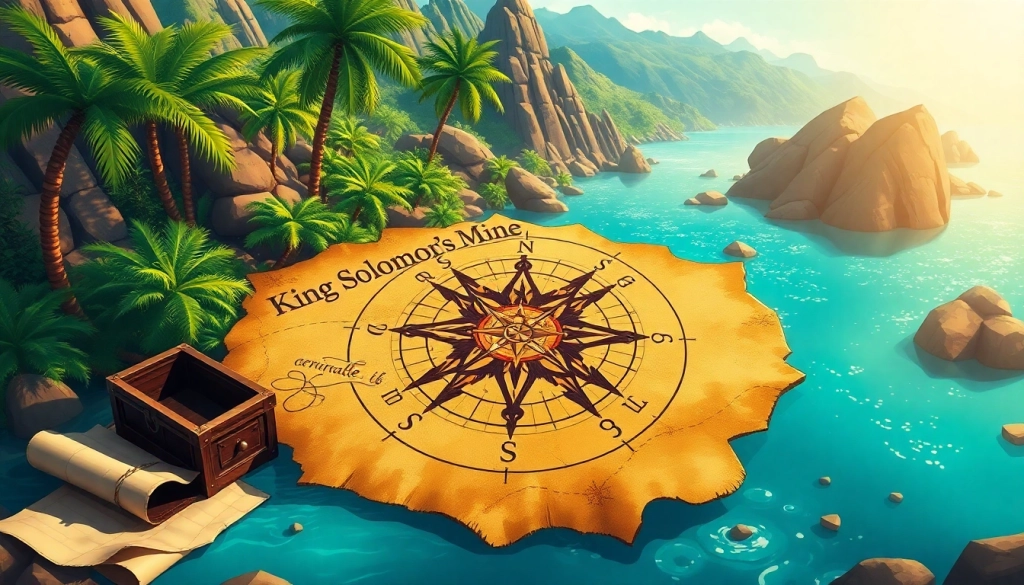
The Mythical Origins of King Solomon’s Mine
The Historical Context and Folklore
The legend of King Solomon’s Mine can be traced back to ancient texts and folklore, embedding it deeply into the cultural fabric of various civilizations. The biblical King Solomon, renowned for his wisdom, wealth, and magnificent infrastructures—such as the Temple of Solomon—has been romantically associated with treasure, particularly gold and gems. This narrative has sparked imaginations and inspired many a quest for fortune. The origin of the mine, however, appears to be shrouded in mystery, weaving together strands of historical facts with mythological embellishments.
The earliest mentions of a treasure associated with Solomon vary from the King Solomon’s Mine tales in Africa to the distant lands of the Arabian Peninsula, indicating that the allure of Solomon’s riches traverses cultures and time. South African lore suggests that indigenous tribes believed these mines to be the remnants of Solomon’s reign, illustrating how deep and expansive this myth runs through geographical and historical narratives.
Key Characters in the Legend
Delving into the lore surrounding King Solomon’s Mine reveals a trio of notable characters whose contributions shape the myth. First is King Solomon himself, the wise monarch of Israel, often depicted as the archetype of benevolence and prosperity. His reign represents an era of peace and abundance, leading to an insatiable interest in the treasures he supposedly amassed.
A secondary figure in this tale is the Queen of Sheba, who traveled to Jerusalem to test Solomon’s wisdom and was accredited with sharing the riches and secrets of her kingdom. This encounter has bred a narrative where the two sovereigns exchanged wealth and knowledge, enhancing the mystique surrounding the location of Solomon’s riches.
Finally, the legendary figures like Hiram Abiff, a master builder associated with the Temple of Solomon, also appear in tales linked to the mines, introducing themes of craftsmanship and the secrets of construction. Together, these characters create a rich tapestry of storytelling that continues to evolve through generations.
Cultural Significance Across Civilizations
The legend of King Solomon’s Mine extends beyond borders, influencing various cultures that adopted and adapted the story over centuries. In African culture, the tale became entwined with local beliefs, transforming Solomon into a figure of folklore where moral lessons often highlight greed and the consequences of seeking wealth without wisdom.
In contrast, Western portrayals emphasize the adventure and exploration aspects of the story, echoing the age-old pursuit of treasure as epitomized in works by authors such as H. Rider Haggard in his novel titled “King Solomon’s Mines.” These narratives encouraged explorations in Africa and speculative treasure hunting through literature and film, igniting fascination in places far removed from their origins.
Ultimately, the cultural significance of King Solomon’s Mine illustrates humanity’s perpetual quest for understanding wealth, wisdom, and the intertwining of myth with reality.
Geographical Exploration of King Solomon’s Mine
Potential Locations and Evidence
The geographical exploration of King Solomon’s Mine has occupied many scholars and adventurers over the last few centuries. Various locations have been proposed, each grappling with legend and evidence. The most common hypothesis places the mine in the heart of southern Africa, particularly in South Africa’s mountainous regions, attributed to the early prospectors and explorers who shaped the modern narrative of this treasure.
In their search for historical clues, researchers have discovered remnants of old mining operations along with gold-bearing quartz deposits, which have fueled theories that actual mines existed, potentially linked to the mineral wealth described in the fables. Areas such as the Goldfields of Johannesburg and the Witwatersrand have been focal points due to their mineral richness, corresponding to the legendary opulence attributed to Solomon.
Impact of Geography on the Legend
The geographical elements surrounding the proposed locations of King Solomon’s Mine inherently impact the legend itself. The rugged terrains and remote wilderness contribute to a sense of adventure while also embodying the challenges associated with treasure hunting—dangers including disease, hostile wildlife, and difficult navigation.
Moreover, the cultural landscape of the region—the tribes that inhabit these areas, their stories, and rituals—serve to deepen the mystique of the myth, often creating an environment steeped in both fear and allure of the unknown. Such interplay of geography and folklore enriches the King Solomon’s Mine narrative, drawing visitors and treasure hunters alike.
Modern Searches and Archaeological Findings
The quest for the legendary King Solomon’s Mine continues to excite modern adventurers, archaeologists, and historians alike. Technological advancements and archaeological methods have allowed contemporary researchers to engage with remnants of history in ways previous generations could only dream of. Excavations, remote sensing, and interdisciplinary approaches—including geology, anthropology, and history—have all informed searches for the elusive treasures.
Notable is the work of treasure hunters as well as academic studies that attempt to verify the existence of extensive mine networks hinted in ancient texts. Though each search yields more questions than answers, every discovery fuels ongoing interest and speculation regarding the true location of the mine.
Artistic Representations Related to King Solomon’s Mine
Movies and Literature Featuring the Legend
The realm of art and literature has been significantly influenced by the legendary tale of King Solomon’s Mine, fostering rich narratives that capture the imaginations of audiences worldwide. H. Rider Haggard’s novel, “King Solomon’s Mines,” published in the late 19th century, ushered in a new genre of adventure literature, pioneering thrilling explorations and treasure hunts that resonate to this day.
Following the literary success, film adaptations emerged, most notably the 1950 film, which brought the excitement of treasure hunting to the silver screen. Such representations have not only introduced the story to broader audiences but have perpetuated the mythos surrounding the sought-after riches. These adaptations often blend elements of adventure with romanticism, influencing public perceptions of African cultures and the treasure myth itself.
Visual Arts and Interpretations
Beyond literature and film, King Solomon’s Mine has inspired a myriad of visual arts. Artists paint scenes rich with gold-laden mines, exotic landscapes, and adventurous explorers, portraying both the treasures sought and the dangers faced. These artistic expressions reflect cultural interpretations, often challenging viewers to question their understanding of wealth, power, and morality.
Exhibitions showcasing artwork influenced by the lore of King Solomon’s Mine can be found in various galleries worldwide, promoting discussions surrounding cultural appropriation and interpretation of African myths in the modern world. As such, the artistic reflections on this legend serve to shed light on the complex socio-political histories that underpin these stories.
How the Story Inspires Modern Creatives
The allure of King Solomon’s Mine continues to fuel the creativity of modern writers, filmmakers, and artists. The timeless themes of adventure, wealth, and wisdom not only resonate with readers but also challenge creators to reimagine the narrative in contemporary contexts. Whether it be through storytelling that emphasizes climate change and its effects on indigenous lands or art that critiques colonial histories, the imaginative possibilities are boundless.
Workshops, discussions, and festivals dedicated to storytelling often draw upon the legacy of King Solomon’s Mine as a source of inspiration, proving that even centuries-old legends can evolve and remain relevant. The adaptability of its narrative empowers a new generation of creators to engage with the profound themes it embodies.
The Legacy of King Solomon’s Mine in Modern Culture
King Solomon’s Mine in Popular Media
The lasting legacy of King Solomon’s Mine within popular media can be seen in numerous facets of contemporary culture. The motifs of treasure hunting—spanning adventure, mystery, and discovery—remain persistent in movies, novels, and gaming. Influences can be traced from archaeological fantasies to modern-day thrillers, indicating a continued fascination with the riches, wisdom, and dangers associated with the legendary mine.
Furthermore, video games often incorporate elements of mythical quests, encouraging players to embark on treasure hunts reminiscent of those inspired by the legend of King Solomon’s Mine. The intersection of history, technology, and creativity demonstrates the enduring appeal of the narrative, adapting it for new mediums and audiences.
The Legend’s Influence on Tourism
The myth of King Solomon’s Mine has played a pivotal role in the development of tourism in regions purported to be connected to the legendary treasures. Locations tied to the legend, whether through historical associations or speculative narratives, attract visitors eager to uncover the truth behind the myth.
Tours often focus on local folklore, blending cultural heritage with the legend itself, offering visitors a more profound connection to the stories of the land. Cultural preservation intertwined with tourism underscores the necessity of respecting indigenous narratives and communities while still embracing the curiosity that drives the legend forward.
The Enduring Fascination with Treasure Hunts
The fascination with treasure hunting, stemming from tales like that of the King Solomon’s Mine, reflects an inherent human desire to seek adventure and potentially change one’s fortune. The thrill of the chase resonates deeply within the psyche, as treasure hunts symbolize the pursuit of something greater—unearthing hidden truths and unraveling mysteries.
This urge continues to manifest through community events, real-life treasure hunts, and literature encouraging individuals to engage with the world around them. Furthermore, the legend motivates players to think critically about discovery, ethics in the treasure-hunting community, and stewardship of historical sites, demonstrating the complex ways myths like King Solomon’s Mine shape modern perspectives.
Lessons from the Legend of King Solomon’s Mine
Values Embodied in the Story
The tale of King Solomon’s Mine imparts valuable lessons transcending time and culture, offering insights into human behavior and societal values. Central to the narrative is the significance of wisdom over wealth—as expressed through King Solomon’s reputation—suggesting that knowledge and understanding yield greater rewards than material riches.
Moreover, the cautionary elements of the narrative—highlighting the perils of ambition and avarice—encourage critical reflections on one’s aspirations and the methods employed to achieve them. Embodied values such as respect, responsibility, and humility emerge from the story, resonating across cultural boundaries.
Practical Applications in Modern Life
In an increasingly materialistic world, the lessons derived from King Solomon’s Mine can serve as guiding principles for individuals navigating the complexities of life, both personally and professionally. The importance of seeking wisdom and knowledge over mere acquisition of wealth fosters healthier interactions with others, promoting collaboration over competition.
Additionally, acknowledging the consequences of one’s pursuits encourages individuals to reevaluate their motivations, leading to more thoughtful decision-making processes that consider the ethical implications of their actions.
How Myths Like This Shape Our Perspectives
Myths hold immense power in shaping the collective understanding of cultures, providing a reference point for values, conflicts, and aspirations. The legend of King Solomon’s Mine serves as a reminder of the complexities woven into the human experience—wealth can attract but may also corrupt; knowledge is essential for true riches. These narratives inform societal dialogues about ethics, integrity, and the roles of individuals within their communities.
As explorations of King Solomon’s Mine unfold through various mediums, they invite introspection and awareness of the legacies we carry forward, crafting a lens through which to view the world. The study of such myths enables us to grasp the beauty, struggles, and aspirations inherent in the human story, providing boundless opportunities for reflection as we navigate our paths in life.