Understanding Fly Fishing Nets
What is a Fly Fishing Net?
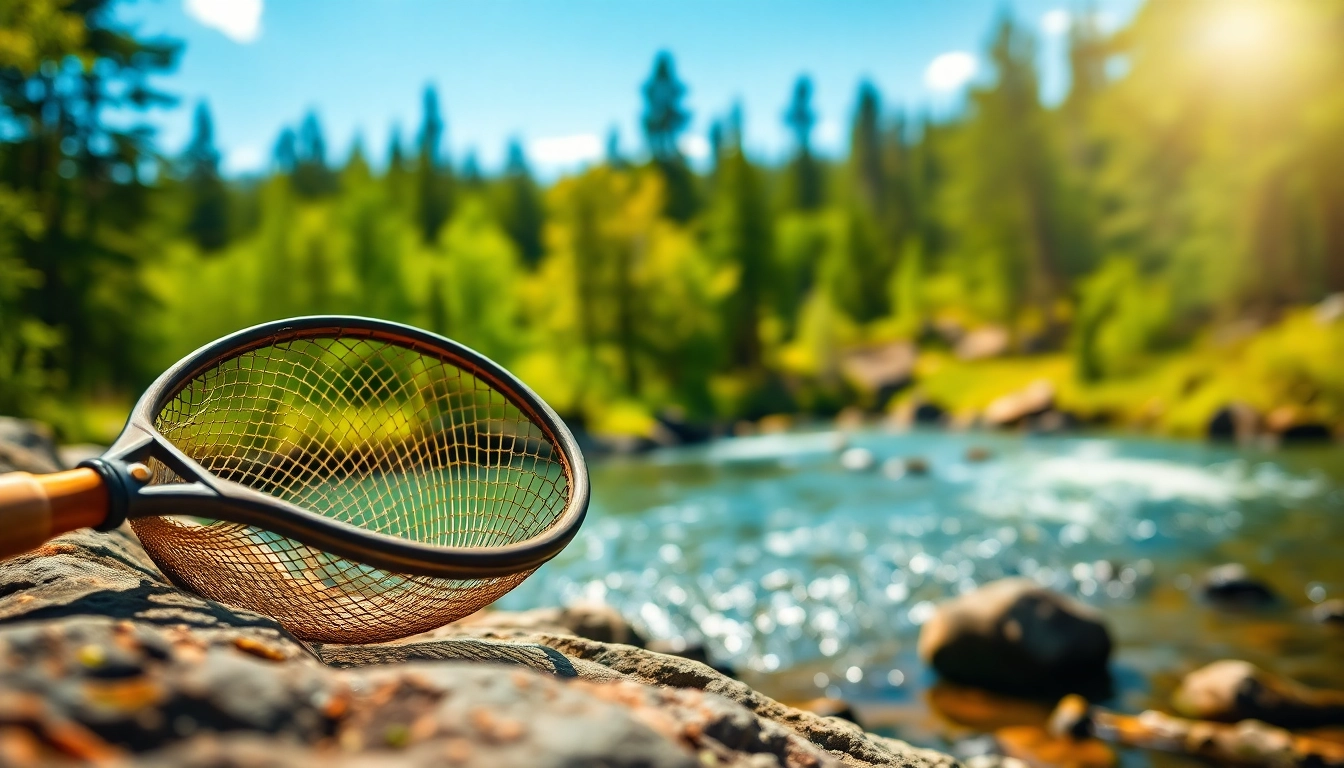
A fly fishing net is a specialized tool designed to assist anglers in landing fish while minimizing harm to the catch. Unlike traditional nets used in other fishing techniques, fly fishing nets typically feature a more delicate mesh, allowing for a gentle grip on the fish. Their designs focus not only on functionality but also on the aesthetics that appeal to avid anglers. A high-quality fly fishing net is an essential part of an angler's gear, providing a reliable and effective way to secure fish while ensuring they remain unharmed for catch and release practices.
Types of Fly Fishing Nets
When it comes to fly fishing nets, there are various types suited for different purposes and environments. Understanding these types can help anglers select the most suitable net for their fishing adventures:
- Cradle Nets: Ideal for trout and other smaller fish, these nets have a wide opening and a shallow depth, allowing anglers to safely scoop up and release fish with ease.
- Round Nets: Commonly used in freshwater fishing, these nets are versatile, with a circular frame allowing for easy maneuverability.
- Landing Nets: Specifically designed for larger species such as pike or salmon, these nets often feature deeper mesh and a sturdy frame to support the fish’s weight.
- Foldable Nets: Offering portability, foldable nets are convenient for anglers who hike to secluded fishing spots, allowing for easy transport and storage.
Key Features to Look For
Choosing the right fly fishing net involves assessing several key features:
- Mesh Type: Soft, knotless mesh is best for fish welfare, as it reduces the risk of injury and having fish become hooked in the net while being landed.
- Frame Material: Options include wood, aluminum, and composite materials, each with unique advantages in terms of weight, durability, and aesthetics.
- Handle Length: The handle should be appropriate for the fishing environment, with longer handles being advantageous for reaching into deep waters.
- Weight: Lightweight nets are easier to carry during long outings, but sturdiness should also be a priority to handle larger fish.
Choosing the Perfect Size for Your Needs
Small vs. Large Nets
When selecting between small and large nets, it largely depends on the species of fish targeted and the fishing environment. Small nets are easy to carry, making them suitable for anglers who primarily fish for smaller species or in areas with limited bank access. On the other hand, larger nets are necessary when fishing for bigger species or when fishing from a boat, where deeper and wider nets can effectively support larger catches.
Portability Considerations
Portability is a crucial factor in selecting a fly fishing net, especially for those who venture into remote areas. Many anglers prefer foldable or collapsible nets that can be stored easily in a backpack or tackle box. When considering portability, weigh the ease of handling the net against its functionality; a net that is too cumbersome may deter usage during a fishing trip.
Best Sizes for Different Fishing Environments
The ideal net size can vary significantly based on your fishing environment:
- Small Streams: A net with a hoop size of 15-20 inches is usually sufficient.
- Lakes: Nets ranging from 24-30 inches in diameter are often recommended to accommodate larger fish.
- Saltwater Fishing: Depending on the species, you may require nets over 30 inches wide for effective catch and release.
Materials Used in Fly Fishing Nets
Wood vs. Aluminum Frames
The choice between wood and aluminum frames for fly fishing nets comes down to personal preference and practical use. Wooden nets often provide a classic aesthetic and feel, with varied designs that may suit the angler's style. However, they can be heavier and less durable in harsh conditions. On the other hand, aluminum frames are lighter, more durable, and resistant to rust, making them suitable for both freshwater and saltwater applications.
Types of Mesh Material
The mesh material of a fly fishing net significantly impacts the fish's wellbeing and the net's overall performance. Nets made from nylon or rubber-coated materials help avoid hook snags, while softer mesh helps prevent fin tears and skin damage to the fish. Additionally, rubber mesh is easier to clean and dries faster, enhancing the maintenance of the net.
Durability and Maintenance Tips
To ensure longevity, proper maintenance of your fly fishing net is essential. Rinse your net after every fishing trip to remove salt, dirt, and microorganisms that could cause deterioration. Inspect the net for wear and tear, especially on the mesh and frame joints, and make necessary repairs to avoid compromising its integrity during use.
Techniques for Use and Handling
How to Properly Use a Fly Fishing Net
Mastering the proper use of a fly fishing net involves the following techniques:
- Approach Gently: When a fish is hooked, avoid sudden movements. Approach it carefully using the net, positioning it downstream to prevent the fish from swimming away.
- Land the Fish Quickly: Minimize the time out of water; a swift landing ensures less stress and injury for the fish.
- Use Two Hands: Always use both hands when landing a fish – one for the rod and the other for the net – to maintain control and stability.
Common Mistakes to Avoid
Many anglers make common mistakes when using a fly fishing net, including:
- Netting Too Early: Attempting to land the fish when it's still active can lead to missed catches. Wait for the fish to tire out before attempting to net it.
- Improper Netting Technique: Failing to use the net at the right angle or buoyancy can result in poor landings. Practice the netting motion to ensure effective use.
- Dragging the Net: Avoid dragging the net through the water as it can injure the fish. Use a scooping motion to lift the catch safely.
Best Practices for Catch and Release
Catch and release is a critical aspect of sustainable fishing, and using a fly fishing net correctly can enhance fish survival rates. To practice effective catch and release:
- Keep the Fish in Water: When unhooking, keep the fish submerged and avoid prolonged exposure to air.
- Handle with Wet Hands: Always wet your hands before touching the fish to protect its slime coating which prevents infections.
- Use Barbless Hooks: These hooks are easier to remove, reducing the handling time and stress on the fish.
Maintaining Your Fly Fishing Net
Cleaning and Care Instructions
Regular cleaning is essential for maintaining the condition of your fly fishing net. After each use, especially in saltwater environments, rinse the net thoroughly with freshwater. It is also advisable to occasionally soak the net in a solution of warm water and mild soap to eliminate any grime or bacteria. Ensure that the net dry thoroughly before storing to prevent mold growth.
Storage Solutions to Prevent Damage
Proper storage of your fly fishing net helps to prevent damage. Here are some tips for effective storage:
- Use a Protective Bag: Store the net in a padded bag to protect it from impacts and UV rays.
- Avoid Extreme Conditions: Store in a cool, dry place and away from direct sunlight to avoid frame warping or mesh deterioration.
- Keep Away from Sharp Objects: Ensure the net is stored away from items that could snag or puncture the mesh.
When to Replace Your Fly Fishing Net
Recognizing when to replace your fly fishing net is vital for maintaining effectiveness in the field. If you observe any signs of significant wear, such as holes in the mesh, cracks in the frame, or bent handles, it may be time for a replacement. Additionally, if the net shows visible signs of corrosion or discoloration from prolonged exposure, it might affect performance and fish safety.