
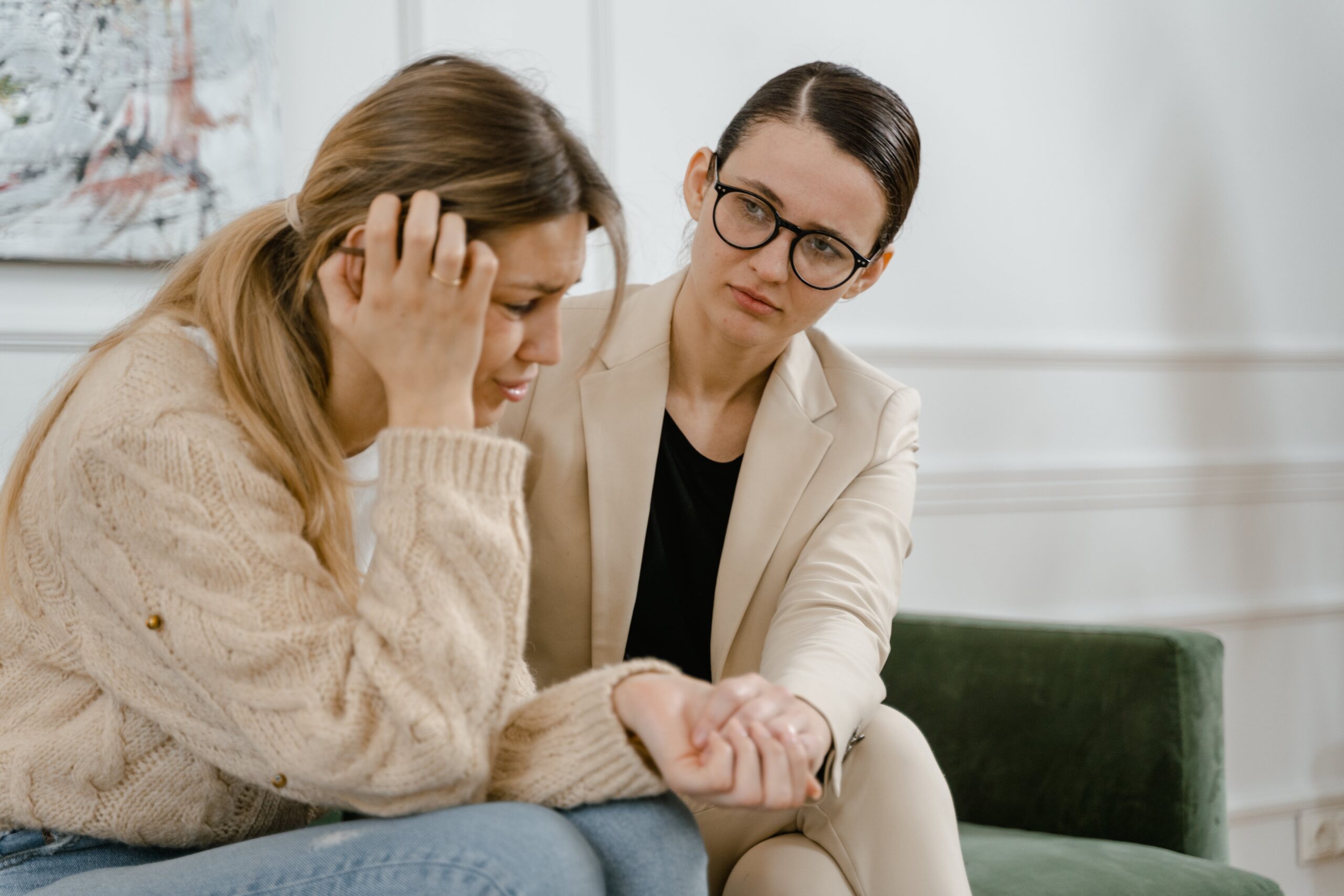
Understanding Stress and Anxiety Symptoms
Stress and anxiety are normal responses to life’s challenges, but when they become frequent or intense, they can affect overall wellbeing. Recognizing Stress and anxiety symptoms is essential for early intervention and effective management. By identifying both emotional and physical signs, individuals can take proactive steps to reduce their impact and improve daily functioning.
Emotional Symptoms of Stress and Anxiety
Persistent Worry and Overthinking
One of the most common emotional indicators is excessive worry. Individuals may find themselves ruminating over situations, imagining worst-case scenarios, or feeling an ongoing sense of unease. This constant mental activity can lead to fatigue and reduced concentration.
Irritability and Mood Swings
Stress and anxiety often manifest as irritability or frequent mood changes. Minor inconveniences may trigger disproportionate reactions, and emotional responses can feel unpredictable. Recognizing these patterns can help individuals develop coping strategies before emotions escalate.
Feelings of Overwhelm
A sense of being unable to cope with daily demands is a hallmark of stress and anxiety. People may feel burdened by responsibilities and perceive challenges as insurmountable. This can lead to avoidance behaviors and increased anxiety over time.
Physical Symptoms of Stress and Anxiety
Muscle Tension and Headaches
Stress and anxiety commonly result in physical discomfort, such as muscle tightness or tension headaches. The body reacts to prolonged worry with increased muscle contraction, particularly in the neck, shoulders, and back, contributing to chronic pain.
Gastrointestinal Issues
Digestive disturbances, including stomach aches, nausea, or irritable bowel symptoms, can occur under chronic stress. Anxiety triggers the release of stress hormones, which affect gut function and may lead to digestive discomfort.
Sleep Disturbances
Difficulty falling or staying asleep is a frequent symptom. Anxiety can interfere with the ability to relax at bedtime, resulting in restless nights, frequent waking, or early-morning fatigue. Poor sleep can exacerbate emotional and physical symptoms, creating a cycle of stress.
Rapid Heartbeat and Breathing Changes
Stress and anxiety often trigger physiological responses, such as an increased heart rate or shallow breathing. These reactions are part of the body’s natural fight-or-flight response but can become problematic when experienced frequently or without a clear trigger.
Cognitive Symptoms of Stress and Anxiety
Difficulty Concentrating
Stress and anxiety can impair cognitive function, making it hard to focus on tasks or remember details. This mental fog can affect work performance, learning, and decision-making processes.
Racing Thoughts
A hallmark of anxiety is an uncontrollable flow of thoughts, often focused on potential problems or negative outcomes. This mental overactivity can increase feelings of tension and make relaxation difficult.
Indecisiveness
Chronic stress can lead to hesitation or difficulty making decisions. Worry about making the “wrong” choice often amplifies anxiety, reinforcing a cycle of uncertainty and self-doubt.

Coping Tools for Stress and Anxiety
Mindfulness and Meditation
Mindfulness techniques help individuals stay present and reduce overthinking. Practices such as deep breathing, body scans, and guided meditation provide structured ways to calm the mind and regulate emotions. Even short, daily sessions can significantly reduce symptoms.
Physical Activity
Regular exercise is a powerful tool for stress and anxiety relief. Activities like walking, yoga, or swimming help release tension, boost mood through endorphin production, and improve overall physical health. Consistency is more important than intensity.
Relaxation Techniques
Progressive muscle relaxation, visualization, and controlled breathing exercises are effective methods to calm the nervous system. These techniques teach the body to respond to stress with relaxation rather than tension.
Structured Routines
Maintaining a predictable daily routine helps reduce uncertainty and anxiety. Setting aside time for work, self-care, social interaction, and hobbies creates balance and helps prevent feelings of being overwhelmed.
Cognitive-Behavioral Strategies
Cognitive-behavioral approaches focus on identifying negative thought patterns and replacing them with realistic, constructive thinking. Journaling, reframing thoughts, and problem-solving exercises empower individuals to manage stress and anxiety more effectively.
Social Support
Connecting with friends, family, or support groups provides emotional relief. Sharing experiences, seeking advice, and receiving encouragement strengthen resilience and reduce the burden of stress and anxiety.
Professional Guidance
Therapists and counselors offer personalized strategies to address specific symptoms. Evidence-based therapies, including cognitive-behavioral therapy (CBT) and mindfulness-based stress reduction (MBSR), are proven to reduce both stress and anxiety symptoms.
Prevention and Long-Term Strategies
Recognizing Early Signs
Early identification of emotional, cognitive, and physical symptoms allows for timely intervention. Keeping a journal of triggers and responses can help individuals understand patterns and take preventive measures.
Healthy Lifestyle Choices
Balanced nutrition, sufficient sleep, and regular exercise are fundamental for long-term stress and anxiety management. Limiting caffeine and alcohol consumption can also prevent symptom escalation.
Setting Boundaries
Learning to set personal boundaries reduces exposure to unnecessary stressors. Saying no when necessary and managing time effectively are essential strategies for maintaining emotional balance.
Practicing Self-Compassion
Self-compassion involves acknowledging one’s limits, celebrating successes, and avoiding harsh self-criticism. This mindset fosters resilience and reduces the intensity of stress and anxiety reactions.
Engaging in Hobbies and Relaxation
Allocating time for leisure activities provides mental breaks that mitigate stress. Creative pursuits, nature activities, and other enjoyable pastimes support emotional wellbeing and promote a calmer state of mind.
Conclusion
Understanding stress and anxiety symptoms is the first step toward effective management. Recognizing emotional, physical, and cognitive signs enables individuals to take timely action and apply practical coping tools. Mindfulness, physical activity, structured routines, cognitive-behavioral strategies, social support, and professional guidance all play essential roles in reducing the impact of stress and anxiety. By integrating these approaches into daily life, individuals can cultivate resilience, maintain emotional stability, and achieve a calmer, more balanced state of wellbeing. Head back to the main page for fresh updates and trending topics.
FAQs
What are the most common stress and anxiety symptoms?
Common symptoms include persistent worry, irritability, mood swings, muscle tension, headaches, digestive issues, sleep disturbances, difficulty concentrating, racing thoughts, and indecisiveness. Recognizing these early allows for effective management.
How can mindfulness help manage stress and anxiety?
Mindfulness techniques help individuals focus on the present, reduce overthinking, and calm the nervous system. Practices such as deep breathing, meditation, and guided visualization provide tools to manage symptoms effectively.
When should I seek professional help for stress and anxiety?
Professional help is recommended if symptoms persist, interfere with daily life, or cause significant distress. Therapists can provide evidence-based strategies such as cognitive-behavioral therapy (CBT) and mindfulness-based stress reduction (MBSR) tailored to individual needs.