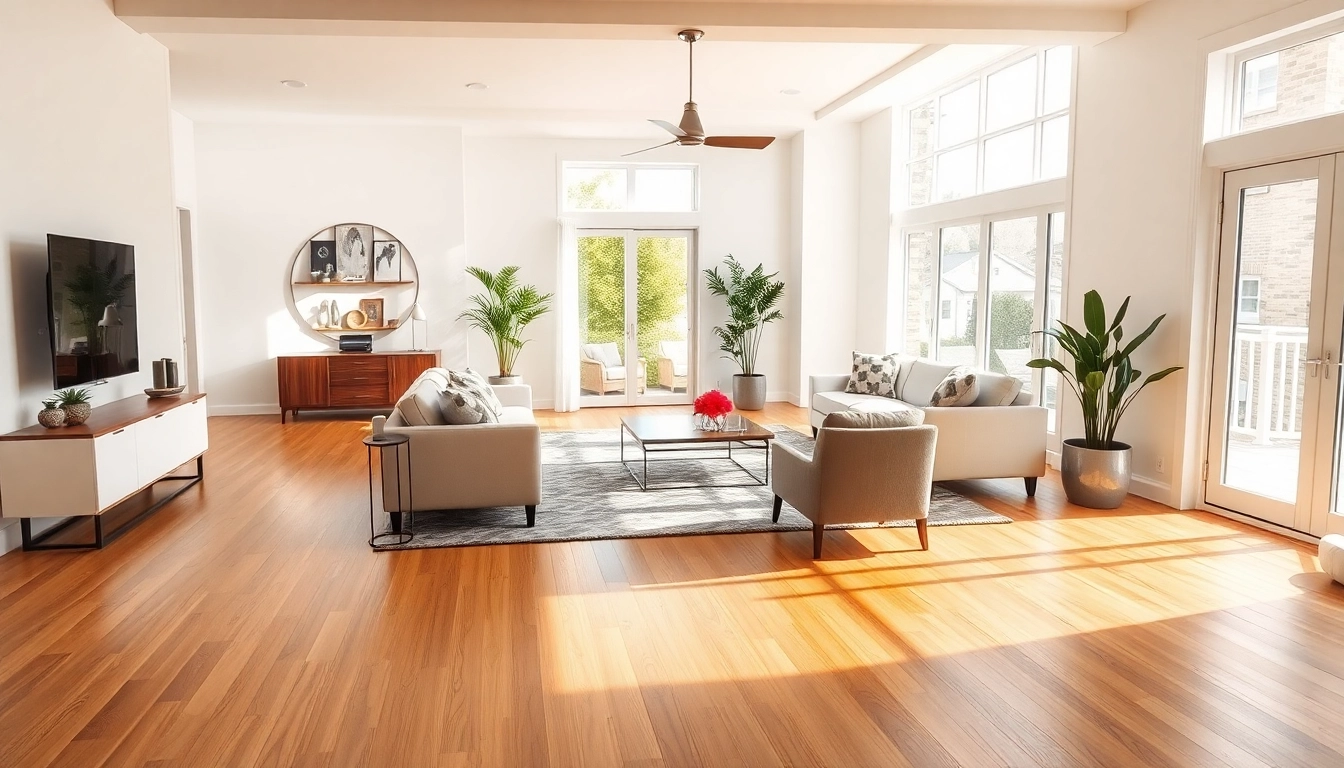
Understanding the Basics of Home Renovation
What is Home Renovation?
Home renovation involves improving, updating, or altering an existing structure to enhance its value, aesthetics, or functionality. This can range from simple cosmetic fixes, like painting and landscaping, to extensive structural modifications, such as adding new rooms or modernizing electrical systems. Following the principles of architecture and design, home renovation focuses not only on style but also on safety and sustainability. A well-planned renovation takes into account the specific needs of the occupants while preserving or enhancing the property’s overall appeal. Home renovation is, therefore, a multifaceted project requiring careful thought and execution.
Key Benefits of Home Renovation
Engaging in home renovation can offer numerous advantages:
- Increased Property Value: Proper renovations often lead to a substantial increase in the value of your home, making it a wise investment for the future.
- Enhanced Comfort and Functionality: By renovating, you can tailor your living space to better meet your lifestyle needs, whether it’s expanding a kitchen or creating a home office.
- Improved Energy Efficiency: Upgrading insulation, windows, and energy systems can significantly reduce energy consumption and utility bills, promoting sustainability.
- Modernization: Renovation can bring your home up to date with current design trends and technologies, making it more appealing to potential buyers.
- Personal Expression: Home renovation provides an opportunity for homeowners to express their unique style and preferences, transforming space into a personal sanctuary.
Common Home Renovation Misconceptions
Despite its benefits, there are several misconceptions surrounding home renovation:
- Renovation is Too Expensive: While costs can add up, many renovations can be achieved on a budget with strategic planning and material choices.
- All Renovations Require a Contractor: Not all renovations necessitate professional help; many small projects can be handled through DIY efforts.
- Every Renovation Will Yield a Return on Investment: While many renovations do increase home value, not every project will guarantee a return, especially if personalized designs are overly niche.
- Renovations are Always Stressful: With proper planning and management, home renovations can be smooth and enjoyable, turning into a fulfilling personal project.
Planning Your Home Renovation
Assessing Your Needs for Home Renovation
The first step in any home renovation project is to assess your needs. This involves examining your current living situation and identifying areas for improvement. Consider whether your family structure has changed, your lifestyle has evolved, or if certain features of your home are no longer functional or appealing. Taking stock of your space should consider:
- Space Allocation: Are rooms effectively serving their purpose? Would an open concept layout serve your needs better?
- Functionality: Are your kitchen and bathrooms outfitted for modern usage, or have they become outdated?
- Personal Comfort: Is your home conducive to relaxation and comfort? Consider natural lighting, noise levels, and overall ambiance.
- Style Preferences: Are you drawn to specific aesthetics that need to be reflected in your space?
Creating a Budget for Home Renovation
Budgeting for a home renovation is critical for ensuring that your project remains on track financially. Start by setting a comprehensive budget that includes all potential costs, such as materials, labor, permits, and unexpected expenses. Following these guidelines can help you manage your renovation budget:
- Define Scope: Clearly outline the scope of your renovation—know what you want to achieve.
- Research Costs: Gather estimates from suppliers and contractors to get a sense of how much your desired materials and services will cost.
- Seek Value: Look for quality materials that fit your budget; consider alternatives that provide durability at a lower price.
- Leave Room for Contingencies: Set aside at least 10-20% of your budget for unexpected costs.
Developing a Timeline for Home Renovation
Establishing a timeline is crucial to maintaining momentum in your renovation. Consider the following steps when developing your renovation timeline:
- Research: Research the process for your particular renovation; some may require permits that can take time to obtain.
- Prioritize Tasks: List out all steps from planning to completion and prioritize them based on dependencies.
- Allocate Time: Estimate how long each task will take, building in allowances for chance delays to ensure readiness.
- Regular Check-ins: Plan for regular status updates to monitor progress and adjust timelines accordingly.
Choosing the Right Materials for Home Renovation
Sustainable Options for Home Renovation
As sustainability becomes increasingly significant, many homeowners are prioritizing eco-friendly materials in their renovations. Sustainable options not only help reduce environmental impact but can also contribute to energy efficiency and lower utility costs. When selecting materials, consider the following:
- Recycled Materials: Use materials that have been repurposed, such as reclaimed wood for flooring or recycled glass tiles.
- Low VOC Products: Choose paints and finishes that emit low levels of volatile organic compounds, creating healthier indoor air quality.
- Energy-Efficient Windows: Opt for double- or triple-glazed windows that improve insulation and reduce energy demand.
- Local Sourcing: Purchase locally-sourced materials to minimize transportation costs and support local economies.
Comparing Costs of Various Materials in Home Renovation
Understanding the costs associated with different materials is crucial for effective budgeting in renovations. Materials can vary greatly in price depending on quality, availability, and sustainability. Here are key comparisons to consider:
- Flooring Options: Hardwood, laminate, vinyl, and tile each come with varying price tags. Investigate the long-term costs and benefits of each option, including maintenance and lifespan.
- Countertops: Stone countertops, such as granite or quartz, are generally higher priced compared to laminate but add durability and attractiveness.
- Paint: Evaluate different types of paints (interior vs exterior) and finishes (matte vs gloss) to find a suitable balance between cost and quality.
Safety Considerations During Home Renovation
Renovation projects can pose various safety risks. To safeguard both workers and residents during the process, adhere to these safety strategies:
- Personal Protective Equipment (PPE): Ensure that anyone involved in the demolition or construction wears appropriate PPE, such as gloves, goggles, and masks.
- Hazard Awareness: Identify any hazards present in your space, including mold, lead, or asbestos, and take appropriate action.
- Clear Communication: If you are hiring professionals, ensure that they communicate safety protocols and practices continuously throughout the project.
- Emergency Preparations: Have a clear emergency plan in place, including exit routes and first-aid preparedness.
Finding Professionals for Your Home Renovation
When to Hire a Contractor for Home Renovation
Deciding when to bring a contractor into your renovation project is pivotal. Hiring a professional is warranted in several situations:
- Complexity of the Project: If the renovation requires structural changes or extensive electrical or plumbing work, hiring a contractor is essential.
- Lack of Experience: If you feel unsure or lack the experience needed to manage the project effectively, it’s advisable to consult a professional.
- Time Constraints: If you have a limited timeframe for completion, a contractor can help ensure the work is executed efficiently.
- Quality Assurance: Professionals bring expertise, ensuring that the work meets local codes and standards.
Questions to Ask Before Engaging in Home Renovation Projects
Before embarking on any renovation project, it’s critical to ask insightful questions that can guide your decision-making:
- What is your experience with this type of renovation? Seek contractors who specialize in your intended renovations.
- Can you provide references from past clients? Speak to previous clients to gauge satisfaction levels and work quality.
- What is the estimated timeline and cost? Receive detailed estimates for budget alignment and logistical planning.
- How do you handle unexpected challenges? Understanding their approach to problem-solving can be indicative of their expertise.
Evaluating Contractor Credentials for Home Renovation
When selecting a contractor, verifying their credentials is paramount. Here are key aspects to review:
- Licensing: Ensure that your contractor holds the appropriate licenses required for your location and type of work.
- Insurance: Check for liability insurance and worker’s compensation coverage to protect against potential accidents.
- Certifications: Look for additional certifications that indicate ongoing education in the field, such as memberships in industry organizations.
- Portfolio: Review previous projects to ensure that their style aligns with your renovation vision.
Post-Renovation Steps and Maintenance
Inspections and Final Touches After Home Renovation
Following the completion of your renovation, conducting thorough inspections is critical. This phase ensures that everything has been executed to your standards:
- Walk-throughs: Conduct a walk-through with your contractor to examine the work closely.
- Reporting Issues: Document and report any concerns or discrepancies to be addressed immediately.
- Final Payments: Ensure all work is satisfactorily completed before making final payments.
Maintaining Your Renovated Space
After renovation, regular maintenance is essential for preserving your space. Consider implementing the following strategies:
- Regular Cleaning: Create a cleaning schedule that keeps your renovated areas well-maintained and inviting.
- Routine Inspections: Conduct periodic inspections to catch any potential issues early, whether it’s plumbing leaks or aesthetic wear.
- Professional Maintenance: Consider engaging professionals for more complex tasks like electrical inspections or HVAC upkeep.
Tracking the Value Added by Home Renovation
Finally, keeping track of the value added by your home renovation is beneficial for future investments or sales. Maintaining records of expenses, improvements, and their effects on your property’s value can assist in:
- Understanding Market Value: Gain insights into how renovations enhance property value, useful for potential sales.
- Home Insurance: Informing your insurance agent of upgrades may change your policy requirements or coverage.
- Future Renovation Planning: Tracking what renovations yielded value can guide decision-making for subsequent projects.