
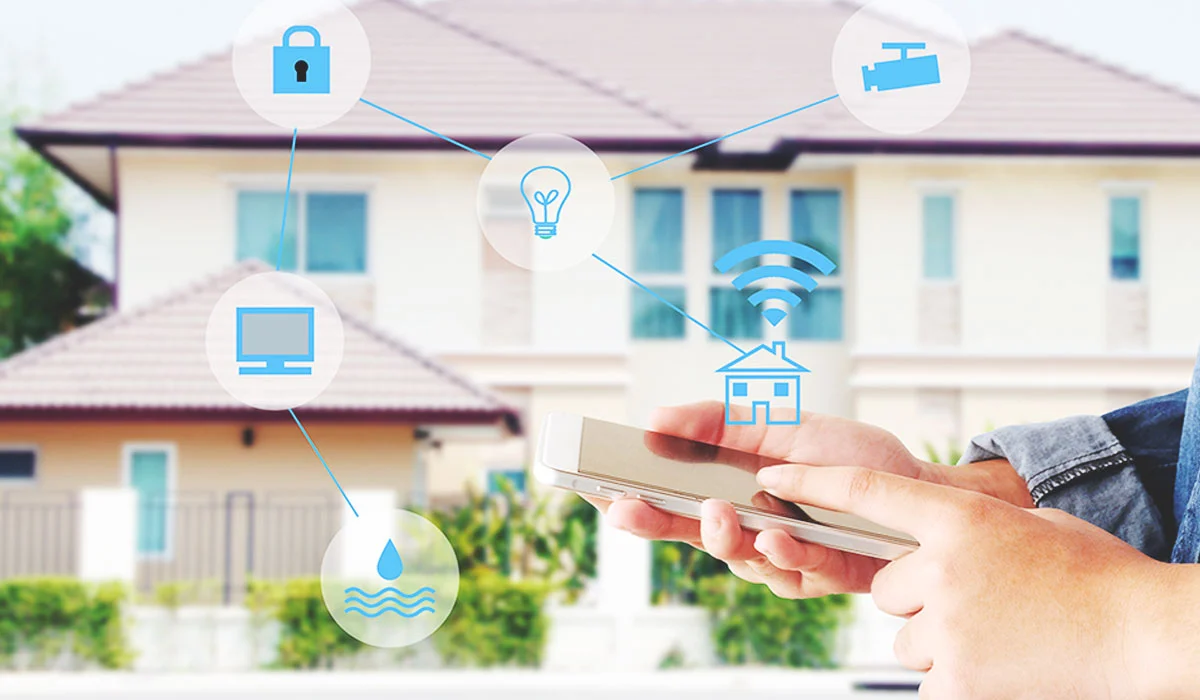
Home safety is a top priority for families everywhere, and investing in reliable Security Systems is one of the smartest ways to protect your home, belongings, and loved ones. From smart alarms to professional monitoring, modern security systems offer a wide range of options for different needs and budgets. In this article, we compare the most popular types of security systems to help you make informed choices.
Types of Security Systems
Wired Security Systems
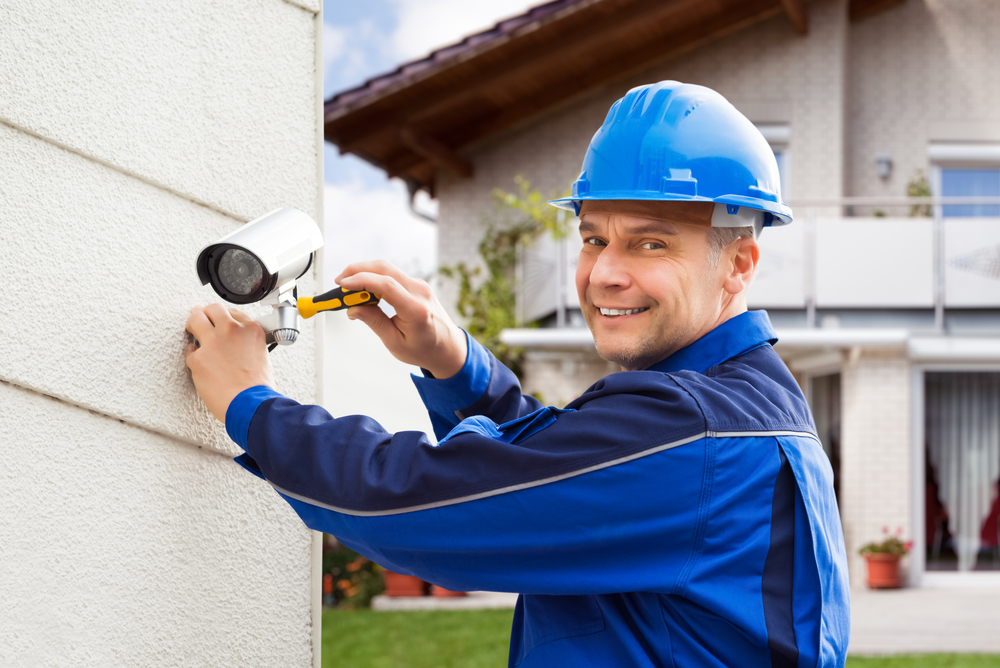
Installation and SetupWired security systems are connected through physical cables to sensors and alarms. They often require professional installation, which can increase initial costs but ensures a stable and reliable connection.
Advantages and LimitationsThe main advantage of wired security-systems is consistent performance. Unlike wireless systems, they are not affected by Wi-Fi interference. However, they can be harder to move or upgrade due to the extensive wiring involved.
Wireless Security-Systems
Setup and ConnectivityWireless security systems use Wi-Fi or cellular networks to connect cameras, sensors, and control panels. Homeowners can often install them themselves without professional help.
Advantages and LimitationsThese systems offer flexibility and easy upgrades. You can add extra sensors or cameras as needed. On the downside, wireless security-systems may face connectivity issues if your Wi-Fi is unstable or during network outages.
Smart Security Systems
Integration with Smart Home Devices
Smart security-systems connect with devices like smart locks, lights, and thermostats. This allows homeowners to control everything from a single app, providing convenience and enhanced safety.
Automation and Alerts
Smart systems can send real-time alerts to your phone when suspicious activity is detected. Some advanced systems even use AI to differentiate between pets and potential intruders, reducing false alarms. Real-life users report feeling more secure knowing they can monitor their homes remotely.
Professional Monitoring vs. Self-Monitoring
Professional Monitoring
Professional monitoring involves a 24/7 monitoring service that alerts authorities if your security system detects an emergency. This is ideal for homeowners who want extra peace of mind and immediate responses.
Self-Monitoring
Self-monitored security-systems allow homeowners to receive alerts and respond themselves without relying on a central monitoring service. While this can save money, it requires diligence to ensure timely action during emergencies.
Cost and Value Considerations
Upfront Costs
The price of security-systems varies widely. Wired systems and professionally installed solutions can cost more initially, while wireless and DIY systems are often more affordable.
Long-Term Value
When evaluating value, consider subscription fees, maintenance costs, and system longevity. Sometimes paying more upfront for a reliable system saves money and stress in the long run.
Real-Life Examples of Effective Security Systems
Case Study: Suburban Home Protection
A family in Denver installed a smart security system with cameras, motion sensors, and professional monitoring. Within weeks, the system alerted them to a break-in attempt, allowing authorities to intervene quickly. The family reported feeling safer and more confident in their home security.
Neighborhood Safety Initiative
In another example, residents in a small community pooled resources to install wireless security-systems with shared monitoring. The program reduced local crime rates and fostered a sense of collective safety, demonstrating how security systems can be effective even on a budget.
Choosing the Right Security System
Assessing Your Needs
Consider your home size, budget, and lifestyle when choosing a security system. Families with young children may prioritize quick alerts, while empty-nesters might value smart automation and remote monitoring.
Comparing Features
Look for features like night vision, mobile access, motion detection, and professional monitoring options. Comparing multiple systems ensures you get the best balance of safety, convenience, and cost.
Installation and Maintenance
Determine whether you prefer professional installation or a DIY setup. Regular maintenance and software updates are essential to keep security-systems operating efficiently and securely.
FAQs
What is the difference between wired and wireless security systems?
Wired security-systems use physical cables to connect sensors and alarms, providing stable performance but less flexibility. Wireless security systems use Wi-Fi or cellular networks, offering easy installation and upgrades but can face connectivity issues.
Are smart security systems worth the investment?
Yes, smart security systems provide remote access, automation, and AI-powered alerts. They enhance convenience and security, allowing homeowners to monitor their property from anywhere.
How do professional monitoring services work?
Professional monitoring involves a dedicated service that monitors your security system 24/7. If an alert is triggered, the monitoring center contacts you and can dispatch authorities immediately, ensuring prompt response during emergencies.
Conclusion
Choosing the right security systems is essential for protecting your home and loved ones. By comparing wired, wireless, and smart systems, along with professional and self-monitoring options, homeowners can find solutions that balance safety, convenience, and value. Real-life examples show that investing in a reliable security system not only prevents losses but also provides peace of mind. Whether upgrading an existing setup or installing a new system, understanding your options ensures the best protection for your home and family. Navigate easily through our content by starting from the main page.