
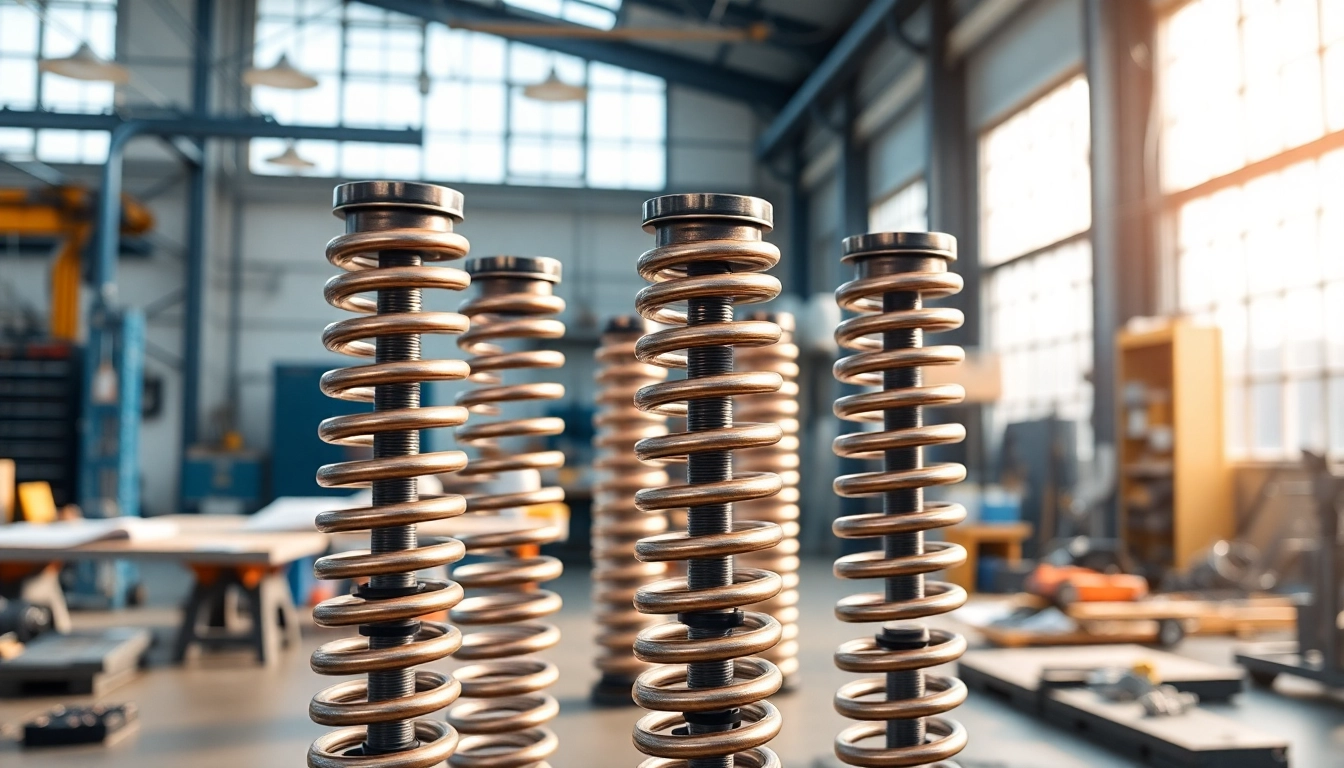
Understanding Gas Springs
What Are Gas Springs?
Gas springs, also known as gas struts or gas lifts, are mechanical devices that use compressed gas to exert force or lift loads. They consist of a cylinder filled with gas, typically nitrogen, and a piston that moves within the cylinder. The simplicity of their design belies their effectiveness, making them a critical component in various applications, ranging from automotive to furniture. Essential for providing controlled movement, gas springs allow for smooth lifting, lowering, and holding of objects.
How Do Gas Springs Work?
The operational principle of gas springs is grounded in basic physics—the relationship between pressure and volume in gases. When the piston in a gas spring is depressed, the gas is compressed, creating resistance against the downward force. This enables the spring to provide adequate lifting force for a variety of applications. The force produced can be fine-tuned by adjusting the amount of gas within the cylinder, allowing for a customized solution tailored to specific requirements. Properly calibrated, gas springs can support static loads while providing dynamic motion, thus enhancing functionality.
Applications of Gas Springs
Gas springs are versatile devices that find extensive application across diverse industries. Their use can be found in:
- Automotive: Gas springs are utilized in tailgates, hoods, and other access points, allowing for easy opening and closing without manual effort.
- Furniture: In the furniture industry, gas springs enable smooth lifting mechanisms in recliners, office chairs, and adjustable tables.
- Aerospace: In aerospace, these devices provide critical support for cabin doors and storage compartments, ensuring user safety and convenience.
Choosing the Right Gas Spring Supplier
Key Factors to Consider
When selecting a Gas Spring Supplier, several key factors must be considered to ensure quality and reliability. First and foremost, assess the supplier’s reputation in the industry. Look for reviews, testimonials, and case studies that demonstrate their ability to meet customer needs. Additionally, consider their product range; a supplier offering a diverse selection of gas springs can better cater to unique applications and specifications. Finally, examine their pricing model. It shouldn’t be the sole deciding factor, but cost-effectiveness is important when budgeting for a project.
Assessing Quality Standards
Quality assurance is paramount when purchasing gas springs. Ensure that your chosen supplier adheres to international quality standards, such as ISO certifications. These guidelines ensure that products are manufactured consistently with high-grade materials and comply with safety regulations. Request detailed information on the quality control measures the supplier employs during their manufacturing process. A commitment to quality not only reflects a supplier’s ethos but also directly impacts the longevity and performance of the gas springs.
Evaluating Customer Service and Support
The level of customer service and support can significantly influence your purchasing experience. Suppliers that offer comprehensive support—whether through consultations, warranty guarantees, or after-sales service—can enhance your overall satisfaction. Consider suppliers that provide training materials or resources that help you understand their products better. A supplier with a team ready to assist with inquiries or customization requests can be invaluable, making your project more efficient and streamlined.
The Manufacturing Process of Gas Springs
Materials Used in Gas Springs
The longevity and reliability of gas springs largely depend on the materials used during manufacturing. Typically, high-strength steel is employed for the cylinder and piston to withstand high internal pressures. The seals used are often made from durable elastomers such as rubber or polyurethane, providing essential resistance against wear and corrosion. Additionally, the choice of gas, usually nitrogen, plays a crucial role in the performance and consistency of the spring during operation.
Quality Control Measures
Quality control begins at the raw materials stage and continues throughout the manufacturing process. Robust suppliers perform thorough inspections of the materials upon arrival, ensuring that only top-quality components enter the production line. During assembly, manufacturers conduct various tests, such as operational pressure tests and endurance testing, to confirm that each gas spring meets specified performance standards. Final checks ensure that all springs are free from defects before they are packaged and shipped.
Innovations in Gas Spring Manufacturing
As technology advances, the manufacturing process of gas springs undergoes continual innovation. Modern techniques, such as the inclusion of smart sensors, allow gas springs to monitor load conditions and adjust their force output automatically. Additionally, advancements in material science lead to lighter, yet more durable components, improving overall performance. These innovative practices not only enhance the functionality of gas springs but also pave the way for sustainable manufacturing processes.
Common Applications in Industry
Automotive Sector Applications
In the automotive sector, gas springs serve as a fundamental component in enhancing vehicle functionality and safety. They are utilized in systems such as trunk lids, tailgates, and hoods, where they provide ease of access while preventing sudden closures that could result in injury or damage. By employing gas springs, automotive engineers can design vehicles with user comfort in mind, improving both aesthetic appeal and practical use.
Furniture and Home Applications
The role of gas springs in the furniture industry is vital for enhancing utility and user comfort. Adjustable office chairs often rely on gas springs to allow users to modify their seating height effortlessly. In residential furniture, gas springs in beds and sofas facilitate convenient storage solutions, allowing for easy access without cumbersome lifting. These applications showcase how gas springs integrate seamlessly into everyday life, offering practicality to users.
Applications in Aerospace
The aerospace industry requires components that can perform reliably under extreme conditions. Gas springs play an essential role in various applications ranging from cabin doors to equipment hatches, where precision and safety are critical. Their ability to withstand fluctuations in pressure and temperature makes them ideal for aircraft. Additionally, employing gas springs can improve operational efficiency, allowing for smoother loading and unloading of cargo.
Frequently Asked Questions
What are the benefits of using gas springs?
Gas springs provide controlled lifting and lowering motions, enhancing safety and efficiency in various applications. Their ability to deliver consistent force contributes to smoother operations and improved user experience.
How do I choose the right gas spring for my project?
Consider factors like weight, stroke length, and application environment when selecting a gas spring. Thoroughly assess your specific needs to find the best match for optimal performance.
Can gas springs be customized?
Yes, many gas spring suppliers offer customization options based on client specifications and requirements, allowing for tailored solutions to best fit your application.
What maintenance do gas springs require?
Gas springs typically need minimal maintenance. However, it’s advisable to perform periodic inspections for signs of corrosion and leaks to ensure reliable functionality.
How long do gas springs last?
With proper use and maintenance, gas springs typically last between 20,000 to 50,000 cycles, depending on the application and the load they are subjected to.