Understanding Used Engines
What are Used Engines?
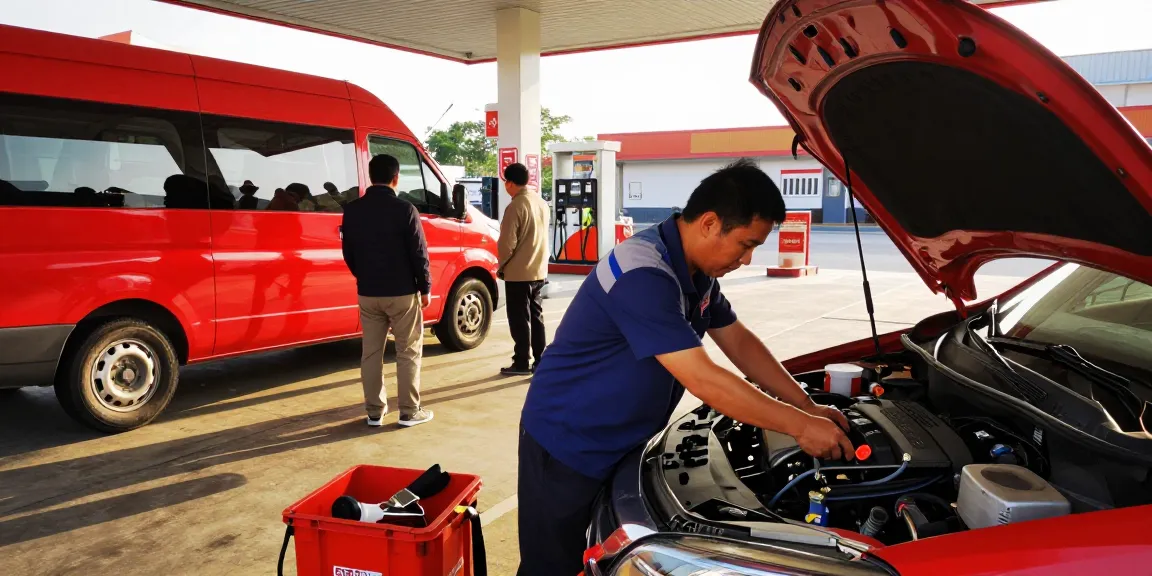
Used engines are pre-owned power units that have been removed from vehicles for various reasons, including wear and tear, accidents, or upgrades. Unlike new engines that are manufactured from scratch, used engines come from older cars or trucks and offer a more economical option for replacing a failed engine. These engines can vary significantly in condition, mileage, and history, making it essential for buyers to understand their needs and options.
Key Benefits of Purchasing Used Engines
One of the primary advantages of buying used engines is cost savings. New engines can range from $3,000 to $14,000 or more, depending on the manufacturer and vehicle type. In contrast, used engines typically cost between $600 to $6,000, allowing vehicle owners to make repairs without breaking the bank.
Additionally, used engines are readily available, often found through salvage yards, online platforms, and automotive marketplaces. This accessibility means that many common vehicle makes and models have replacement engines available, making it easier to keep your car running without the long wait times associated with ordering new parts.
Moreover, by opting for a used engine, you contribute to environmental sustainability. Reusing engines helps reduce waste, and it can lessen the need for new resources to create fresh engines.
Common Myths About Used Engines
Despite the advantages, there are persistent myths surrounding used engines that can discourage potential buyers. One common myth is that used engines are always in poor condition. While many used engines do have higher mileage, it doesn't necessarily mean they are unreliable. Quality assurance, such as thorough inspections and evaluations from reputable suppliers, can mitigate these concerns.
Another myth is that warranties are not available for used engines. In reality, many suppliers offer warranties on used engines, which can give buyers enhanced peace of mind. Warranties on used engines can vary significantly, so it’s crucial for buyers to inquire about warranty specifics when making a purchase.
Finding Reliable Suppliers
Where to Look for Used Engines
Finding a reliable supplier for used engines is crucial for making a sound purchase decision. Popular sources include local salvage yards, online marketplaces, and auto parts retailers. Engaging with local salvage yards can also provide opportunities to inspect the engine in person. Online platforms have increasingly gained popularity for their vast selections and the ability to compare prices and quality from multiple suppliers at once.
Additionally, specialized websites focused solely on used engines can be an excellent option for dedicated buyers seeking specific makes and models.
How to Evaluate a Supplier’s Credibility
Before making a purchase, it's important to evaluate a supplier’s credibility. Start by checking for certifications or affiliations with recognized automotive organizations. This can provide confidence that the supplier adheres to industry standards.
Next, examine customer reviews and ratings. A reputable supplier should have positive feedback from previous clients, which can be found on independent review sites or social media platforms. Contacting past customers for direct testimonials can offer invaluable insights into their experiences.
Importance of Customer Reviews
Customer reviews can be a powerful tool in gauging supplier reliability. Before making a purchase, take the time to read through feedback regarding both the engine quality and the level of customer service provided. A supplier's responsiveness to complaints and their willingness to assist customers post-purchase are strong indicators of their reliability.
Look for reviews that detail specific experiences, as these will provide a clearer picture of what to expect from the transaction.
Pricing and Cost Factors
Factors Influencing Used Engines Pricing
Several factors can influence the pricing of used engines, including engine make and model, mileage, condition, and warranty coverage. Engines from popular or high-performance vehicles are often priced higher due to demand and limited availability.
The engine's history, such as whether it has undergone any modifications or repairs, also plays a role in its value. Be prepared to ask suppliers about the engine's maintenance history and whether it was previously involved in any significant incidents.
Cost Comparisons: New vs. Used Engines
When comparing the cost of new and used engines, it's essential to consider not just the sticker price but also the long-term value. New engines often come with warranties that guarantee performance, but they require a significant upfront investment.
Used engines, while typically more affordable, may incur extra costs down the line if they lack warranties or require additional repairs. Conducting a proper cost analysis comparing the purchase price, installation costs, and future maintenance can help clarify which option is the most financially sound over time.
Hidden Costs to Anticipate
Purchasing used engines may come with unexpected costs that buyers should be aware of. Installation fees are significant, often ranging from $1,200 to $2,200, depending on the labor rates in your area and the engine's complexity. Additionally, buyers may need to invest in new engine mounts, fluids, or electrical components, which can add to the overall expense.
Another potential hidden cost is the possibility of purchasing an engine that needs significant repairs, which might go unnoticed during the buying process. To minimize this risk, always seek thorough inspections and consider purchasing warranties when available.
Buying Process for Used Engines
Step-by-Step Guide to Buying Used Engines
Successfully buying used engines requires careful planning. Here’s a concise step-by-step guide:
- Determine Your Needs: Identify the specific make and model of the engine required.
- Set a Budget: Establish a budget that covers not only the engine but also installation and potential hidden costs.
- Research Suppliers: Look for reputable suppliers, checking customer reviews and ratings.
- Inspect the Engine: Whenever possible, examine the engine personally or request detailed images and reports.
- Inquire About Warranties: Always ask about warranties and guarantees to protect your investment.
- Finalize the Purchase: Once convinced, complete the purchase while ensuring all paperwork is correct.
Documentation and Legal Considerations
When buying used engines, always ensure that proper documentation is available. This includes a bill of sale and any warranties. Documentation is critical not just for your records but for potential future disputes or returns.
Additionally, understand the legal considerations involved. Some states may have specific regulations regarding engine imports or sales, making it crucial to familiarize yourself with local regulations before completing a purchase.
Negotiating Prices and Warranties
Price negotiations are common in the realm of used engines. Start by researching the market value for the engine you’re interested in to establish a fair starting point. Engaging in a respectful negotiation can lead to significant savings, particularly regarding installation fees or the inclusion of warranties.
Don't hesitate to express your willingness to walk away if the terms do not meet your expectations; this can often lead sellers to reconsider their pricing structures.
Maintenance and Aftercare
Essential Tips for Maintaining Used Engines
Maintaining a used engine is crucial for prolonging its life and ensuring peak performance. Regular oil changes, using the appropriate fuel, and addressing minor issues before they become significant problems are essential practices. Keeping an engine clean and free of debris will also promote efficient operation and longevity.
Common Issues and How to Address Them
Like any used component, used engines are subject to various issues, such as oil leaks, poor fuel efficiency, and odd noises. Performing scheduled maintenance checks and addressing concerns swiftly can help prevent costly repairs in the future. If a problem arises, consulting a qualified mechanic for an accurate diagnosis is advisable.
Extending the Lifespan of Used Engines
To extend the lifespan of your used engine, follow best practices for care and maintenance. This includes consistent monitoring of engine performance, promptly addressing any signs of wear or unusual behavior, and sticking to a routine of preventive maintenance. Additionally, investing in quality parts when required can also lead to improved durability.
Frequently Asked Questions
How much should a used engine cost?
The cost of used engines typically ranges from $600 to $6,000. Prices vary based on factors like engine type, make, and condition.
Is it cheaper to rebuild or buy a used engine?
Purchasing a used engine is often cheaper, though it involves risks regarding reliability. Weigh both options carefully based on your situation.
How do you buy a used engine?
Used engines can be purchased from salvage yards, online marketplaces, or through local auto parts stores. Always ensure reliability when buying.
What should I check before buying a used engine?
Check for warranties, return policies, and inspect for any visible damages. Ensure you understand the engine's history and condition before proceeding.
Are used engines reliable?
Used engines can be reliable if sourced from reputable suppliers and properly maintained. Always conduct thorough evaluations to ensure quality.