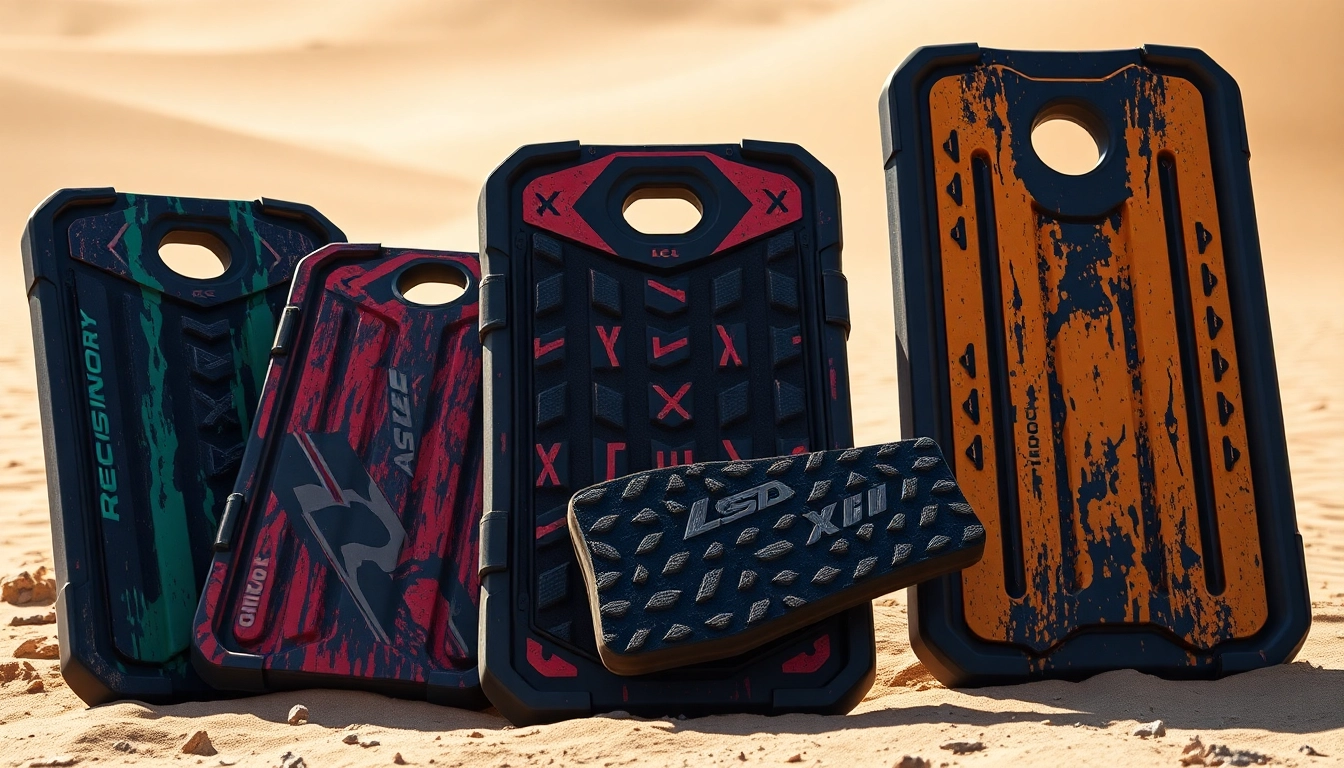
Understanding Recovery Boards
In the field of off-roading and outdoor adventures, Recovery Boards have become indispensable tools for drivers navigating challenging terrains. Designed to aid in vehicle recovery, these boards provide traction to vehicles stuck in mud, snow, or sand. They serve not only as practical safety tools but also enhance confidence when tackling off-road trails.
What are Recovery Boards?
Recovery boards are robust, flat surfaces designed to assist vehicles that have become immobilized in soft ground conditions. Typically made from high-strength composite materials or durable plastics, these boards can support the weight of vehicles ranging from SUVs to trucks. Their design often includes textured surfaces or ridges that grip tires, ensuring a firm hold when placed beneath tires that are stuck. Recovery boards are lightweight, portable, and can easily fit into an off-road vehicle's storage.
How Recovery Boards Work
When a vehicle finds itself bogged down, recovery boards can be placed in front of or behind the tires, providing a solid surface for the wheels to grip. The functionality of these boards lies in their ability to create a traction surface. Once positioned, drivers can gently accelerate, using the friction provided by the recovery boards to gain enough momentum to escape difficult situations. The texture on the boards ensures that they do not slip away as the vehicle tries to regain traction.
Key Benefits of Using Recovery Boards
- Enhanced Traction: Recovery boards significantly improve the traction of tires on loose surfaces, lessening the chance of slippage.
- Lightweight and Portable: Most recovery boards are designed to be lightweight, making them easy to carry and store in your vehicle.
- Versatility: They can be utilized in various conditions, including mud, snow, and sand, making them suitable for diverse off-road scenarios.
- Easy to Use: Recovery boards require little to no technical expertise; anyone can set them up and use them effectively.
- Durability: Made from tough materials, recovery boards can withstand tremendous pressure and harsh outdoor elements.
Choosing the Right Recovery Boards
Selecting the best recovery boards is crucial for ensuring efficient recovery operations. With several factors to consider, having a well-informed approach will help users find a solution that meets their specific needs.
Factors to Consider
When choosing recovery boards, begin by considering the following factors:
- Vehicle Type: Different vehicles have varying weight requirements. Ensure the selected boards can support the weight of your vehicle.
- Terrain Types: Analyze the typical terrains you navigate. Some boards perform better in certain conditions than others.
- Ease of Use: Select boards that are intuitive to handle, especially if you are a novice.
Material Options and Durability
Recovery boards are typically made from plastic or composite materials. Polypropylene is a common choice due to its flexibility and strength. Boards constructed from reinforced materials can offer enhanced durability, resisting damage from sharp rocks or heavy use. Evaluate the feedback regarding the longevity of materials, as well as any warranty provided by the manufacturer.
Size and Compatibility
Recovery boards come in various lengths and widths. Choosing the right size ensures compatibility with your vehicle and provides adequate surface area for traction. Larger boards may be more suitable for larger vehicles but can be cumbersome to transport. Always ensure the boards can fit in your vehicle's storage space without hindering your other gear.
Using Recovery Boards Effectively
Maximizing the effectiveness of recovery boards requires proper technique and preparation. Understanding the right setup and recovery process can save time and ensure safety.
Preparation and Setup
Before deploying recovery boards, it's important to assess the situation. Check the ground conditions and ensure you have a safe area to position your boards. Make sure that your vehicle is in park, and the area around you is clear of obstacles. Lay out the recovery boards in the desired position, either in front of or behind the tire, depending on the required recovery action.
Step-by-Step Recovery Techniques
- Assess the terrain and determine the best location for the boards.
- Place the recovery boards underneath the tires ensuring they are secure and not prone to slipping.
- Get back into the vehicle and engage the appropriate gear (typically low-range for off-road).
- Slowly accelerate, allowing the tire to grip the boards, gaining traction until the vehicle is free.
- Once the vehicle is free, retrieve your recovery boards and inspect for damage.
Post-Recovery Maintenance
After using recovery boards, always check them for any signs of wear or damage. Cleaning them of mud or sand ensures that they remain effective for future uses. Store them in a cool, dry place to prevent warping or degradation of the material. Regularly inspecting your recovery boards will help you identify issues early and ensure they remain reliable when needed.
Common Mistakes with Recovery Boards
Using recovery boards may seem straightforward, but many users make common mistakes that can hinder their effectiveness or lead to unsafe situations. Understanding these errors can promote better usage practices.
Not Assessing the Ground Conditions
Failing to evaluate the ground conditions can lead to improper use of recovery boards. Always inspect the surface before placement; loose sand or extremely wet mud may require adjustments in recovery strategy.
Improper Placement Techniques
Misplacing recovery boards is a frequent error. Boards should be positioned fully under the tire and oriented for the best grip. Ensure they are not angled incorrectly or exposed to a risk of slipping out.
Neglecting Safety Precautions
Safety should always be a priority. Ensure that all passengers are secure inside the vehicle during the recovery process. Avoid sudden accelerations or sharp movements, which can lead to accidents.
FAQs about Recovery Boards
What are the types of Recovery Boards available?
Recovery boards come in various types, including rigid boards, flexible boards, and hybrid designs, each catering to specific recovery needs and conditions.
Can Recovery Boards be used in mud?
Yes, recovery boards are designed for various terrains, including mud. Their textured surfaces provide necessary traction in soft ground conditions.
How do I store my Recovery Boards?
Store your recovery boards in a dry, shaded area to prevent damage. Avoid exposure to extreme temperatures or direct sunlight for prolonged periods.
Are Recovery Boards suitable for all vehicle types?
Recovery boards are generally suitable for most vehicles, but it is important to check the weight capacity and size compatibility with your specific vehicle.
What should I do if my Recovery Boards are damaged?
Inspect damaged boards thoroughly. Minor cracks may be repairable with proper adhesive, while significant damage may require replacement to ensure safety and efficiency.