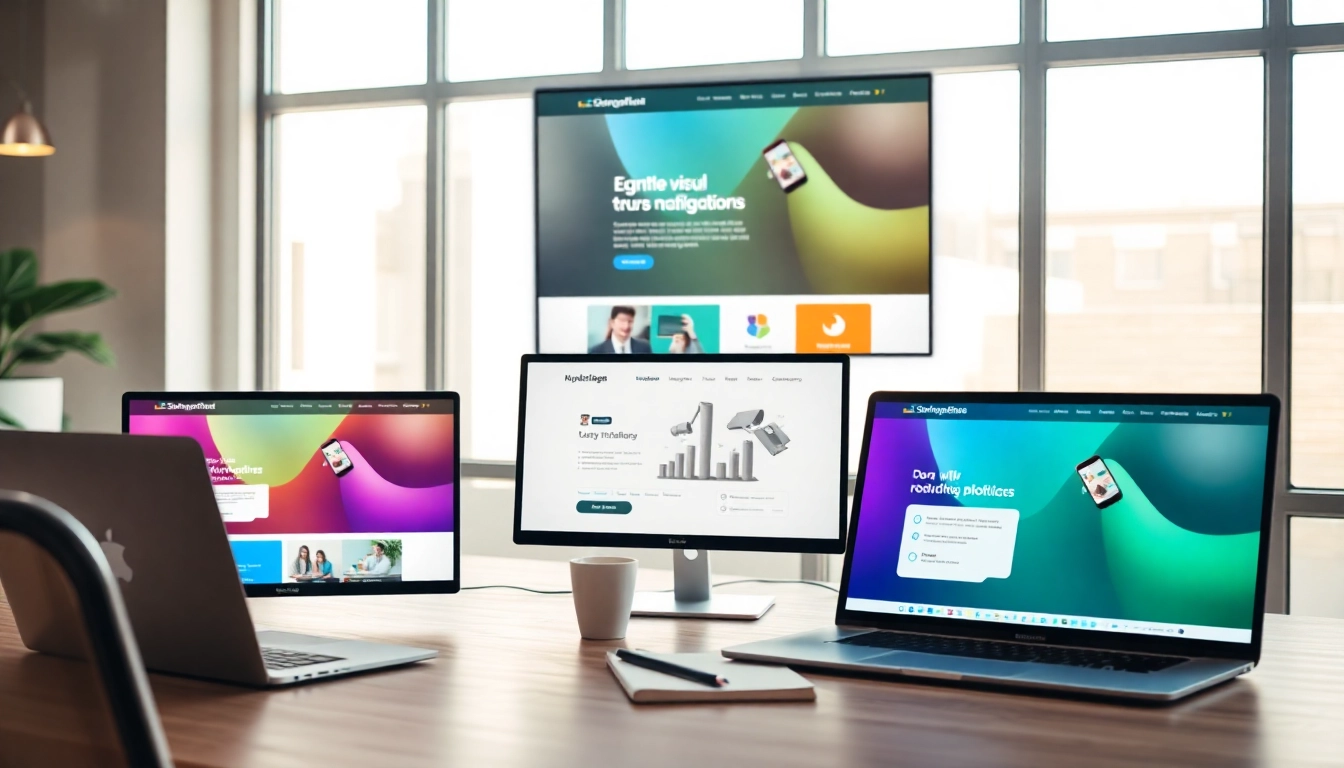
Essential Elements of Effective Web Design
Creating a website that serves its purpose effectively requires a comprehensive understanding of web design principles. For businesses and individuals alike, a well-designed website not only attracts visitors but also engages them, leading to higher conversion rates. This article will delve into the essential elements of effective web design, ensuring that your website reflects your brand and meets user expectations. You can explore further resources on web design at https://www.ound-ound.com.
Understanding User Experience Basics
User Experience (UX) refers to the overall feel of a website. It encompasses various factors that affect how users interact with your site. Good UX is characterized by intuitive navigation, clear and concise content, and a seamless flow from one section of the site to another. Understanding your audience's needs and preferences is essential for crafting a UX that resonates with them.
Key elements of user experience include:
- Accessibility: Ensure that the website is usable for all visitors, including those with disabilities. This can involve text-to-speech features, alt text for images, and appropriate contrast between text and background colors.
- Ease of Navigation: Design a user-friendly menu that allows visitors to find what they're looking for without confusion. Organize content logically and minimize the number of clicks required to reach important information.
- Loading Speed: Optimize your site to load quickly on all devices, as loading delays can drive users away. Tools like Google PageSpeed Insights can help identify performance issues.
The Role of Aesthetics in Engagement
The visual appeal of a website is critical in capturing the attention of potential visitors. Aesthetics go beyond mere color schemes and fonts; they convey a brand's personality and values. High-quality images, thoughtful layouts, and a harmonious color palette create an inviting web environment that encourages users to stay longer.
Important aesthetic considerations include:
- Color Theory: Use color schemes that evoke the desired emotions and responses from your audience. Each color carries associations; for instance, blue is often linked to trust and professionalism, while red can signal excitement or urgency.
- Typography: Choose typography that reflects your brand identity while remaining legible across multiple devices. Consider varying font weights and sizes for emphasis, ensuring you don't overwhelm users with too many typefaces.
- Imagery: Invest in high-quality images or graphics that tell your brand's story. Authentic photographs tend to resonate more than stock imagery, helping to establish a more trustworthy connection with users.
Responsive Design: Importance and Implementation
With an increasing number of users accessing the internet via mobile devices, responsive design has become a non-negotiable aspect of modern web development. A responsive website adjusts its layout and content according to the screen size, enhancing the user experience across various devices.
Key strategies for implementing responsive design include:
- Flexible Layouts: Utilize grid systems that adapt to varying screen sizes, ensuring that content is displayed appropriately regardless of device.
- Media Queries: Apply CSS media queries to adjust styling based on device characteristics such as monitor width or orientation. This ensures an optimal visual experience.
- Viewport Meta Tag: Incorporate the viewport meta tag to control layout on mobile browsers, encouraging better control over how content appears on different devices.
Creating a Unique Brand Identity Online
In a crowded digital marketplace, a distinctive brand identity is essential for differentiation. Your website serves as the primary touchpoint for communicating your brand's values and offerings. By effectively developing your online brand identity, you can create a lasting impression that resonates with visitors.
Visual Branding Components for https://www.ound-ound.com
Visual branding encompasses everything from your logo to your overall design aesthetics. This section will explore the crucial components involved in establishing a solid visual identity for your website:
- Logo Design: Your logo is often the first thing visitors see, making it essential for conveying your brand's essence succinctly and memorably. Ensure that your logo is versatile and adaptable for use across various platforms.
- Consistency: Use a consistent color scheme, typography, and imagery throughout the website to reinforce your brand identity. Consistency builds recognition and trust among users.
- Brand Voice: Reflect your brand's personality through the tone and style of your written content. Whether friendly and approachable or formal and authoritative, your brand voice should resonate with your target audience.
Color Psychology and Its Impact
Color psychology is a powerful tool in web design, influencing emotions and behaviors. Understanding the psychological effects of colors can help guide your design choices, ensuring that your website elicits the right response from users.
Key takeaways include:
- Emotional Response: Different colors evoke specific emotions; for example, yellow is often associated with optimism, while blue can convey reliability. Choose a color palette that aligns with the emotions you want your audience to experience.
- Brand Recognition: Consistent use of colors can help with brand recognition. Developing a distinctive color scheme that users can associate with your brand is crucial for memorability.
- Contrast and Readability: Ensure sufficient contrast between text and background colors to enhance readability, particularly for important calls to action.
Consistent Messaging Across Platforms
Consistency in messaging is vital for building trust and credibility. Your brand's voice should carry across all platforms—whether it's your website, social media, or email marketing.
To maintain consistent messaging:
- Define Your Core Message: Identify your brand's key messages and values, ensuring they align with your target audience's expectations.
- Standardize Your Language: Develop a style guide outlining vocabulary, tone, and phrasing to be used consistently across all communication channels.
- Align Visuals with Content: Ensure that the visuals presented on your site complement the written content, reinforcing the brand narrative.
Leveraging SEO for Improved Visibility
Search Engine Optimization (SEO) is integral to enhancing your website’s visibility in search engine results. A well-optimized website not only attracts more visitors but also improves user experience by making navigation easier. This section will explore essential SEO strategies necessary to put your site on the digital map.
Keyword Integration Strategies
Identifying and integrating the right keywords into your content is critical for SEO success. Keywords should align with what your target audience is searching for, allowing you to drive relevant traffic to your site.
Best practices for keyword integration include:
- Keyword Research: Utilize tools like Google Keyword Planner and SEMrush to identify keywords your audience searches for, analyzing search volume and competition.
- Natural Incorporation: Ensure that keywords are integrated naturally into your content. Over-stuffing can lead to penalties from search engines and deter readers.
- Utilize Variants: Include semantic variations and related terms to capture a broader audience and create richer content.
On-page vs Off-page SEO: What You Need to Know
SEO can be categorized into on-page and off-page techniques. Understanding both aspects is vital for a holistic approach to search optimization.
On-page SEO refers to all optimization strategies within your website itself, including:
- Title Tags and Meta Descriptions: Craft compelling title tags and meta descriptions that include primary keywords while encouraging click-throughs.
- Content Quality: Prioritize high-quality, original content that adds value, engages readers, and encourages sharing.
- Internal Linking: Create a logical internal linking structure to help search engines understand the relationship between different pages and keep users navigating through your site.
Off-page SEO focuses on external factors influencing your site’s ranking, including:
- Backlink Building: Develop a strategy to earn backlinks from reputable sites, as this signals to search engines that your content is valuable.
- Social Media Engagement: Leverage social media platforms to increase brand exposure and drive traffic back to your site.
- Influencer Collaborations: Consider partnerships with influencers within your industry to expand your reach and establish credibility.
Performance Metrics to Track
Tracking the right performance metrics is essential for assessing the effectiveness of your SEO efforts. Critical KPIs to monitor include:
- Organic Traffic: Analyze the amount of traffic coming from organic search results to gauge the impact of your SEO campaigns.
- Bounce Rate: A high bounce rate may indicate that users are not finding what they expected. Strive for a low bounce rate to provide a more engaging user experience.
- Conversion Rate: Track how many visitors complete desired actions, such as making purchases or signing up for newsletters, to measure the effectiveness of your design and content.
Best Practices for Content Creation
Content is not just king; it’s the foundation upon which successful websites are built. Creating compelling, informative, and engaging content is crucial for captivating your audience and achieving your business objectives. This section outlines best practices for content creation that drive engagement and conversions.
Engaging Copywriting Techniques
Effective copywriting is crucial for encouraging action. To create engaging content, consider the following techniques:
- Know Your Audience: Understand your target audience’s preferences, needs, and pain points. Tailor your messaging to speak directly to them.
- Use a Conversational Tone: Write as if you are having a dialogue with the reader. A friendly and approachable tone makes the content more relatable.
- Focus on Benefits: Rather than merely listing features, emphasize how your product or service solves problems for the audience.
Multi-media Incorporation for Better Retention
Incorporating multimedia elements, such as images, videos, and infographics, effectively enhances engagement and retention rates. Different forms of content cater to various learning styles, ensuring that your message reaches a broader audience.
Key strategies for effectively using multimedia include:
- Relevant Images: Use captivating images that relate to your content, breaking up large blocks of text to enhance readability.
- Informative Videos: Consider creating video content to explain complex concepts more clearly and concisely.
- Infographics: Use infographics for data presentation. They offer an engaging alternative to text, making it easier to digest information.
Call-to-Actions that Drive Conversions
Effective call-to-action (CTA) buttons guide users toward the next steps you want them to take. Whether it’s signing up for a newsletter, making a purchase, or downloading a resource, an effective CTA is essential for driving conversions.
Here are techniques to design compelling CTAs:
- Use Actionable Language: Use verbs that prompt immediate action, such as “Get Started,” “Download Now,” or “Claim Your Offer.”
- Strategic Placement: Position CTAs strategically within your content where it feels natural. They should be noticeable without being disruptive.
- Color Contrast: Ensure that your CTAs stand out visually from the surrounding content. Use a contrasting color that complements your overall design scheme.
Future Trends in Web Design
The digital landscape evolves rapidly, and staying abreast of current trends is essential for maintaining a competitive edge. This section highlights some of the most significant trends shaping the future of web design, ensuring your online presence remains relevant and appealing.
Embracing AI and Automation in Design
Artificial intelligence and automation are creeping into web design, offering innovative techniques that streamline the design and development process. Tools powered by AI can analyze user behavior, optimize layouts, and even create designs.
To leverage AI effectively:
- Personalization: Use AI-driven tools to analyze user data and deliver personalized experiences, such as tailored product recommendations.
- Chatbots: Implement AI chatbots to provide instant customer support and improve user satisfaction.
- Automated Content Generation: Consider AI tools that assist in content creation, ensuring a steady stream of updated posts and articles.
Staying Ahead with User-Centric Innovations
User-centric design continues to dominate industry discussions, emphasizing the importance of building websites with the user in mind. Innovative approaches to UX can significantly enhance the overall experience.
Strategies for user-centric design include:
- Continuous User Testing: Regularly conduct user testing sessions to identify pain points in the user journey, enabling you to adjust designs based on actual user feedback.
- Adaptive Interfaces: Create adaptive interfaces that change based on user behavior, offering a more personalized experience.
- Simplicity: Simplify navigation and design elements to ensure users can achieve their goals with the least friction possible.
Preparing for the Next Wave of Digital Experiences
The future of web design is moving toward more immersive experiences, with augmented reality (AR) and virtual reality (VR) becoming increasingly vital. These tools offer ways to engage users on a deeper level, providing opportunities for interaction beyond traditional screens.
To prepare for these advancements:
- Explore AR/VR Applications: Consider how AR or VR could enhance your offerings, providing customers with virtual experiences that showcase products or services.
- Investing in Interactive Content: Develop interactive content such as quizzes, polls, or immersive stories that encourage user engagement and participation.
- Education and Training: Stay updated on emerging technologies through continuous education and training to keep your design skills relevant.