Understanding Structural Steel Installation
What is Structural Steel Installation?
Structural steel installation involves assembling various steel components to create frameworks that support the entire structure. This process is essential across different construction projects, from commercial buildings to bridges and industrial facilities. Understanding the nuances of structural steel installation, including design, assembly, and safety protocols, is crucial for achieving durable and stable structures. Effective structural steel installation ensures that buildings can withstand loads while optimizing material usage and construction timelines.
Benefits of Using Structural Steel
Utilizing structural steel in construction provides a multitude of benefits that are increasingly recognized across various sectors. Here are some key advantages:
- Strength and Durability: Steel offers unparalleled strength-to-weight ratio, making it ideal for supporting heavy loads and enduring harsh weather.
- Flexibility in Design: Steel is versatile, allowing architects to create intricate designs without compromising structural integrity.
- Speed of Construction: Pre-fabricated steel structures can be quickly assembled on-site, significantly reducing construction time.
- Cost-Effective: Due to its longevity and low maintenance requirements, structural steel enhances the overall cost-effectiveness of projects.
- Eco-Friendly: Steel is recyclable, and using it reduces the environmental impact compared to traditional building materials.
Common Applications in Construction
Structural steel serves a wide range of applications, showcasing its flexibility and utility across various construction fields. Some common applications include:
- Commercial Buildings: High-rises and office buildings typically employ frame structures made from steel to maximize space and stability.
- Industrial Facilities: Factories and warehouses utilize steel due to its ability to support heavy machinery and the weight of stored materials.
- Bridges: Steel offers the strength required for long spans in bridge construction, allowing for safer transportation networks.
- Residential Construction: Increasingly, homeowners are using steel in homes for open floor plans and modern design aesthetics.
Key Materials and Tools for Structural Steel Installation
Essential Tools and Equipment
Successful structural steel installation is contingent upon the availability of the right tools and equipment. Some essential tools include:
- Wrenches: Used for tightening and loosening bolts in steel connections.
- Welders: Essential for permanently joining steel components through welding techniques.
- Cranes: Vital for lifting heavy steel sections into place safely and precisely.
- Measurement Tools: Laser levels and tape measures ensure accuracy in alignment and fit.
- Safety Gear: Hard hats, harnesses, and goggles are necessary for worker safety during installation.
Types of Structural Steel Materials
Different types of steel are used in structural applications based on strength, weight, and corrosion resistance needs. Key types include:
- Carbon Steel: The most commonly used form, ideal for structural applications due to its strength and versatility.
- Alloy Steel: Contains additional elements like chromium and nickel for enhanced properties such as impact and wear resistance.
- Stainless Steel: Offers excellent corrosion resistance making it suitable for exposed environments or structures.
- High-Strength Low-Alloy Steel: Combines good weldability with superior mechanical properties, commonly used in structural beams.
Safety Gear for Steel Installation
Worker safety is paramount during structural steel installation, and the appropriate safety gear must be utilized, including:
- Hard Hats: Protect workers from head injuries due to falling objects.
- Safety Harnesses: Necessary for workers who are at heights, preventing falls.
- Gloves: Protect hands from cuts and scrapes while handling steel.
- Eye Protection: Safety goggles guard against flying debris during cutting or welding operations.
- Steel-Toed Boots: Provide foot protection against heavy materials.
Step-by-Step Guide to Structural Steel Installation
Preparation and Planning
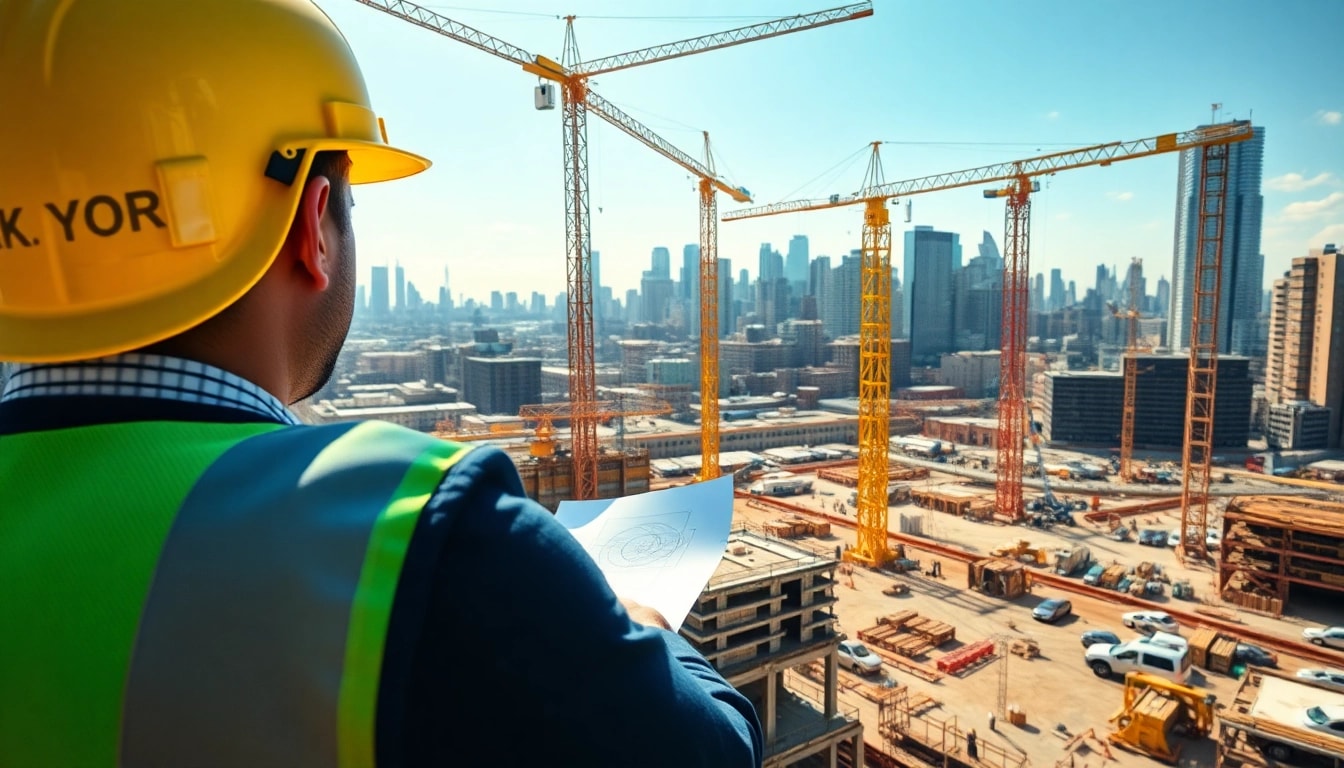
Effective structural steel installation requires extensive preparation and planning to avoid pitfalls during execution. Key steps involved include:
- Blueprint Review: Thoroughly analyze architectural and engineering drawings to understand the specifications.
- Site Assessment: Evaluate site conditions to ensure the readiness for installation, addressing potential challenges.
- Material Inventory: Check all steel components for quality and confirm that they meet design specifications.
- Communication: Establish a clear communication plan among all team members to ensure smooth operations.
Installation Process Overview
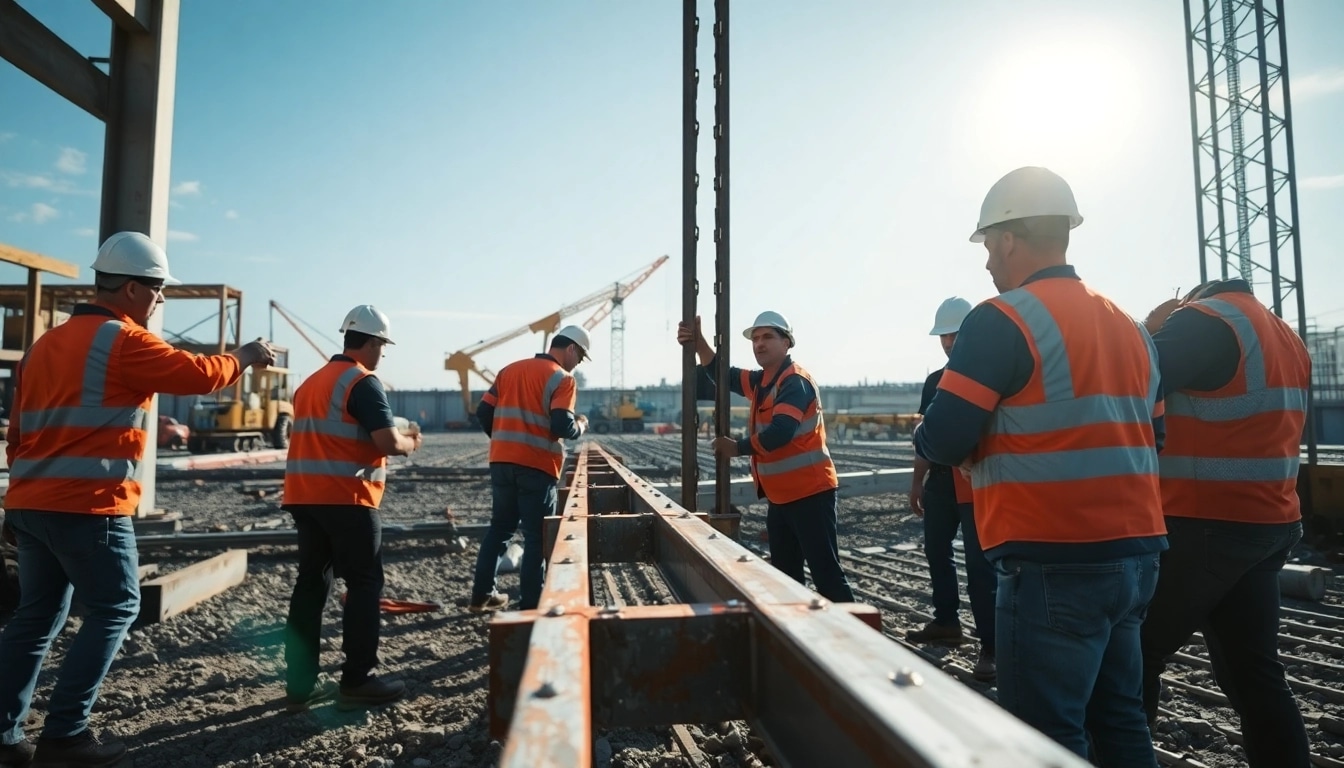
The installation process of structural steel involves several crucial stages:
- Setting up the Framework: Cranes and rigging are used to position the steel frames accurately.
- Connecting Elements: Bolts and welds are employed to secure steel components together, following strict engineering guidelines.
- Alignment and Leveling: Precise measurements are taken to ensure the structure is not only secure but also aligned as per specifications.
- Final Checks: Inspect connections and ensure that all components are properly installed before proceeding.
Quality Assurance Checks
Quality assurance during steel installation is vital for ensuring safety and structural integrity. This involves:
- Visual Inspections: Checking for defects and ensuring proper installation practices are followed.
- Testing Connections: Performing non-destructive tests to verify the strength and safety of welded joints.
- Documenting Inspections: Keeping detailed records of all inspections and tests for future reference and compliance.
- Peer Reviews: Conducting reviews by qualified personnel to ensure adherence to safety and quality standards.
Challenges in Structural Steel Installation
Common Installation Issues
Despite careful planning, common installation issues can arise, including:
- Alignment Challenges: Misalignment of steel components can lead to structural issues. Precision alignment tools are critical to prevent this.
- Connection Failures: Poor welding or bolting can result in weak connections. Regular inspection and training are essential to circumvent this.
- Material Defects: Using substandard materials can compromise integrity. Quality checks should be mandatory at every stage.
Weather and Site Conditions Impact
Weather and site conditions significantly impact structural steel installation. Considerations include:
- Wind Speed: High winds can pose dangers during crane operations and steel handling, necessitating work stoppages.
- Extreme Temperatures: Hot or cold weather can affect material handling and installation practices.
- Wet Conditions: Rain and snow can create slippery conditions, increasing the risk of accidents during installation.
Mitigating Risks During Installation
Mitigating risks in structural steel installation requires a proactive approach:
- Training Programs: Regular safety training can prepare workers to handle equipment and unexpected situations.
- Weather Monitoring: Keep an eye on weather forecasts to plan installations during favorable conditions.
- Emergency Plans: Establish emergency protocols for workers to follow during unexpected events.
Future Trends in Structural Steel Installation
Advancements in Steel Technology
The future of structural steel installation is being shaped by various technological advancements, including:
- Smart Steel: Integration of IoT technology enables real-time monitoring of structural integrity and safety.
- Advanced Welding Techniques: Innovations in welding processes enhance efficiency while improving connection strength.
- 3D Printing: This emerging technology allows for the precise fabrication of unique steel components.
Sustainable Practices in Steel Installation
With environmental concerns on the rise, sustainable practices are becoming crucial in steel installation:
- Recycled Materials: Utilizing recycled steel minimizes waste and reduces carbon footprints in construction.
- Energy Efficiency: Implementing energy-saving techniques during installation decreases overall energy consumption.
- Waste Management: Creating comprehensive plans for waste management helps minimize the environmental impact of steel installation.
Emerging Software Solutions for Architects
Architects are increasingly relying on software solutions to streamline the structural steel installation process:
- BIM (Building Information Modeling): This technology allows for detailed virtual visualization of projects before construction begins.
- Project Management Software: Smart scheduling and resource allocation software can enhance efficiency and communication among teams.
- Design Simulation Tools: These tools enable architects to test structural designs in various scenarios to ensure reliability.
FAQs About Structural Steel Installation
What is the role of structural steel in construction?
Structural steel provides a strong and durable framework that supports loads and enables flexible architectural designs in various construction types.
How long does it take to install structural steel?
The installation time for structural steel can vary significantly based on project size, complexity, and weather conditions but can often be completed in weeks.
What safety measures should be taken during installation?
Safety measures include using personal protective equipment, conducting regular inspections, and adhering to safety protocols during all phases of installation.
Can structural steel be recycled?
Yes, structural steel is highly recyclable, making it an environmentally friendly choice that can be repurposed for new construction projects.
What are the main challenges in structural steel installation?
Main challenges include alignment issues, connection failures, and adverse weather conditions, each requiring strategic planning to mitigate effectively.