Understanding Plate Rolling Fundamentals
What is Plate Rolling?
Plate rolling is a metalworking technique used to bend and shape large sheets or plates of metal into curved forms. This process involves passing the plates through a series of rollers that gradually shape the material into a desired radius. This process is essential in various industries, including aerospace, shipbuilding, and construction. The plate rolling process enables engineers and fabricators to create components that meet exact specifications, allowing for enhanced structural integrity and performance.
Key Components of Plate Rolling Machinery
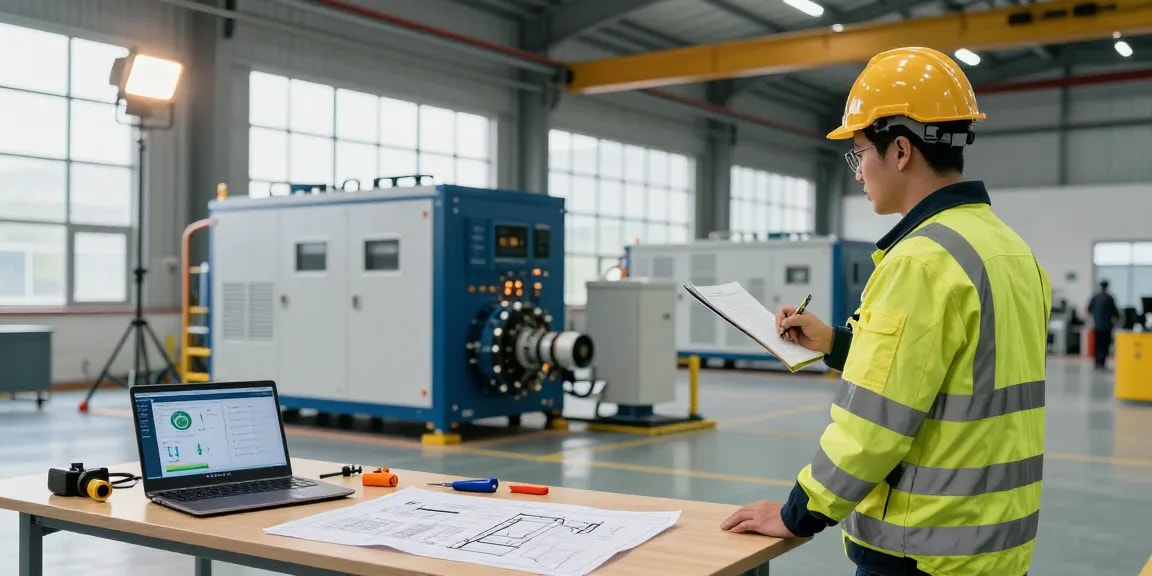
Plate rolling machines are composed of several critical components that contribute to their functionality. The most vital parts include:
- Rollers: The primary tools of a plate rolling machine, typically made of hardened steel, which deform the metal as it passes through.
- Hydraulic Systems: Provide the force necessary to control the movement and positioning of the rollers.
- Control Panels: Enable operators to adjust settings such as speed, angle, and pressure applied to the metal.
- Frames: Provide stability and support for the entire machine, designed to handle the heavy weights involved.
The Science Behind Plate Rolling Techniques
The science of plate rolling is rooted in understanding metal properties and mechanics. The four primary forces acting during plate rolling are:
- Tensile Strength: The resistance offered by the material to being pulled apart, essential for preventing tearing.
- Yield Strength: Indicates the stress at which a material begins to deform permanently, influencing bending capabilities.
- Elasticity: Describes how a material can return to its original shape after the stress is removed, crucial for maintaining form during the process.
- Friction: Affects how the metal interacts with the rollers, impacting the required force and efficiency of the process.
Plate Rolling Techniques Explained
Different Types of Plate Rolling Methods
There are several plate rolling methods used depending on the desired outcome and material type. These include:
- Three-Roller Rolling: Utilizes three rollers positioned in a triangular formation, ideal for creating cylinders or cones.
- Four-Roller Rolling: Offers greater precision for bending thicker plates and can produce tighter curves than three-roller systems.
- Pinch Rolling: This technique uses two rollers to grip the plate while a third roller shapes it, often yielding high accuracy in the desired curve.
- Section Rolling: Specializes in bending beams and similar profiles, crucial for structural applications.
Factors Affecting Plate Rolling Performance
Several factors can significantly impact the efficiency and effectiveness of the plate rolling process:
- Material Thickness: Thicker materials require more significant force, influencing roller choice and machine settings.
- Material Type: Different metals have varying properties, such as hardness and ductility, affecting rolling techniques.
- Roller Configuration: The arrangement and number of rollers can dictate the complexity and capabilities of the rolling process.
- Environmental Conditions: Temperature and humidity can affect metal behavior and machine performance.
Troubleshooting Common Plate Rolling Issues
Despite the advantages of plate rolling, operators may encounter common issues:
- Material Wrinkling: Ensure correct tension and roller configuration to prevent waves in the material.
- Inaccurate Curvature: Regular calibration of equipment can mitigate deviations from specified dimensions.
- Uneven Edges: Inspect the rollers for damage and wear, which can lead to asymmetrical results.
- Overheating: Use cooling systems when rolling thicker materials to maintain optimal working conditions.
Choosing the Right Equipment for Plate Rolling
Manual vs. Hydraulic Plate Rolling Machines
When selecting plate rolling equipment, one must consider the difference between manual and hydraulic machines. Manual systems require considerable physical effort and operator skill, making them suitable for small-scale operations or budgets. However, hydraulic machines offer significant advantages, including:
- Greater bending capacity for thicker materials.
- Increased precision due to automated controls.
- Improved efficiency, reducing time spent on tasks.
Features to Look for in Plate Rolling Equipment
Choosing the right plate rolling machine involves careful consideration of its features, including:
- Roller Diameter: Larger diameters allow for better manipulation of thicker materials.
- Control Systems: Advanced digital controls provide precision and ease of operation.
- Safety Features: Look for emergency stop buttons and guards to protect operators.
- Versatility: A machine capable of handling various shapes and thicknesses offers greater utility.
Maintenance Tips for Longevity of Plate Rolling Machines
Regular maintenance is essential to ensure the longevity and efficiency of plate rolling machines:
- Inspection: Frequently check for any signs of wear or damage to the components.
- Lubrication: Keep moving parts well-lubricated to reduce friction and wear.
- Calibration: Regularly calibrate machines to maintain precision and accuracy in operations.
- Operator Training: Ensure all users are well-trained to prevent misuse and extend machine life.
Plate Rolling in Various Industries
Applications of Plate Rolling in Manufacturing
Plate rolling has diverse applications across various industries. Key sectors include:
- Aerospace: Used to manufacture components like fuselage sections and wing structures.
- Shipbuilding: Essential for forming hulls and other curved surfaces that must withstand marine environments.
- Construction: Used in creating curved beams and structural supports essential for modern architectural designs.
- Automotive: Plays a role in forming parts needed for vehicle frames and bodywork.
Case Studies: Successful Plate Rolling Projects
Examining real-world examples can provide insight into effective plate rolling applications. For instance:
- Aerospace manufacturers successfully utilized four-roller machines to create lightweight yet sturdy aircraft components, demonstrating increased fuel efficiency.
- A leading shipbuilder employed three-roller systems to shape hulls, improving production speed while maintaining safety standards.
- In a recent architectural project, a construction firm implemented advanced plate rolling technology to produce curvilinear steel structures that added aesthetic and structural value.
Future Trends in Plate Rolling Technologies
The future of plate rolling will likely see advancements designed to enhance efficiency and accuracy. Trends to watch include:
- Automation: Increased use of robotics and AI in manufacturing processes may lead to smarter, more efficient rolling systems.
- Material Innovations: New alloys and advanced materials may require advanced rolling methods to maintain performance.
- Sustainability: Emphasis on eco-friendly practices may reshape how materials are processed, pushing for machines that consume less energy.
Measuring Success in Plate Rolling Operations
Key Performance Indicators for Plate Rolling
Evaluating the effectiveness of plate rolling operations can be accomplished through several key performance indicators (KPIs), such as:
- Production Time: Time taken to complete the rolling process from start to finish.
- Material Waste: Amount of scrap generated can indicate operational efficiency.
- Rework Rate: Frequency of errors or defects that necessitate reprocessing.
- Operational Downtime: Measuring machine downtime due to repairs or lack of operation can highlight efficiency opportunities.
Optimizing Workflow in Plate Rolling
To improve workflow and efficiency in plate rolling, consider implementing strategies such as:
- Lean Manufacturing Principles: Streamlining processes to reduce waste and improve efficiency.
- Technology Integration: Using software to track progress, schedule maintenance, and optimize production runs.
- Staff Training: Investing in comprehensive training programs for employees to enhance skills and operational consistency.
- Collaborative Communication: Encouraging open communication between departments to swiftly address any issues that arise during production.
Continuous Improvement Strategies in Plate Rolling
To stay competitive, businesses must engage in continuous improvement strategies, such as:
- Regular Feedback Loops: Gathering feedback from operators and engineers to identify areas of improvement.
- Benchmarking Practices: Comparing processes with industry standards to identify gaps and areas for enhancement.
- Investing in R&D: Allocate resources for research and development to explore new technologies and techniques in plate rolling.
- Quality Control Systems: Establish strong quality control measures throughout the rolling process to maintain high standards.
FAQs About Plate Rolling
What materials can be plate rolled?
Common materials for plate rolling include steel, aluminum, and other metals, each requiring specific techniques and force levels.
How thick can metal be for plate rolling?
The thickness of metal that can be rolled depends on the machine's capacity, but typically ranges from 1/8" to several inches.
What is the difference between plate rolling and bending?
Plate rolling forms metal into curves or cylinders, while bending usually refers to deforming metal along a straight axis.
How do you calculate the required radius for plate rolling?
The radius can be calculated by dividing the material thickness by a specified factor, often determined by the machine settings and material type.
What maintenance is required for plate rolling machines?
Regular lubrication, inspection of components, calibration, and operator training are crucial for the longevity of plate rolling machines.