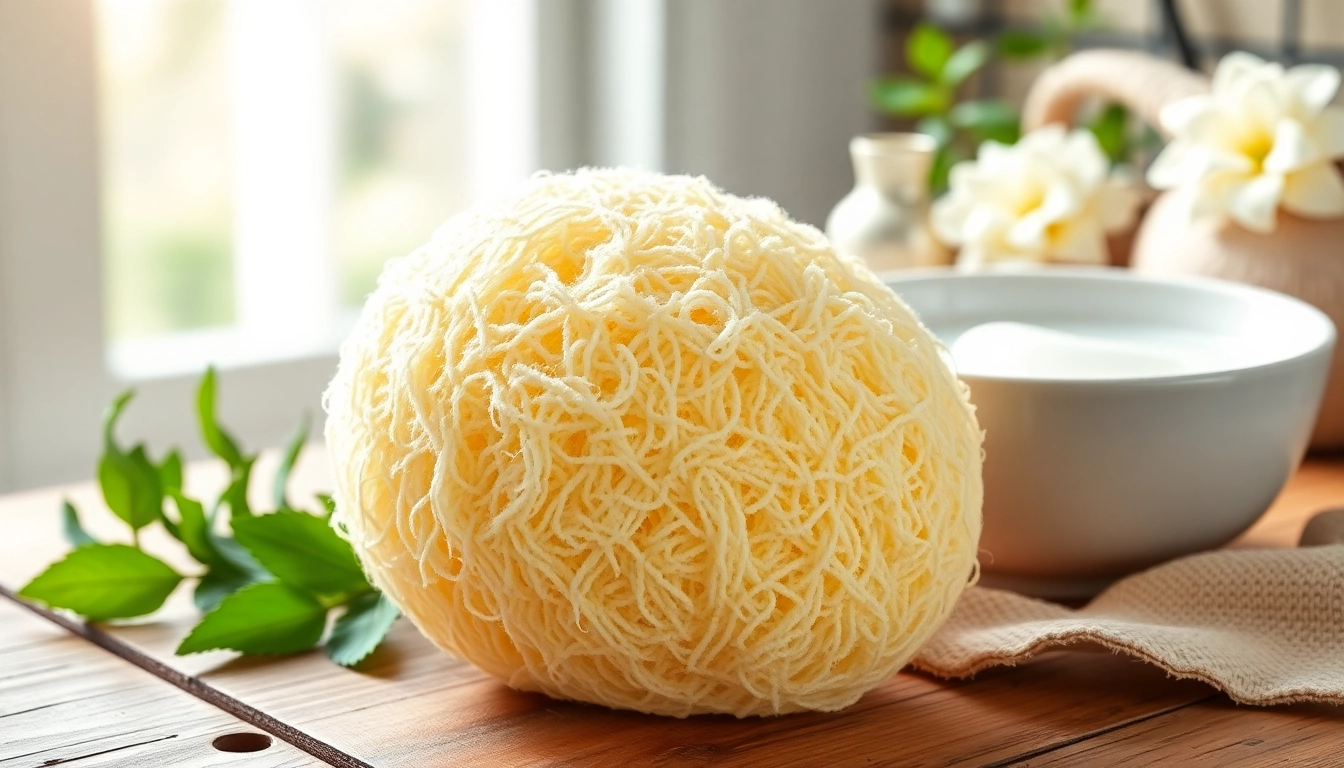
Introduction to Cleaning a Loofah
Loofahs are a popular bath accessory praised for their natural exfoliating properties and ability to create a rich lather when used with soap. However, as with any bath tool, regular maintenance is essential to ensure hygiene and longevity. In this comprehensive guide, we will explore how to clean a loofah, offering effective techniques and best practices for keeping your loofah in top condition.
The Importance of Regular Cleaning
Cleaning your loofah is not just a matter of aesthetic; it's crucial for maintaining personal hygiene. Loofahs can harbor bacteria, mold, and mildew if not cleaned regularly. When using an unclean loofah, you risk transferring harmful microorganisms to your skin, potentially leading to infections or skin irritations. Therefore, establishing a regular cleaning routine is essential for both health and safety.
Signs That Your Loofah Needs Cleaning
Recognizing when your loofah requires cleaning can prevent many hygiene issues. Common signs include:
- Foul Odor: A musty smell indicates the presence of mold or bacteria.
- Color Change: Discoloration or dark spots suggest that it’s time for a deep clean.
- Hard Texture: A loofah that feels stiff or has lost its original softness may be past its prime.
Essential Cleaning Supplies
Before diving into the cleaning techniques, gather the following supplies to streamline the process:
- White vinegar
- Baking soda
- Warm water
- Soft brush or cloth
- Container for soaking
Methods for Cleaning a Loofah
Soaking in Vinegar Solution
A vinegar solution is a natural, antibacterial method for cleaning your loofah. To use this method, follow these steps:
- Mix one part white vinegar with three parts warm water in a bowl or container.
- Submerge the loofah in the solution and let it soak for 15-30 minutes.
- After soaking, gently squeeze the loofah to remove any remaining dirt and residue.
- Rinse thoroughly under running water and allow it to air dry completely.
This method not only cleans but also eliminates any odor lingering in the loofah.
Using Baking Soda for Deep Cleaning
Baking soda is an excellent abrasive cleaner that can help dislodge dirt and grime. Here's how to utilize it effectively:
- Make a paste by mixing baking soda with a small amount of water.
- Apply the paste directly to the loofah and gently scrub using a soft brush or your fingers.
- Rinse the loofah under warm water until all residue is removed.
- Allow the loofah to dry completely before storing.
This deep-cleaning method works well for loofahs that have not been cleaned in a while.
Gentle Hand Washing Techniques
If you prefer a gentler approach, hand washing your loofah can be effective. To do this:
- Fill a basin with warm, soapy water (mild soap works best).
- Submerge the loofah and gently knead it with your hands, squeezing out dirt and soap.
- Rinse thoroughly to ensure all soap is washed away.
- Allow it to air dry in a well-ventilated space.
This method keeps the loofah's fibers intact while ensuring cleanliness.
Maintaining Your Loofah for Longevity
Drying and Storing Best Practices
Proper drying and storage can significantly extend the life of your loofah. Follow these tips:
- Air Dry: After each use, rinse the loofah thoroughly and hang it in a well-ventilated area to dry completely.
- Avoid Moist Areas: Don’t store your loofah in a damp bathroom where moisture accumulates.
- Use a Holder: Consider using a hanging holder or suction cup to keep the loofah off surfaces and allow airflow.
Alternating Use with Other Bath Accessories
To reduce wear and tear on your loofah, consider alternating its use with other bath tools, such as:
- Soft washcloths
- Exfoliating mitts
- Body brushes
This practice not only provides a break for your loofah but can also contribute to a more varied skin routine, promoting healthy skin.
Choosing the Right Loofah Type
The type of loofah you choose can impact how often and how easily it needs cleaning. There are primarily two categories:
- Natural Loofahs: Biodegradable and typically more hygienic when cared for properly, they require regular cleaning.
- Synthetic Loofahs: Often easier to clean but may not offer the same natural benefits as their organic counterparts.
Selecting the right type based on your needs can influence how long your loofah lasts and how effectively it can be maintained.
Common Mistakes to Avoid
Overlooking Cleaning Frequency
One of the most prevalent mistakes is neglecting to establish a cleaning routine. To maintain hygiene, make it a habit to clean your loofah at least once a week.
Using Harsh Chemicals
Harsh chemicals can damage the natural fibers of a loofah and pose health risks. Stick to natural cleaning solutions like vinegar and baking soda for safe cleaning.
Neglecting to Replace When Necessary
Loofahs have a lifespan of 3-4 weeks; ignoring signs of wear can lead to using an ineffective exfoliating tool or worse—both a health hazard and ineffective skincare. Always keep an eye on your loofah's condition.
FAQs about How to Clean a Loofah
How often should I clean my loofah?
Clean your loofah once a week for optimal hygiene.
Can I put my loofah in the washing machine?
No, avoid using the washing machine as it can damage the fibers.
What is the best solution for cleaning a loofah?
A mixture of vinegar and water is effective for deep cleaning.
How do I know when to replace my loofah?
Replace your loofah every 3-4 weeks or if it shows signs of wear.
Are synthetic loofahs harder to clean?
Synthetic loofahs can be cleaned, but natural ones are generally more hygienic.