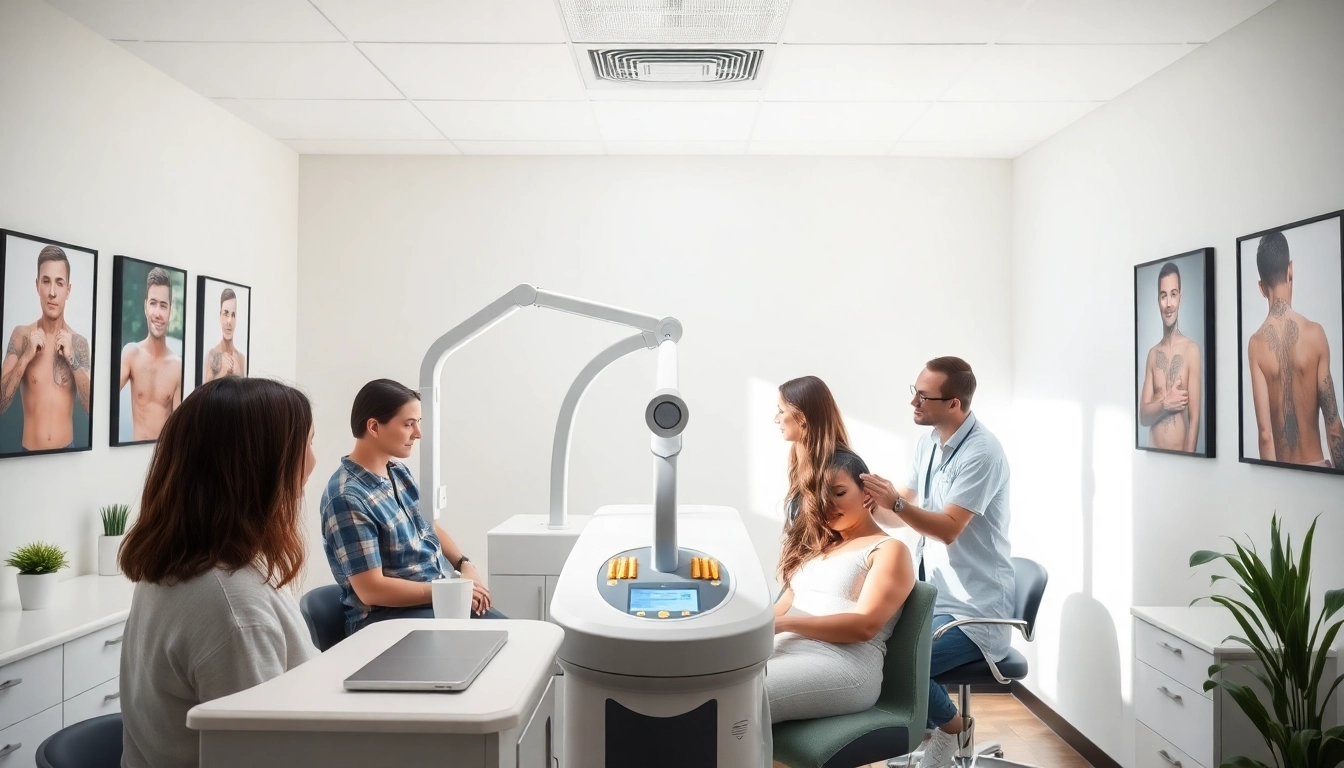
Understanding Laser Tattoo Removal Costs
As the popularity of tattoos has risen, so has the desire for their removal. Whether you regret a decision made in the past or wish to make space for new art, laser tattoo removal has become the go-to option for many. However, one pressing question looms large for those considering this procedure: how much does laser tattoo removal cost? The answer is not straightforward due to several influencing factors that play a critical role in determining the overall expenses involved. In this article, we will break down the costs associated with laser tattoo removal, the factors influencing these costs, and possible alternatives to help you make an informed decision.
What Factors Influence Cost?
Laser tattoo removal costs can vary significantly based on several key factors:
- Size of the Tattoo: Larger tattoos require more time and multiple sessions, increasing the removal cost.
- Color and Ink Depth: Different inks respond differently to laser treatment, affecting the complexity and thus the cost of removal.
- Skin Tone: The effectiveness of laser treatment can be influenced by skin tone, necessitating adjustments that may increase costs.
- Age of the Tattoo: Older tattoos may fade more easily, potentially reducing the number of sessions needed.
- Clinic Location: Urban clinics often charge more than their rural counterparts due to higher operational costs.
Comparing Session vs. Total Costs
When contemplating tattoo removal, it's crucial to understand how costs accumulate. A single session of laser tattoo removal typically ranges from $200 to $500, depending on the size and intricacy of the tattoo. However, complete removal often requires between 5 to 10 sessions, leading to a cumulative cost of anywhere from $1,000 to $4,000 or more. It's advisable to factor in both individual session prices and the anticipated total for complete removal.
Financing Options: What You Need to Know
Recognizing the potential financial burden, many clinics offer financing options to make the process more manageable. It's worth exploring different payment plans, as these can help you spread the costs over time and alleviate the pressure of upfront payments.
Average Costs Associated with Tattoo Removal
Cost Ranges by Tattoo Size
The cost of laser tattoo removal is heavily influenced by the size of the tattoo. Clinics typically charge based on square inches, and here's a general breakdown:
- Small Tattoos (1-2 square inches): $200 - $300 per session.
- Medium Tattoos (3-6 square inches): $300 - $400 per session.
- Large Tattoos (7+ square inches): $400 - $500+ per session.
The Impact of Color and Ink Depth
Another significant factor is the color and depth of the ink used. Black ink is generally the easiest to remove, while colors like green, blue, and yellow may require specialized lasers, potentially extending sessions and increasing costs. For instance, vibrant and densely pigmented inks may necessitate advanced technologies, further complicating the pricing structure.
Skin Type Considerations
Skin tone also plays a vital role in the treatment process. Certain lasers are more effective on specific skin types. For example, individuals with darker skin tones require a different approach to avoid complications such as hyperpigmentation. Consequently, treatments may be adjusted, which can influence the overall treatment expense.
Technologies Used in Laser Tattoo Removal
Overview of Common Laser Technologies
Clinics employ various laser technologies tailored for different ink types and skin tones. Here are the most common:
- Q-Switched Lasers: Popular for their ability to produce short pulses of high power that effectively break down tattoo ink.
- ND YAG Lasers: Effective for darker inks and suitable for a wide range of skin tones.
- Picosecond Lasers: The latest advancement, utilizing ultra-short pulses for quicker and more effective ink breakdown.
Benefits of Picosecond vs. Q-Switched Lasers
While both Q-switched and picosecond lasers are effective, the latter often requires fewer treatment sessions due to enhanced efficiency. Patients can experience quicker results, which, despite the higher initial cost, may save money in the long run by reducing the total number of sessions required.
Cost Implications of Different Machines
The cost of laser tattoo removal machines significantly influences pricing at clinics. Entry-level Q-switched laser machines can range from $10,000 to $30,000, while more advanced ND YAG systems cost between $30,000 and $60,000. Picosecond lasers, being the most advanced, can exceed $70,000. Clinics invest in these machines to enhance results and efficiency, affecting the pricing structure for patients.
Estimating the Total Number of Sessions
Average Sessions for Complete Removal
For complete tattoo removal, most individuals will require between 5 to 10 sessions. The exact number can vary based on several factors including the tattoo's size, color, and the patient's skin type. It’s essential to consult with a professional to obtain a personalized estimate.
Factors Affecting Treatment Frequency
Various factors influence how frequently sessions can be scheduled. Generally, sessions are spaced out by 6 to 8 weeks to allow the body adequate time to eliminate the broken-down ink particles. Personal health factors, such as the efficiency of the immune system and the tattoo's placement on the body, can also impact treatment frequency.
Importance of Individual Consultation
Before undergoing any tattoo removal procedures, an initial consultation with a qualified professional is crucial. They will evaluate your specific situation, consider all influencing factors, and provide a tailored treatment plan that suits your needs and budget.
Alternatives to Laser Tattoo Removal
Pros and Cons of Chemical Peels
Chemical peels involve applying acids to the skin to break down ink. While this method may be less expensive than laser removal, it often leads to skin irritation and can be ineffective on darker tattoos. Additionally, chemical peels typically require more recovery time.
Understanding Dermabrasion and Cover-Ups
Dermabrasion is another method that physically removes layers of skin but can be painful and may result in scarring. Cover-up tattoos, while providing a cosmetic solution, are not always effective, particularly for darker and more extensive designs, making them less reliable than laser removal.
Evaluating the Effectiveness of Alternatives
Although laser removal tends to be more costly initially, the precision and effectiveness make it the most reliable option. Alternatives such as chemical peels and dermabrasion can yield unsatisfactory results, making them less advisable for those seeking permanent removal.
Conclusion
In summary, the costs associated with laser tattoo removal can vary widely based on several factors including the size and color of the tattoo, the technology used, and individual skin characteristics. While prices may seem steep, the effectiveness of modern laser technology often justifies the investment. It's crucial to consult with experienced professionals who can provide personalized estimates and ensure the safest and most effective treatment possible for your unique situation.
Frequently Asked Questions (FAQ)
Does cost vary greatly based on tattoo size?
Yes, larger tattoos require more time, leading to higher costs for both individual sessions and total removal.
How is the cost of one session compared to total removal?
A single session typically costs between $200 to $500, but full removal may require 5 to 10 sessions, resulting in a total of $1,000 to $4,000 or more.
Is laser removal of tattoos safe for every skin type?
Laser tattoo removal is generally safe for most skin types, especially when appropriate technology is used, such as the ND YAG laser, which is adjustable for different skin tones.
Which laser produces optimal results for removing tattoos?
Picosecond lasers are currently the most effective, offering quicker results and often requiring fewer sessions than traditional Q-switched lasers.