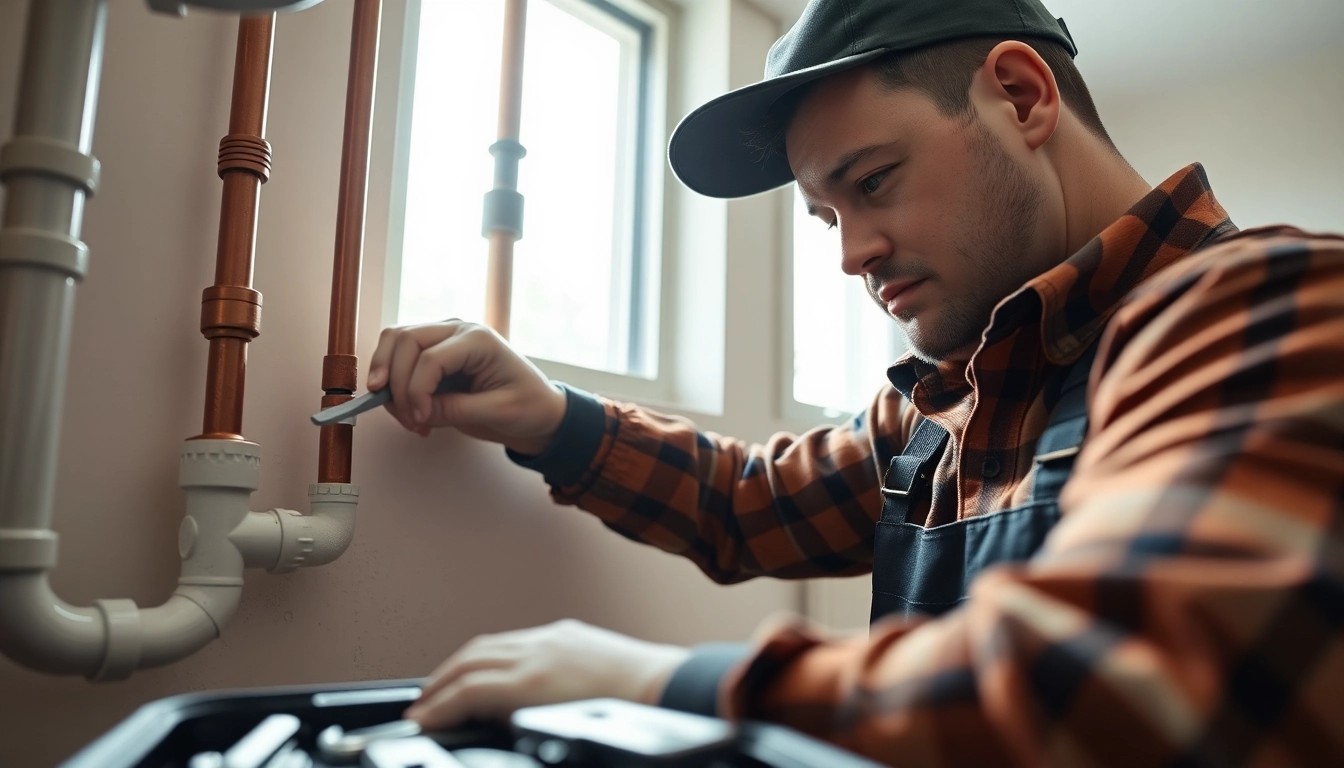
Understanding Whole House Repiping Brandon FL
When it comes to plumbing issues in your home, one of the most significant and often daunting tasks is whole house repiping. This procedure entails replacing all the old pipes in your home, ensuring that your plumbing system is up to modern standards and capable of providing reliable water flow and drainage. If you're exploring options for Whole House Repiping Brandon FL, understanding the details of this process can help you make informed decisions.
What Is Whole House Repiping?
Whole house repiping involves the complete replacement of the plumbing pipes throughout your home. This process is usually necessary for older homes where pipes have experienced significant wear and tear, corrosion, or leaking. Common materials like copper and galvanized steel may deteriorate over time, leading to various plumbing problems. Repiping ensures that your plumbing system is functioning safely and efficiently.
Signs Your Home Needs Repiping
Before undertaking a repiping project, identifying the signs that indicate your home requires such intervention is critical. Here are some common indicators:
- Frequent Leaks: Regular leaks are a major sign that your plumbing infrastructure is failing.
- Discolored Water: Rusty or discolored water suggests corroded pipes that need replacement.
- Low Water Pressure: Sudden drops in water pressure can indicate blockages or damage within the pipes.
- Sound of Running Water: Unexplained noises, like running water, can signal hidden leaks.
- Mold and Mildew: Unexplained mold growth in areas near your plumbing can indicate water leakage.
Benefits of Whole House Repiping
Investing in whole house repiping comes with numerous advantages, including:
- Improved Water Quality: Replacing old pipes enhances the quality of water, removing contaminants that may have accumulated over time.
- Increased Property Value: Updated plumbing systems can increase your home's value and appeal to potential buyers.
- Reduced Risks: New pipes decrease the likelihood of leaks, flooding, and extensive water damage.
- Enhanced Efficiency: Modern materials can offer better flow rates, improving overall water efficiency in your home.
Materials Used in Whole House Repiping
PEX vs. Copper: Which Is Better?
Two of the most commonly used materials in repiping projects are PEX (cross-linked polyethylene) and copper. Each has its own advantages:
- Copper: Known for its longevity and resistance to bacteria, copper pipes have been a traditional choice in plumbing. They withstand extreme temperatures and have a proven track record. However, they can be more expensive and susceptible to corrosion over time.
- PEX: A more modern solution, PEX is flexible, easy to install, and inherently resistant to scale and chlorine. Additionally, PEX does not corrode, making it an increasingly popular choice for homeowners.
The choice between PEX and copper will depend on factors such as budget, local plumbing codes, and personal preference.
Choosing the Right Material for Your Home
When deciding on the piping material for your repiping project, consider:
- Home Environment: Evaluate factors such as temperature fluctuations and water quality in your region.
- Budget: Consider initial costs and long-term value, including installation and maintenance expenses.
- Building Codes: Ensure compliance with local plumbing regulations which may favor certain materials.
Common Installation Techniques
The installation of new plumbing involves careful planning and execution. Common techniques include:
- Pipe Bursting: This method involves breaking up old pipes while simultaneously installing new ones, minimizing disruptions.
- Open Cut Method: This involves physically excavating to replace or repair pipes, often used for extensive damage.
- Trenchless Technology: A less invasive approach, this technique allows for repiping without extensive digging, preserving your landscaping.
Cost Factors for Whole House Repiping Brandon FL
Average Cost and Pricing Breakdown
The cost associated with whole house repiping can vary widely based on several factors. On average, homeowners may expect to pay between $4,000 and $15,000 for complete repiping, depending on the size of the home, materials used, and local labor rates. A typical breakdown of costs includes:
- Labor Charges: The cost of hiring skilled plumbers, which can range between $45 to $200 per hour.
- Material Costs: Depending on whether you choose PEX or copper, material costs can vary significantly.
- Permits and Fees: Local regulations often require permits, which can add to the total expense.
Factors Influencing the Price
Several elements can influence the cost of whole house repiping, including:
- Home Size: Larger homes require more materials and labor, increasing overall costs.
- Accessibility: If the piping is hard to access (e.g., inside walls or under floors), labor costs may rise significantly.
- Existing Plumbing Conditions: Complications such as existing damage, diversions, or older infrastructure can escalate the project cost.
Financing Options Available
Many homeowners explore financing options to make the investment in whole house repiping more manageable. Common financing options include:
- Home Equity Loans: Utilizing your home’s equity can provide a lump sum at a low-interest rate.
- Personal Loans: Unsecured personal loans can cater to smaller projects, often with predictable monthly payments.
- Payment Plans: Some plumbing companies offer flexible payment arrangements, allowing homeowners to pay in installments.
The Repiping Process: What to Expect
Initial Consultation and Assessment
The journey to successfully mitigate plumbing issues begins with a thorough inspection of your existing system. A plumber will evaluate:
- Your current plumbing setup
- Signs of damage or wear
- Your specific plumbing needs and concerns
This evaluation forms the foundation for a tailored repiping plan that addresses all your challenges.
Installation Procedure Explained
During the installation phase, expect the following steps:
- Preparation: Isolating the plumbing system and preparing your home for the installation.
- Removing Old Pipes: Carefully removing existing pipes while ensuring minimal disruption.
- Installing New Piping: Depending on the chosen method, new pipes are installed and connected to existing fixtures.
- Testing: Once installed, thorough testing ensures everything works perfectly, with no leaks or pressure drops.
Post-Installation Considerations
After the installation is complete, keep these considerations in mind:
- Regular Maintenance: To prolong the lifespan of your new plumbing, consider regular inspections and maintenance.
- Documenting Changes: Keeping records of the repiping will help future plumbing work and facilitate appraisals.
FAQs about Whole House Repiping Brandon FL
How long does a whole house repiping take?
The duration can vary, but most repiping projects typically take between 1 to 3 days, depending on the home size and complexity of the plumbing system.
Are permits required for repiping?
Yes, in most areas, permits are required for whole house repiping to ensure that the work meets local plumbing codes and regulations.
What are the signs of old pipes?
Common signs include low water pressure, discoloration of water, recurrent leaks, and frequent plumbing repairs that suggest underlying issues.
Will repiping affect my water pressure?
Generally, repiping can improve water pressure significantly, especially if old pipes were corroded, clogged, or of smaller diameter than what is being installed.
Is repiping covered by homeowners insurance?
Coverage for repiping can vary by policy. Check with your insurance provider for specifics about what is covered during such renovations.