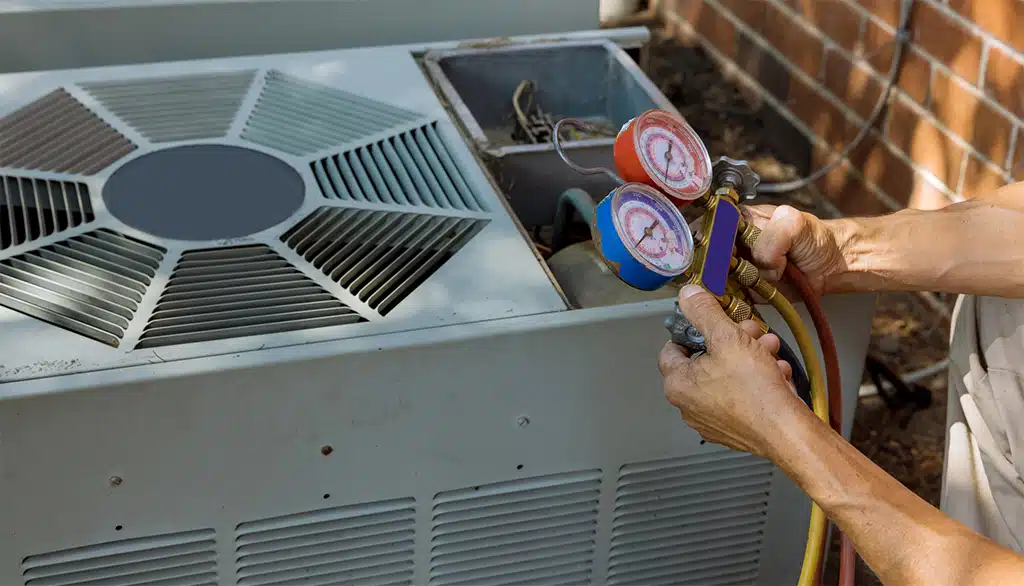
Understanding Residential Heating and Cooling Needs
Choosing the right system for your home is essential to ensure year-round comfort and efficiency. The realm of residential heating and cooling presents various options, making it crucial for homeowners to understand their specific needs. Factors such as climate, home layout, and individual preferences can significantly impact the decision-making process. This section delves into why selecting the appropriate system is paramount, alongside key influencing factors and essential knowledge for homeowners.
Importance of Choosing the Right System
Selecting the proper heating and cooling system is paramount because it directly influences energy efficiency, comfort levels, and utility costs. An inadequately sized system can lead to increased energy consumption and fluctuating indoor temperatures. Furthermore, the right system can enhance indoor air quality, reducing the risk of health issues associated with poor ventilation.
Key Factors Influencing Heating and Cooling Requirements
Several factors affect the heating and cooling needs of a residential space:
- Climate: Areas with extreme temperatures may require more robust systems.
- Home Size: Larger homes generally need more powerful systems to maintain comfort throughout.
- Insulation Quality: Well-insulated homes can retain heat and cool air more effectively, reducing system demands.
- Number of Occupants: More residents typically mean higher energy use and varied comfort preferences.
- Windows and Doors: The type and quality of windows and doors can affect airflow and energy efficiency.
Residential Heating and Cooling Basics for Homeowners
Understanding the basics of residential heating and cooling systems equips homeowners with knowledge to make informed decisions. Different systems operate on varying principles:
- Forced Air Systems: Utilize ducts to distribute heated or cooled air.
- Radiant Heating: Heats floors directly, offering an energy-efficient heating solution.
- Heat Pumps: Transfer heat between indoors and outdoors, providing both heating and cooling functions.
- Smart Thermostats: Allow for precise temperature control and improve energy management.
Types of Residential Heating and Cooling Systems
Overview of Central Heating and Cooling Options
Central heating and cooling systems are designed to provide climate control across entire homes. Common options include:
- Central Air Conditioners: Utilize refrigerants to cool air, released through duct systems.
- Gas Furnaces: Burn natural gas for heat, typically used in colder climates.
- Electric Furnaces: Use electric resistance heating, often cost-efficient in areas with mild winters.
- Boilers: Heat water to provide hot water or steam for residential heating.
Benefits of Ductless Systems for Residential Spaces
Ductless heating and cooling systems, or mini-split systems, have gained popularity for various reasons:
- Energy Efficiency: Allow for zoning, enabling heating or cooling of individual rooms, reducing energy waste.
- Easy Installation: Require less invasive installation, often only needing a small hole for conduit.
- Improved Air Quality: Less dust and allergens circulate due to the absence of ducts.
Innovative Smart Thermostat Technologies
Smart thermostats have revolutionized how homeowners control their heating and cooling systems. Features include:
- Remote Access: Allow users to adjust settings from smartphones or laptops.
- Learning Capabilities: Some models learn user habits and automatically adjust settings for optimal efficiency.
- Energy Reports: Provide insights into energy usage, helping homeowners make informed adjustments.
Energy Efficiency in Residential Heating and Cooling
Understanding SEER and HSPF Ratings
Energy efficiency ratings are essential when selecting residential heating and cooling systems. The Seasonal Energy Efficiency Ratio (SEER) measures cooling systems' efficiency, while the Heating Season Performance Factor (HSPF) measures heating systems. Systems with higher ratings typically lead to lower energy bills and reduced environmental impact.
Tips for Maximizing Energy Efficiency
Homeowners can implement several strategies to enhance the energy efficiency of their heating and cooling systems:
- Regularly change air filters to maintain air quality and system efficiency.
- Seal cracks and insulation gaps to prevent heat loss or gain.
- Install programmable or smart thermostats to optimize temperature settings according to usage patterns.
Calculating Savings from Energy-Efficient Systems
Calculating potential savings from energy-efficient systems involves understanding your current energy costs and the efficiency ratings of a prospective system. Homeowners can benefit from using calculators available online or consulting with professionals to estimate return on investment based on energy savings over time.
Maintenance for Residential Heating and Cooling Systems
Regular Maintenance Checklists for Homeowners
Regular maintenance is critical for prolonging the life and performance of heating and cooling systems. Homeowners should adhere to these checklists:
- Inspect and replace air filters every 1–3 months.
- Check thermostat settings to ensure correct functionality.
- Clean and clear outdoor units from debris.
- Schedule professional inspections annually for comprehensive checks.
Common Issues and Troubleshooting Tips
Common problems in heating and cooling systems include:
- No warm air: Check thermostat settings, and ensure the system is powered on.
- Loud noises: Inspect for loose components or debris in the fan.
- Inconsistent temperatures: Evaluate insulation and air leaks that might affect performance.
When to Call a Professional for Repairs
Homeowners should consider professional help if they encounter persistent issues, experience higher-than-usual energy bills despite normal operation, or face any unusual smells or sounds from the system. A qualified technician can diagnose and rectify issues quickly, providing peace of mind and ensuring safety.
FAQs about Residential Heating and Cooling
What factors should I consider when choosing a heating system?
Consider factors like climate, home size, insulation quality, and energy sources available to determine the best heating system for your needs.
How often should I service my heating and cooling systems?
It is advisable to service your HVAC system at least once a year, ideally twice—once before heating season and once before cooling season.
What are the signs that my HVAC system needs repairs?
Signs include unusual noises, fluctuating temperatures, higher energy bills, and inconsistent airflow in different rooms.
Can I install a heating and cooling system myself?
While minor tasks like filter changes can be DIY projects, installing an HVAC system typically requires professional expertise for safety and compliance with codes.
What energy-efficient options are available for my home?
Options include ENERGY STAR-rated systems, programmable thermostats, ductless mini-splits, and high-efficiency furnaces and air conditioners.