Understanding Vintage Leather Materials
Types of Leather Used in Jackets
Vintage leather jackets are not just fashion items but also pieces of art, each representing craftsmanship and history. The most common types of leather used in these jackets include cowhide, lambskin, goatskin, and pigskin. Cowhide is favored for its durability, while lambskin is known for its softness and luxurious feel. Goatskin is lighter yet strong, making it ideal for both style and protection, and pigskin, though less common, is resilient and affordable. Understanding these materials helps in restoring vintage leather jackets to their former glory.
Identifying Wear and Damage
Before embarking on the journey of Restoring vintage leather jackets and gear, it’s crucial to assess the condition of the leather. Common signs of wear include cracked leather, fading color, and worn-out seams. Inspect the lining for tears and check for any structural damage that might affect the jacket's integrity. Identifying these issues early can guide the restoration process, determining whether simple cleaning or comprehensive repairs are necessary.
Caring for Different Leather Types
Each leather type requires a specific care regimen. Cowhide can benefit from regular conditioning to maintain its toughness. Lambskin, being more delicate, should be conditioned with a gentler, non-oily product to prevent it from becoming sticky or greasy. Goatskin often benefits from a mixture of cleaning and light conditioning, while pigskin should only be treated with products that allow the natural texture to breathe, avoiding excessive moisture. Understanding these nuances is essential for maintaining vintage leather jackets.
Essential Tools and Products for Restoration
Must-Have Restoration Tools
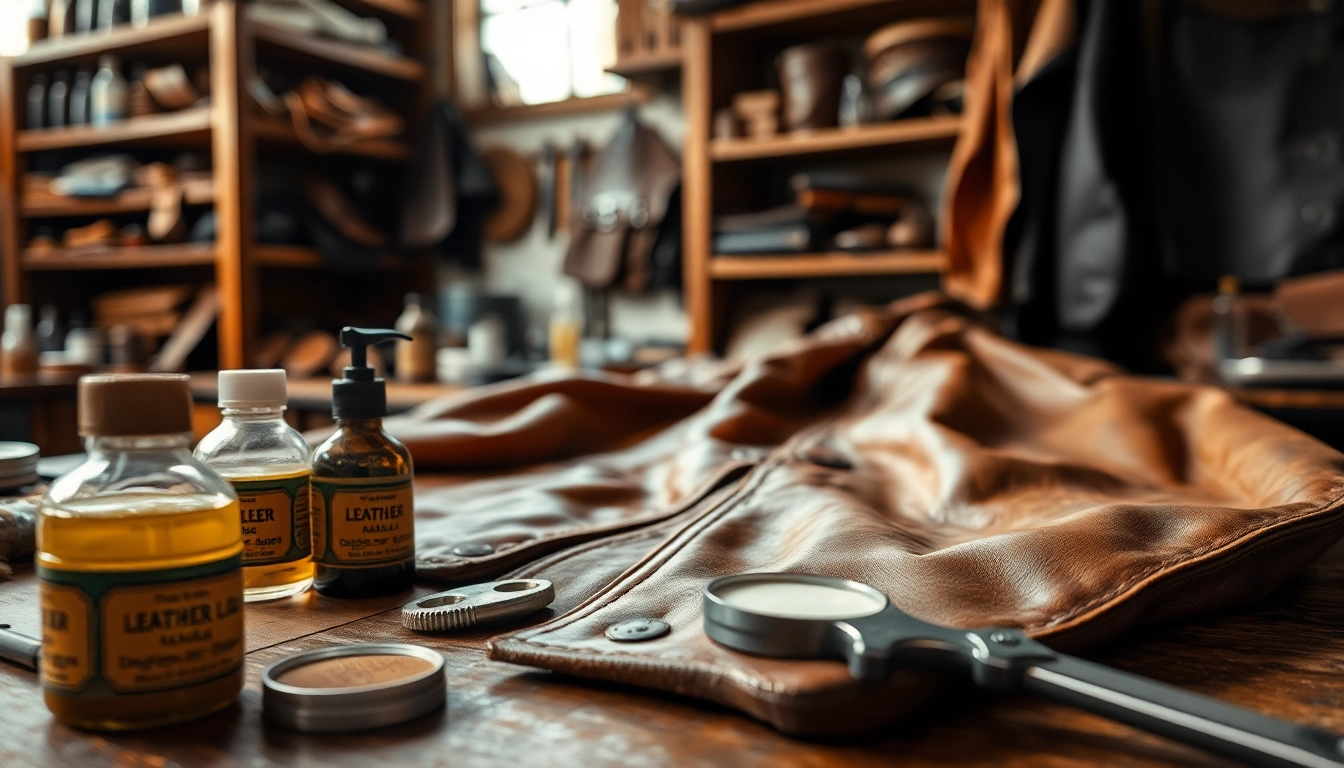
Embarking on a restoration project requires the right tools. Essential items include soft cloths or sponges for cleaning, leather brushes for applying products evenly, and various grades of sandpaper for smoothing out deep scratches. Needles and waxed thread are vital for repairing seams, while a heat source can be useful for addressing stubborn creases. Owning these tools ensures that you have everything necessary to carry out a comprehensive restoration.
Top Leather Conditioning Products
The market offers a plethora of leather conditioning products suitable for restoring vintage jackets. Look for high-quality leather cleaners and conditioners free from harsh chemicals. Natural products like lanolin and beeswax can effectively moisturize and protect leather. Some of the best conditioners include those containing mink oil and neatsfoot oil, both known for their ability to penetrate deeply and repair leather fibers while maintaining flexibility.
DIY vs Professional Restoration
Choosing between DIY restoration and professional services largely depends on the jacket's condition and your skill level. For minor damages, such as surface cleaning and conditioning, a DIY approach may suffice. However, if your vintage jacket has significant stitching problems or deep-set stains, consulting a professional may save you time and emotional investment. Evaluating your comfort level and the complexity of the restoration will guide your decision.
Step-by-Step Guide to Restoring Leather Jackets
Preparation and Cleaning Process
The restoration process begins with thorough preparation and cleaning. Start by removing any accessories or linings and checking for tags that might outline specific care instructions. Use a soft brush to eliminate dirt and dust before applying a gentle leather cleaner. Always test cleaning products on a small hidden area first to ensure they do not alter the leather's color or texture. Once clean, allow the jacket to dry naturally away from direct heat.
Conditioning and Recoloring Techniques
Conditioning is essential in keeping leather supple and preventing cracks. Apply conditioner with a soft cloth, covering the entire surface evenly. For jackets that have faded or lost their color, consider using leather dye. Follow the manufacturer's instructions carefully and opt for colors that closely match the original. Recoloring not only rejuvenates the appearance but also protects the leather from further damage.
Repairing Stitches and Seams
Addressing damaged seams is crucial for restoring a jacket's integrity. Use strong, waxed thread and a needle suitable for heavier fabrics to repair minor tears. For more serious damages, a technique known as ‘double-stitching’ can reinforce areas of stress, ensuring longevity. Always take your time during this step to prevent further damage and maintain alignment of the leather pieces.
Preventive Maintenance for Vintage Leather
Regular Cleaning and Conditioning
To prolong the life of vintage leather jackets, consistent maintenance is key. A regular cleaning routine should be established—generally, wiping down the jacket with a damp cloth after each use can remove surface dust. Additionally, conditioning every three to six months allows the leather to retain moisture and elasticity, preventing cracking and stiffness over time.
Storage Tips to Keep Leather Safe
Proper storage of leather jackets impacts their longevity significantly. Avoid placing them in damp areas, as moisture can lead to mold. Instead, use breathable garment bags or hang them in a dark, cool, dry space to prevent exposure to sunlight. Avoid using plastic covers, as these can trap moisture. If you're concerned about stretching, use wide padded hangers that maintain the jacket's shape.
Protective Products to Extend Lifespan
Using protective products can significantly enhance the longevity of vintage leather gear. Waterproofing sprays designed for leather can help in shielding against rain and spills. Additionally, applying a leather protective cream can establish a barrier against dirt and stains. Always check compatibility with your specific leather type to ensure the product does not cause discoloration or damage.
FAQs About Restoring Vintage Leather Jackets
Can I restore a severely damaged jacket?
Yes, many heavily damaged leather items can be restored with proper techniques and products, including cleaning, conditioning, and, if necessary, stitching repairs.
How often should I condition my leather jacket?
Condition every 3-6 months, or more often if it’s used frequently, to keep it supple and prevent cracking or drying out.
Is it possible to change the color of my leather jacket?
Yes, using specialized leather dyes allows you to effectively change or restore the original color of your leather jacket.
What should I avoid using on vintage leather?
Avoid harsh chemicals and excessive water, as these can damage the quality of the leather and lead to irreversible changes to its finish.
How do I maintain my leather gear?
Regular cleaning, conditioning, and proper storage techniques are essential for maintaining your vintage leather gear and ensuring its longevity.