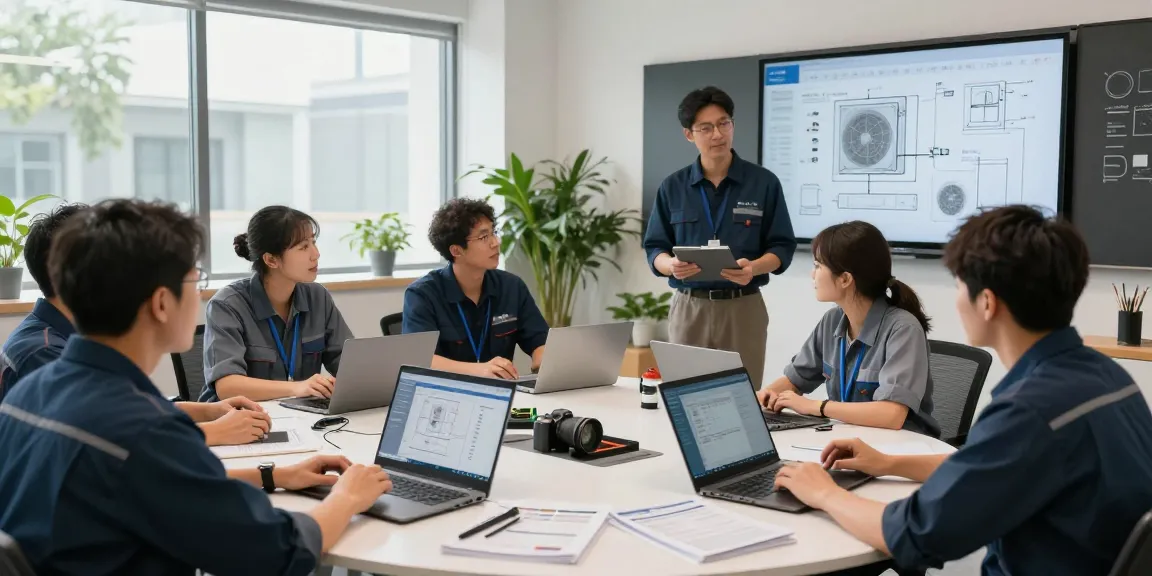
Understanding Commercial HVAC Systems
What is Commercial HVAC?
Commercial HVAC refers to the heating, ventilation, and air conditioning systems specifically designed for larger buildings and commercial spaces. These systems are engineered to manage indoor climates effectively, ensuring optimal environments for both employees and customers in settings such as offices, malls, warehouses, and factories. Unlike residential HVAC systems, which typically cater to single-family homes, commercial hvac systems must accommodate more complex requirements, including higher capacity for cooling and heating, advanced air filtration, and often intricate control mechanisms to adapt to varying occupancy levels.
Key Components of Commercial HVAC
Understanding the components of commercial HVAC systems is essential for effective management. The primary elements include:
- Heating Units: Often powered by gas or electricity, these systems provide warmth during colder months. Common types include boilers and heat pumps.
- Cooling Units: Typically consist of chillers or air conditioning units that maintain a comfortable temperature during warm seasons. These systems may utilize refrigerants to cool air efficiently.
- Ventilation Systems: These ensure proper air exchange within commercial spaces. They include ductwork, exhaust fans, and air intakes to circulate fresh air while filtering out contaminants.
- Controls and Automation: Advanced controls, including thermostats and smart technology, regulate the operation of the HVAC components, ensuring efficient energy use and comfort.
- Distribution Channels: Ducts and airflow mechanisms deliver conditioned air throughout the building, requiring careful design to maximize efficiency and comfort.
Benefits of Efficient Commercial HVAC
Investing in an efficient commercial HVAC system can yield substantial advantages for businesses:
- Cost Savings: Efficient systems reduce energy consumption, translating into lower utility bills over time.
- Enhanced Comfort: Properly maintained systems maintain stable temperatures and air quality, fostering a conducive environment for work and customer interaction.
- Increased Longevity: Regular maintenance and efficient operation can extend the lifespan of HVAC equipment, reducing the capital expenditure for replacement.
- Regulatory Compliance: Many regions have regulations regarding energy efficiency and emissions. Complying with these can help avoid legal issues and enhance a company’s reputation.
Choosing the Right Commercial HVAC System
Factors to Consider Before Purchase
Choosing the appropriate commercial HVAC system hinges on several critical factors:
- Building Size: Understanding the square footage and layout of the commercial space is vital in determining system capacity requirements.
- Climate Zone: Local weather patterns dictate the necessary heating and cooling capabilities. Systems should be tailored to handle peak conditions.
- Energy Efficiency: Evaluating the energy efficiency ratings of units like SEER (Seasonal Energy Efficiency Ratio) for cooling and AFUE (Annual Fuel Utilization Efficiency) for heating systems can inform long-term cost savings.
- Usage Patterns: Recognizing occupancy levels and usage patterns helps ensure adequate heating and cooling when needed without oversizing the system, which can waste energy.
Energy Efficiency Ratings Explained
When assessing energy efficiency, several key ratings come into play:
- SEER: Indicates the efficiency of air conditioners and heat pumps, representing the total cooling output during a typical cooling season divided by the total electric energy input.
- AFUE: Measures the annual efficiency of heating systems, representing the percentage of fuel converted to heat. A higher AFUE indicates a more efficient furnace or boiler.
- EER: The Energy Efficiency Ratio provides a snapshot of an air conditioning unit's efficiency based on its cooling output divided by the electrical input, measured at a specific outdoor temperature.
Residential vs. Commercial HVAC Systems
While both residential and commercial HVAC systems aim to maintain comfortable indoor environments, they differ significantly in design and functionality:
- Capacity: Commercial HVAC systems are designed to handle larger spaces and higher occupant loads, necessitating more advanced technology.
- Complexity: Commercial systems often incorporate a network of controls, boilers, and chillers, while residential systems tend to have simpler setups.
- Installation Procedures: Installation in commercial settings often involves more extensive ductwork and zoning, reflecting the varied needs of larger buildings.
- Regulatory Compliance: Commercial systems must meet stricter guidelines and regulations compared to residential systems.
Installation Process of Commercial HVAC Systems
Preparing for Installation
The installation of a commercial HVAC system requires careful planning:
- Site Assessment: Conduct a thorough evaluation of the building to determine specific needs and existing infrastructure.
- Budget Planning: Establish a budget that accounts for equipment, installation, and future maintenance costs.
- Choosing a System: Select the most suitable HVAC system based on capacity, energy efficiency, and overall building design.
Common Installation Challenges
Several challenges may arise during the installation of commercial HVAC systems, including:
- Space Limitations: Constructing or retrofitting ductwork and equipment in buildings with limited space can pose significant challenges.
- Utility Access: Ensuring that utilities are available and easily accessible for the system can complicate the installation process.
- Integration with Existing Systems: Combining new technologies with older buildings often presents unforeseen complications.
Ensuring Proper Setup and Compliance
To guarantee optimal performance and compliance with regulations, address the following:
- Testing and Balancing: Conduct airflow and pressure tests to ensure the system operates as intended.
- Documentation: Keep detailed records of installation procedures, specifications, and warranties for future reference.
- Training Personnel: Provide training for staff responsible for maintaining and monitoring the HVAC system.
Maintenance Best Practices for Commercial HVAC
Routine Inspection Guidelines
To optimize the lifespan of commercial HVAC systems, establish a routine inspection schedule that includes:
- Filter Replacement: Inspect and replace air filters regularly to maintain air quality and system efficiency.
- Check Refrigerants: Regularly check refrigerant levels to ensure proper cooling performance and prevent leaks.
- Inspect Electrical Connections: Monitor and tighten electrical connections to avoid disruptions in operation.
Signs Your HVAC Needs Repair
Timely detection of issues can prevent severe problems down the line. Common signs that your HVAC system may require repair include:
- Inconsistent Temperature: Sudden fluctuations in temperature can indicate malfunctioning components.
- Unusual Noises: Grinding, squeaking, or banging sounds often signal underlying mechanical issues.
- Rising Energy Bills: An unexplained increase in energy bills could suggest inefficiencies in your system.
Tips for Hiring a Qualified Technician
Selecting the right technician is essential for effective maintenance:
- Check Credentials: Ensure they are licensed and insured to perform HVAC work.
- Seek Reviews: Look for references and online reviews to gauge the technician’s reliability and expertise.
- Discuss Experience: Engage prospective technicians about their experience with commercial HVAC systems similar to yours.
Future Trends in Commercial HVAC Technology
Smart HVAC Solutions
The integration of smart technology in HVAC systems is transforming how commercial buildings manage climate control. Smart sensors and controls optimize energy use, adapt to occupancy patterns, and can even be operated remotely, offering convenience and efficiency at unprecedented levels.
Environmentally Sustainable Practices
There is a growing emphasis on sustainability in the HVAC industry. Energy-efficient alternatives, like heat pumps and solar-powered units, reduce greenhouse gas emissions. Moreover, proper insulation and the use of sustainable materials for installation align HVAC practices with environmental goals.
The Role of IoT in HVAC Management
The Internet of Things (IoT) is significantly impacting HVAC management efficiency. By connecting HVAC systems with IoT devices, businesses can monitor system performance, track energy usage, and receive real-time alerts for maintenance. This data-driven approach allows for proactive management, leading to enhanced performance and efficiency.
Frequently Asked Questions
What is a commercial hvac system?
A commercial hvac system is a specialized setup for heating, ventilation, and air conditioning in commercial buildings, designed for larger spaces.
How often should commercial hvac systems be serviced?
Commercial hvac systems should ideally be serviced twice a year for optimal performance, typically before summer and winter.
What are common signs of hvac system issues?
Common signs include inconsistent temperature, strange noises, and an unexplained rise in energy bills, indicating potential problems.
How can I improve hvac energy efficiency?
Regular maintenance, using programmable thermostats, and sealing ducts can significantly enhance energy efficiency in your hvac system.
What innovations trends are emerging in commercial hvac?
Emerging trends include smart technology integration, improved energy efficiency measures, and sustainability practices focusing on reducing environmental impact.