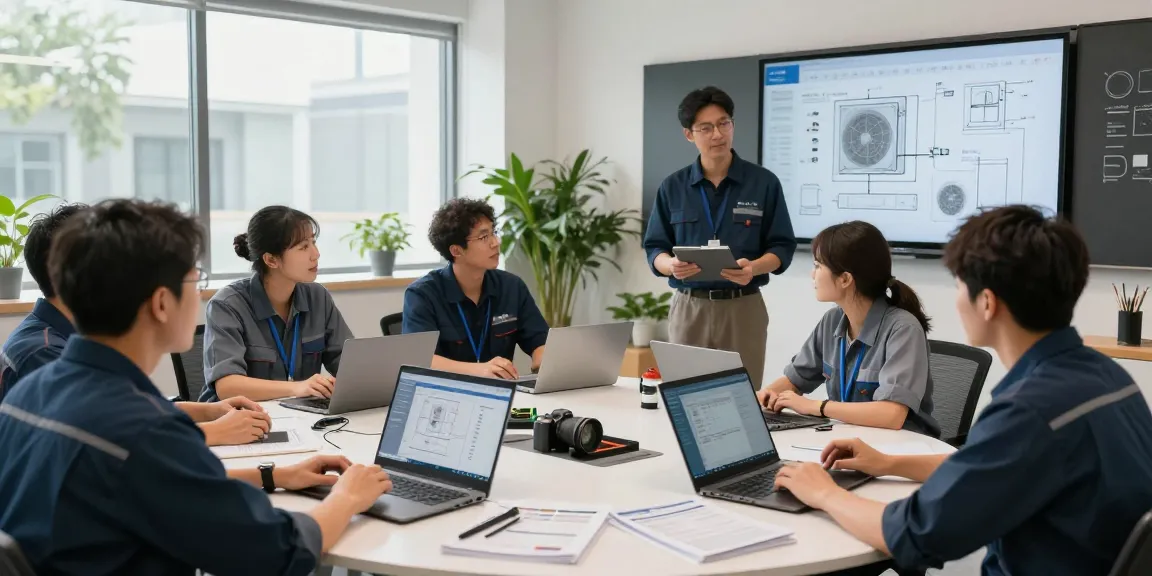
Understanding the Role of a New Jersey General Contractor
As the pivotal figure in any construction project, a New Jersey General Contractor orchestrates various elements to ensure the successful execution of building and renovation tasks. Their involvement typically spans from initial planning stages through to project completion, encapsulating a range of responsibilities that require both managerial skills and technical knowledge.
Key Responsibilities of a General Contractor
The role of a general contractor involves several key responsibilities that are critical for project success:
- Project Planning: Developing a comprehensive understanding of the project scope, timelines, and budgets.
- Resource Management: Coordinating with suppliers, subcontractors, and laborers to source necessary materials and services.
- Contract Negotiation: Engaging with subcontractors and suppliers to negotiate terms that align with project requirements.
- Site Management: Overseeing day-to-day operations at the job site to ensure that timelines are met and safety protocols adhered to.
- Quality Control: Ensuring that the work meets client specifications and relevant building codes.
- Communication: Acting as the primary point of contact for clients, ensuring that they are updated on progress and any issues that arise.
Importance of Licensing and Insurance
Licensing is a crucial aspect of hiring a general contractor in New Jersey. Contractors are required to have specific licenses issued by the state, ensuring they have met all necessary training and regulatory standards.
Moreover, adequate insurance coverage protects both parties. General contractors should carry general liability insurance, workers' compensation, and, in some cases, additional policies that cover specific types of work or projects. This not only secures the contractor but also provides peace of mind to clients against potential accidents or damages during construction.
Factors to Consider When Hiring
Selecting the right general contractor requires careful consideration of several factors:
- Experience: Investigate the contractor’s experience level, particularly with projects similar to yours.
- Reputation: Check online reviews and ask for recommendations to gauge their reliability and quality of work.
- Licensing and Insurance: Ensure they have the necessary licenses and adequate insurance coverage.
- Communication Skills: A contractor who communicates openly and promptly can prevent misunderstandings.
- Bid and Contract Clarity: Review the detailed bid and contract terms to avoid surprises later on.
Evaluating Qualifications of a New Jersey General Contractor
Evaluating a contractor’s qualifications thoroughly can make a significant difference in the success of your project. Here are several strategies to ensure you are hiring the right professional.
Checking References and Reviews
Before making a final decision, always request references from previous clients. Speaking to these clients can provide valuable insights into dealing with the contractor. Pay close attention to:
- Timeliness: Did the contractor complete the project on schedule?
- Quality: How satisfied were clients with the quality of the work?
- Professionalism: Was the contractor respectful, and did they exhibit strong communication skills?
Online reviews can also provide a broader perspective. Websites such as Google Reviews, Yelp, and specialized construction review sites are excellent resources.
Certifications and Affiliations
Certifications indicate that a contractor has undergone additional training and is up-to-date with industry standards. Affiliations with professional organizations can signify commitment to best practices. Some relevant certifications to look for include:
- National Association of Home Builders (NAHB)
- American Society of Professional Estimators (ASPE)
- Associated Builders and Contractors (ABC)
Assessing Portfolio and Project Experience
A contractor’s portfolio showcases their previous work. Reviewing this can help assess their style and quality. Look for variation depending on your needs; if you seek a modern aesthetic, ensure they have experience in that area.
Discussing their past projects will also give insight into how they manage challenges and deliver results. Experienced contractors can share case studies or examples of how they tackled difficult situations effectively.
Understanding Pricing Models for New Jersey General Contractor Services
When planning your project, a clear understanding of how pricing works is vital. Different contractors may adopt various pricing models to suit the nature of the work involved.
Average Costs and Budgeting for Projects
In New Jersey, the average cost of hiring a general contractor can vary widely based on various factors like project size, complexity, and location. Basic renovations can start as low as $20,000, while extensive remodels can exceed $100,000. To establish an accurate budget, consider the following:
- Material Costs: What materials will be used, and how much do they cost?
- Labor Costs: What is the hourly rate of the labor involved?
- Project Complexity: More complex projects may require increased labor and materials.
Hourly Rates vs. Project Cost
General contractors typically charge in one of two ways: an hourly rate or a flat project fee. Understanding these options is crucial to avoid surprise costs:
- Hourly Rates: Generally range from $50 to $150 per hour, depending on experience and project complexity.
- Project Cost: A fixed fee based on the total scope of work can be beneficial as it provides a clear expectation of costs involved.
Hidden Costs and How to Avoid Them
Hidden costs can derail a project's budget. Here are some common hidden expenses to anticipate:
- Unexpected site conditions (e.g., discovering mold or structural issues).
- Permitting costs if not initially included in the contractor's bid.
- Change orders if project plans alter during construction.
To avoid these pitfalls, always communicate openly about any concerns and ensure a detailed contract covers potential additional costs.
Best Practices for Working with a New Jersey General Contractor
Establishing a productive working relationship with your general contractor can facilitate a smoother construction process. Here are some best practices to consider:
Effective Communication Strategies
Open lines of communication are essential to a successful partnership. Consider the following strategies:
- Regular Check-ins: Schedule weekly meetings to discuss project progression on timelines and any arising issues.
- Utilizing Technology: Consider using project management software to track progress in real-time.
- Documenting Everything: Confirm any decisions or changes in writing to avoid misunderstandings.
Setting Clear Expectations and Timelines
Setting detailed and clear expectations regarding deliverables, timelines, and project scopes will help ensure that both parties remain aligned throughout the project. Utilize the following practices:
- Develop a comprehensive contract that clearly outlines deliverables, timelines, and payment schedules.
- Clearly define each party’s role in the project and what is expected from them.
Monitoring Progress and Making Adjustments
Regularly monitoring the project's progress allows for the timely identification of issues. Consider these steps:
- Keep track of daily or weekly progress reports.
- Discuss proactive solutions if adjustments are necessary.
- Stay flexible but maintain the initial vision for the project amidst changes.
Frequently Asked Questions about New Jersey General Contractors
What qualifications should a general contractor have?
A general contractor should hold a valid state license, have experience in relevant project types, and maintain insurance coverage. Additionally, certifications from professional organizations can indicate enhanced knowledge and commitment.
How long does it typically take to complete a project?
The timeframe depends on the project size and complexity. Minor renovations may take a few weeks, while larger projects can last several months. Always discuss timelines during the planning stages with your contractor.
Are general contractors responsible for permits?
Yes, general contractors typically handle obtaining necessary permits unless otherwise specified in the contract. They are familiar with local regulations and ensure all aspects of the project comply with safety codes.
What should I do if my project is delayed?
If a project delays, promptly communicate with your contractor. Understanding the reasons behind the setback is crucial, and together you can establish a revised timeline to minimize inconvenience.
How do I resolve disputes with my contractor?
Begin by discussing the issue directly with your contractor to seek a resolution. If unresolved, refer to your contract's dispute resolution process or consider mediation or arbitration to achieve a fair outcome.