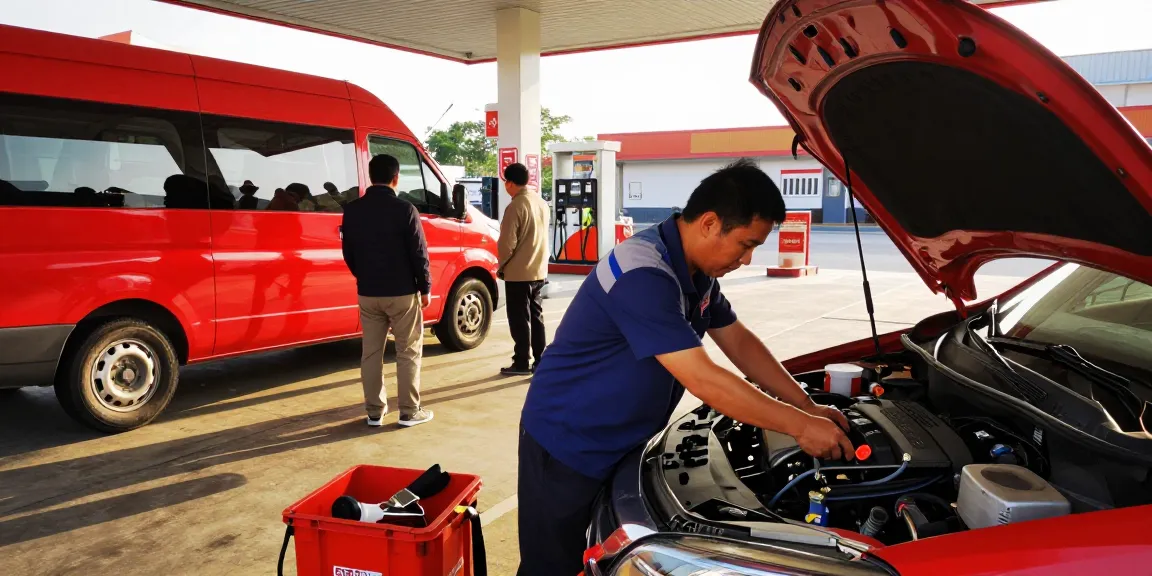
Understanding the Smog Test
What is a Smog Test?
A Smog Test is an emissions inspection designed to measure the level of pollutants emitted by a vehicle's exhaust system. This assessment is crucial in identifying vehicles that may exceed state-regulated environmental standards, contributing to air pollution. During a smog test, various components of the vehicle's emissions system are examined to ensure compliance with regulations set forth to protect the environment and public health.
Why is the Smog Test Important?
The importance of the smog test cannot be overstated as it plays a vital role in maintaining air quality and public health. By ensuring that vehicles meet specific emissions standards, smog tests help minimize the harmful effects of vehicle exhaust on the environment. Additionally, passing a smog test is often a prerequisite for vehicle registration or renewal, making it essential for vehicle owners.
Moreover, smog tests can lead to improved vehicle performance and fuel efficiency. By identifying and rectifying emissions-related issues, vehicle owners can enhance their car's overall operational efficiency, which can result in savings on fuel costs over time.
Common Misconceptions About Smog Testing
There are several misconceptions surrounding smog testing that can lead to confusion among vehicle owners. One prevalent myth is that smog tests are only required for older vehicles. In reality, many states require smog tests for a wide range of vehicle ages, including newer models, particularly those equipped with advanced emissions technology. Another common belief is that passing a smog test guarantees a vehicle is in perfect mechanical condition; however, while a smog test evaluates emissions, it does not assess the overall mechanical reliability of a vehicle.
The Smog Test Process Explained
Steps Involved in a Smog Test
The steps involved in conducting a smog test can vary by location but generally follow a comprehensive process. First, the vehicle is connected to a diagnostic machine that reads data from the onboard computer system. This is followed by a visual inspection of the emissions control components, such as the catalytic converter and exhaust system. Finally, the technician conducts an idle and hard acceleration test to measure exhaust emissions at various engine loads.
What to Expect During the Test
During a smog test, vehicle owners can expect a thorough but quick inspection of their car. The test usually takes about 20 to 30 minutes, depending on the complexity of the vehicle and the specific regulations of the state. Technicians will systematically check the vehicle's emission control components, ensuring they are functioning correctly. Additionally, the technician may provide recommendations or advice on any repairs if the vehicle fails the test.
Post-Test Procedures
After completing the smog test, the technician will inform the vehicle owner of the results. If the vehicle passes, the owner will receive a certificate indicating compliance with state emissions standards, which is needed for vehicle registration or renewal. If the vehicle fails, the owner will receive information on the specific issues detected and recommendations for repairs. It's essential to address any necessary repairs promptly, as failing to do so can result in penalties or inability to register the vehicle.
Preparing Your Vehicle for a Smog Test
Essential Maintenance Tips
Preparation is key to ensuring a successful smog test. Regular vehicle maintenance such as oil changes, air filter replacements, and spark plug checks can significantly improve emissions performance. Keeping the tires properly inflated also contributes to better fuel efficiency and reduced emissions. Additionally, ensure that the check engine light is not illuminated before the test, as this can lead to an automatic failure.
Common Issues That Cause Failed Tests
Several common issues can lead to failed smog tests, including malfunctioning oxygen sensors, defective catalytic converters, and exhaust leaks. Other problems may be related to fuel system issues, such as incorrect fuel type or contamination. Additionally, an improperly maintained engine can cause excessive emissions, making it critical to address any performance issues before testing.
How to Prepare for the Best Results
To achieve the best results, vehicle owners can undertake several proactive steps prior to the smog test. Begin by performing a pre-test diagnostic check using an OBD-II reader to identify any potential codes that may indicate problems. Conduct a thorough inspection of the emissions system and resolve any identified issues. Lastly, ensure the vehicle has been driven for at least 30 minutes before the test to ensure that all systems are warmed up and functioning optimally, as cold engines can produce higher emissions readings.
Cost and Availability of Smog Tests
Average Costs of Smog Testing
The cost of a smog test can vary significantly depending on the state and the facility conducting the test. On average, vehicle owners can expect to pay between $20 to $50 for a basic smog check. Additional fees may apply for retests or if repairs are needed. It's advisable for vehicle owners to inquire about pricing in advance, as some locations may offer package deals or discounts.
Where to Get a Smog Test
Smog tests are typically conducted at licensed emissions testing stations, which may include automotive repair shops or dedicated testing facilities. Vehicle owners can often find locations through online searches or by checking with their local department of motor vehicles. To minimize wait times, it's beneficial to schedule an appointment if possible.
Discounts and Incentives for Smog Testing
Many states offer various discounts and incentives to encourage vehicle owners to comply with smog testing requirements. Programs may include reduced fees for low-income residents, incentives for electric and hybrid vehicle owners, or special pricing during designated inspection periods. It's recommended for vehicle owners to explore available programs in their state to maximize savings.
Frequently Asked Questions about Smog Tests
How often do I need a Smog Test?
The frequency of smog tests varies by state regulations. Most states require smog tests every 2 years, particularly for vehicles over a specific age.
What happens if my car fails the Smog Test?
If your car fails the smog test, you'll receive a report detailing the issues. You will need to get necessary repairs done before retesting.
Can I perform a Smog Test myself?
While you can assess some factors, an official smog test must be performed by a licensed professional to ensure compliance with state regulations.
What types of vehicles need a Smog Test?
Generally, most gasoline-powered cars and some diesel vehicles require a smog test. However, regulations differ by state, which may exclude certain newer models.
Are Smog Tests required in all states?
No, not all states have smog test requirements. Some states have eliminated mandatory testing, particularly where emissions are less of a concern.