Understanding Crawl Space Restoration
Overview of Crawl Space Issues
Crawl spaces may often be out of sight, but they can lead to significant issues for homeowners if not properly maintained. These often neglected spaces can develop a host of problems, such as moisture accumulation, pest infestations, and even structural damage. Often found in homes where a traditional foundation isn’t feasible, crawl spaces play a crucial role in a home’s overall health. Understanding the typical issues that can arise in these areas is the first step towards effective Crawl Space Restoration.
Importance of Crawl Space Restoration
Crawl space restoration is essential not only for aesthetics but for health, safety, and longevity. A well-maintained crawl space can prevent mold growth and contribute to better indoor air quality by reducing humidity and allergens in the home. Moreover, ignoring crawl space problems can lead to higher repair costs later on. Restoration provides peace of mind, enhances energy efficiency, and can even increase property value.
Common Problems Addressed
Among the most common crawl space issues are moisture problems, which can lead to wood rot and mold. Additionally, pest infestations from rodents and insects can exacerbate damage and compromise health. Structural damage, often due to settling or insufficient support, poses a danger to the home’s integrity. Addressing these problems promptly is key to ensuring a safe and healthy living environment.
Assessing Your Crawl Space Condition
Signs Your Crawl Space Needs Restoration
Identifying when your crawl space needs attention is crucial. Look for signs such as musty odors, visible mold or mildew, insect infestation, and sagging floors above. Additionally, inspect for water pooling or wet spots, which are clear indicators of moisture problems. If you notice condensation on walls or ductwork, it's time to assess your crawl space condition.
Methods for Inspecting Crawl Spaces
Regular inspections should be part of any homeowner's maintenance routine. Begin by visually inspecting the crawl space during clean-outs and after severe weather. Use a flashlight to look for signs of damage, moisture, or pests. If possible, use a moisture meter to check humidity levels directly. Engaging a professional inspector can also yield valuable insights into more profound issues not visible to the untrained eye.
Tools for a Thorough Assessment
Equipping yourself with the right tools can facilitate an effective crawl space assessment. Essential tools include a flashlight, a moisture meter, and a measuring tape. An inspection mirror can help spot hard-to-see areas, while a home inspection camera can capture detailed images of the crawl space's condition. Consider also using a digital humidity gauge to monitor moisture levels effectively.
Steps for Crawl Space Restoration
Preparation and Safety Measures
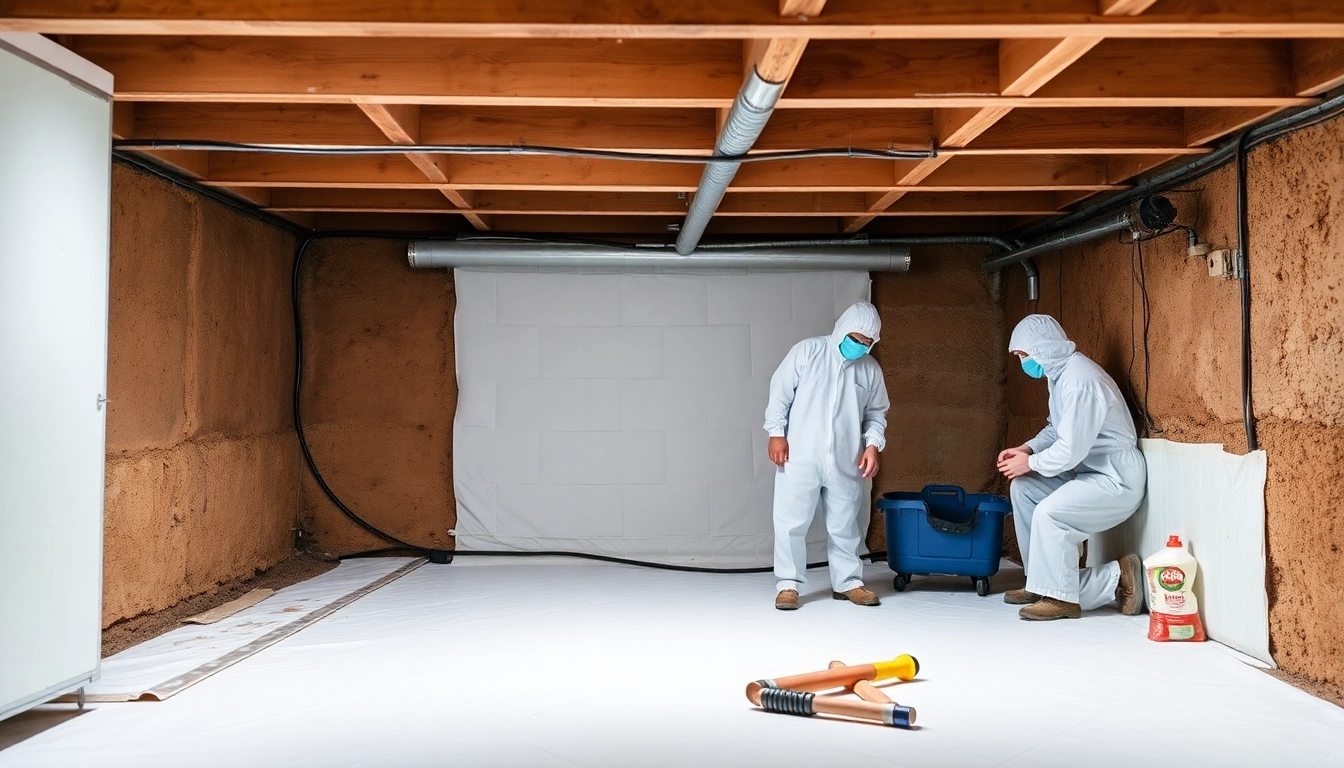
Before commencing crawl space restoration, it's vital to prioritize safety. Wear appropriate gear, including gloves, masks, and protective eyewear. Ensure proper ventilation; if crowded, consider using a fan. Mark any areas of concern and proceed carefully, considering the potential for mold spores or structural weaknesses. A thorough preparation reduces the chances of accidents during the restoration process.
Repairing Structural Damage
Begin structural repairs by reinforcing any compromised areas. This might involve replacing damaged beams or adding additional support posts. In some cases, it may be necessary to consult a structural engineer, especially in older homes where settling has caused significant shifts. Thoroughly inspect all wooden structures for rot; replace any compromised lumber to ensure the home’s integrity is maintained.
Installing Proper Moisture Control
Moisture control is integral for any successful crawl space restoration. Consider installing a vapor barrier on the ground and foundation walls to prevent moisture from seeping in. Also, ensure adequate drainage outside the home to divert water away from the foundation. Dehumidifiers can further seal the deal by reducing humidity levels inside the crawl space, making a significant difference in maintaining a dry environment.
Best Practices for Maintenance
Regular Inspection Recommendations
To preemptively tackle crawl space issues, set a routine inspection schedule, ideally twice a year. Inspections should include looking for leaks in plumbing, signs of pests, and moisture levels. Consistent monitoring helps catch small issues before they escalate into larger, more costly repairs.
Moisture Prevention Techniques
Aside from initial moisture control measures, consistent maintenance techniques are essential. Ensure gutters are clear and downspouts direct water away from the foundation. Landscape grading should be evaluated to guarantee proper drainage. Encourage airflow by keeping vents unobstructed, and when appropriate, install fans to improve circulation within the crawl space.
Professional vs. DIY Restoration
Homeowners often face the decision of whether to tackle crawl space restoration as a DIY project or hire professionals. While taking a DIY approach can save money, it requires a good understanding of the complexities involved. Professionals bring expertise and advanced tools, reducing potential risks associated with structural damage or mold exposure. Evaluate your comfort level and the severity of the issues at hand when making this decision.
FAQs About Crawl Space Restoration
What is Crawl Space Restoration?
Crawl space restoration involves repairing and rehabilitating the crawl space of a home to address various issues like moisture, pests, and structural damage, ensuring a safe and healthy environment.
How long does the restoration process take?
The duration of crawl space restoration varies based on the extent of the damage. Minor repairs may take a few days, while extensive restoration could take several weeks if significant structural work is needed.
Can I restore my crawl space myself?
Yes, many homeowners can perform basic restoration tasks, but it requires knowledge of the required repairs and safety measures. For extensive issues, hiring professionals is advisable.
What are the signs of moisture in a crawl space?
Signs of moisture include visible water pooling, damp or musty odors, condensation on walls or pipes, and mold growth on the surfaces. Regular inspections can help identify these issues.
How often should I inspect my crawl space?
It's recommended to inspect your crawl space at least twice a year, ideally in the spring and fall, and after heavy rainfall or severe weather events to ensure its condition remains optimal.