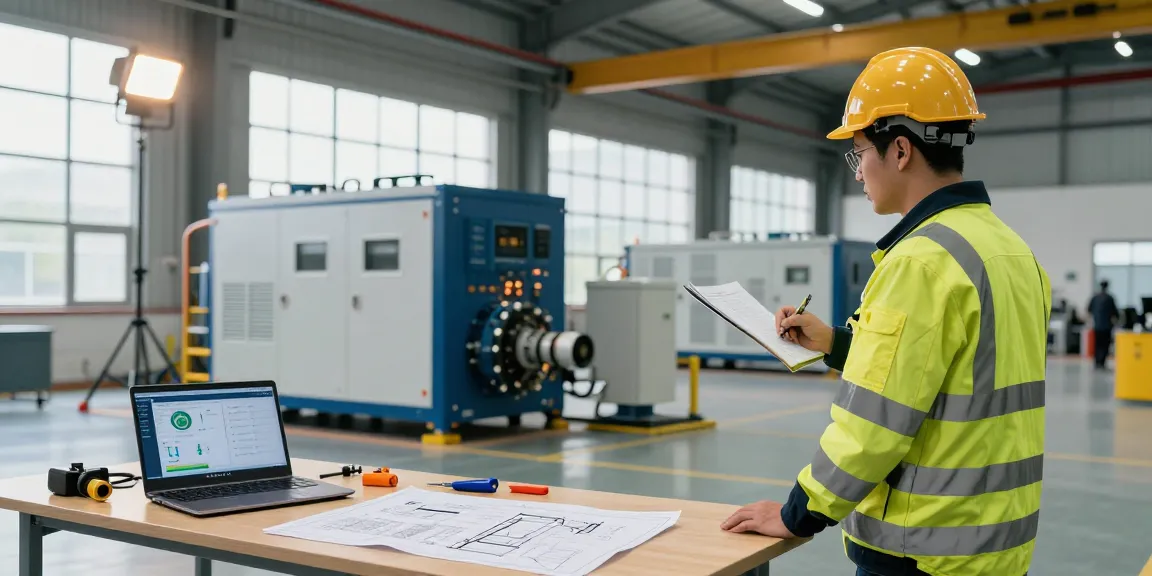
Understanding Hydraulic Hose Repair
Hydraulic systems play a crucial role across various industries, from construction to agriculture and manufacturing. Central to their functionality are hydraulic hoses, which facilitate the transfer of hydraulic fluid. Over time, these hoses may face wear and tear, leading to the necessity for hydraulic hose repair. Understanding the intricacies of this repair process can save time, reduce costs, and ensure safety in operations.
What is Hydraulic Hose Repair?
Hydraulic hose repair involves the procedure of diagnosing and fixing issues within hydraulic hoses to restore their functionality. This may include troubleshooting leaks, replacing damaged sections, or entirely replacing hoses when necessary. Effective repairs maintain system integrity, ensuring the machinery operates at optimal efficiency.
Common Hydraulic Hose Problems
Several issues can arise with hydraulic hoses, including:
- Leaks: Often caused by wear, cuts, or fittings that are not tight enough.
- Hose Swelling: Indication of internal damage or excess pressure.
- Cracking: Usually due to exposure to harsh environments or aging.
- Loose Connections: Can lead to operational failure and potential accidents.
Importance of Timely Repairs
Addressing hydraulic hose issues promptly is essential for several reasons. Delaying repairs can exacerbate problems, leading to more expensive fixes and potential downtime. Furthermore, failing to repair hoses can pose safety risks, as leaks or bursts may cause workplace accidents. Regular maintenance and timely intervention are critical for maintaining operational efficiency and safety standards.
Tools and Materials Needed for Hydraulic Hose Repair
Essential Tools for Repairs
Having the right tools on hand is crucial for effective hydraulic hose repair. Essential tools include:
- Hose Cutting Tools: Ensure clean cuts to prevent leaks.
- Crimping Tools: Useful for securing fittings onto hoses.
- Socket Sets: Needed for loosening and tightening fittings.
- Wrenches: Required to adjust and secure connections.
Types of Hydraulic Hoses Used
Various hydraulic hoses are utilized across applications, each designed to handle specific pressures and conditions. Common types include:
- R1 and R2 Hoses: Suitable for low-pressure applications.
- Sae100r1 and Sae100r2: High-pressure hoses suitable for automotive and industrial use.
- Thermoplastic Hoses: Known for their lightweight and flexibility, ideal for various environments.
- Metal Hoses: Used for extreme temperature and pressure situations.
Materials Required for Effective Repairs
Aside from tools, having the correct materials is vital for successful hydraulic hose repairs. Key materials include:
- Replacement Hoses: Ensure compatibility with existing systems.
- Fittings and Adapters: Necessary for proper connections.
- O-rings and Seals: Prevent leaks at junctions.
- Hydraulic Fluids: Replenishing fluids after repairs is crucial for system performance.
Step-by-Step Hydraulic Hose Repair Process
Preparing for the Repair
Before initiating repairs, preparation is essential. Follow these steps:
- Safety First: Ensure all safety gear is worn, including gloves and goggles.
- Gather Tools and Materials: Collect all necessary tools and components for the repair process.
- Identify the Problem: Perform a thorough inspection to pinpoint the exact issue.
- Depressurize the System: Always ensure the hydraulic system is depressurized before commencing repairs.
Executing the Repair
With preparation completed, carry out the following steps:
- Remove the Damaged Hose: Use appropriate tools to detach the faulty hose from the system.
- Install the New Hose: Measure and cut the replacement hose, ensuring it matches specifications. Secure fittings adequately.
- Crimp Fittings: Utilize crimping tools to ensure a tight fit and prevent future leaks.
- Reconnect the Hose: Ensure all connections are secure and contaminant-free.
Post-Repair Inspection and Testing
After repairs are completed, follow these steps:
- Inspect for Leaks: Conduct visual inspections and use leak detection methods to confirm no leaks.
- Repressurize the System: Gradually reintroduce pressure to the system while monitoring for any irregularities.
- Functional Testing: Operate the hydraulic system to ensure all components are functioning correctly.
- Final Inspection: Conduct a thorough inspection of the entire system post-testing to ensure integrity.
Preventative Maintenance for Hydraulic Systems
Regular Inspection Practices
To prolong the life of hydraulic hoses and prevent premature failures, implement routine inspections. Schedule periodic checks to examine hoses for wear, leaks, and damage. Regular monitoring ensures that minor issues are identified early, mitigating larger problems before they occur.
Signs of Wear to Watch For
Vigilance for signs of wear can save significant resources. Common indicators include:
- Cracking or fraying on the hose exterior.
- Visible leaks or wetness around fittings.
- Abnormal swelling or expansion of the hose.
- Loud noises during operation that may indicate internal failure.
Best Practices to Extend Hose Longevity
Implementing best practices can significantly extend the service life of hydraulic hoses:
- Avoid Sharp Bends: Ensure hoses follow gentle curves to prevent stress points.
- Maintain Fluid Levels: Ensure hydraulic fluid is at appropriate levels to avoid overheating and pressure issues.
- Protect from Environmental Factors: Shield hoses from extreme temperatures and harsh chemicals.
- Proper Storage: Store hoses properly when not in use to prevent kinks and damage.
FAQs About Hydraulic Hose Repair
What are the signs that a hydraulic hose needs repair?
Common signs include visible leaks, cracks, hose swelling, or abnormal noises during operation. Regular inspection can help detect these issues early.
Can I repair a hydraulic hose myself?
Yes, with the right tools and knowledge, you can perform basic repairs. However, understanding safety protocols is crucial to avoid hazards.
How long does a hydraulic hose repair take?
The time required varies based on damage severity, but minor repairs typically take one to two hours, while more complex repairs may take longer.
What is the average cost of hydraulic hose repair?
Costs can vary widely based on the location and severity of damage, ranging from $50 to several hundred dollars. Consult local providers for accurate estimates.
When should I replace my hydraulic hoses instead of repairing them?
Consider replacement for hoses with extensive damage, multiple leaks, or if they are near the end of their expected lifespan. Always prioritize safety and system integrity.